
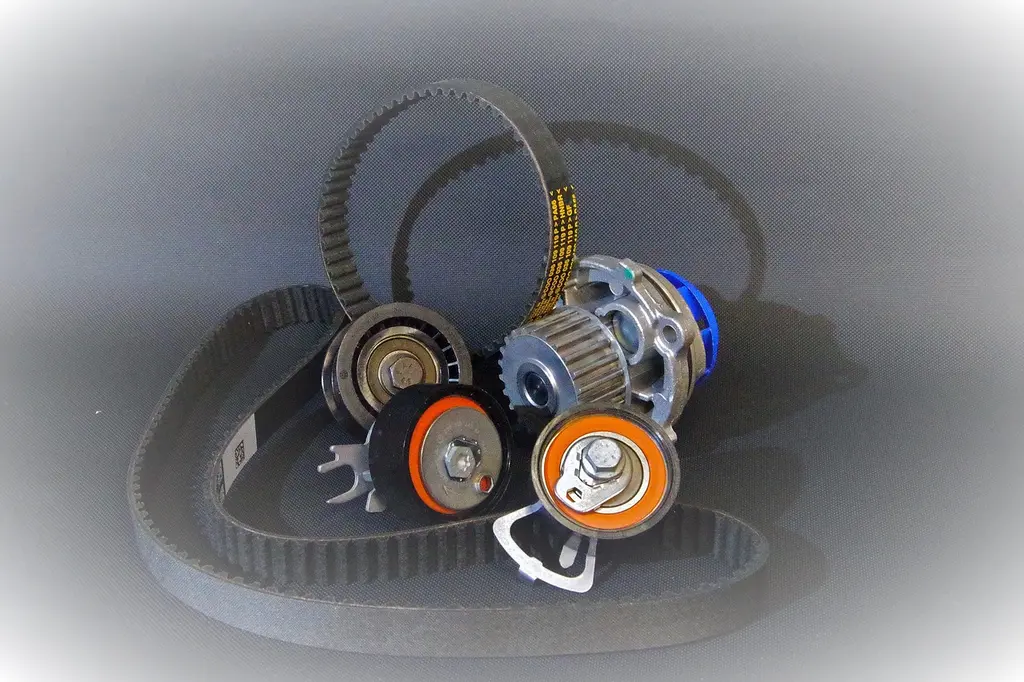
Replace a timing belt at the manufacturer-recommended interval; a timing chain usually gets inspected or diagnosed only when it gets noisy, stretches, or loses oil-pressure support. Ignore either one, and you can end up with bent valves, damaged pistons, or a repair bill far above routine service. This guide shows how mileage, age, symptoms, and service records point to replacement, monitoring, or further testing.
| Decision factor | When to replace a timing belt | Timing chain | Winner |
|---|---|---|---|
| Normal service rule | Replace on a set mileage or age schedule. Many manuals list 60,000 to 100,000 miles. | Monitor rather than replace on a fixed interval unless symptoms or wear appear. | When to replace a timing belt |
| Noise and symptoms | Quiet until wear shows up; symptoms can include ticking, squealing, knocking, vibration, and trouble starting. | Startup rattle, slack, misfires, and check engine light issues often point to wear in the chain system. | Timing chain |
| Maintenance burden | Needs scheduled replacement even if it still looks fine. | Usually lasts longer, but still needs oil changes and inspection of guides and tensioner. | Timing chain |
| Repair cost risk | Cost is lower than a failed belt repair, but labor is a major part of the job and the water pump is often replaced too. | Replacement is usually more expensive because labor is more complex and guide or tensioner work is common. | When to replace a timing belt |
| Failure consequence | On an interference engine, a broken belt can bend valves and cause severe engine damage. | Chain failure can also upset valve timing and damage an interference engine. | tie |
How belt and chain service intervals differ
Both systems keep the camshaft and crankshaft in exact sync so valves open and close on time. The belt is typically reinforced rubber and runs dry outside the oil system; the chain is metal and rides in engine oil. That difference drives the service rule: belts are scheduled replacements, while chains are diagnosed when wear shows up.
How each system affects service timing
A timing belt runs quietly, but quiet does not mean permanent. Manufacturer maintenance schedules usually set a replacement interval, and that interval matters more than how the belt looks from the outside.
A timing chain can last much longer, often 150,000 miles or more, but it is not maintenance-free. Oil quality, oil level, tensioner wear, and guide wear all affect how long it stays quiet and correctly timed.
How do you tell which one you have?
The owner’s manual is the best starting point because it usually lists the timing belt replacement interval and identifies whether the engine uses a belt or a chain. If the manual has no fixed chain interval, that is normal. Confirm the system type before you order parts or book service.
Use the owner’s manual first
Look under the maintenance schedule and engine specification pages. Many manuals name the belt interval directly, and that is the clearest sign that the engine uses a belt system rather than a chain system.
Check records and visual clues
Service records often show a timing belt kit, water pump, tensioner, or idler pulley replacement. Those parts are commonly replaced together because tensioner and idler wear affects belt life. If the records mention chain guides, tensioner, or a startup-rattle diagnosis, that points the other way.
- Open the owner’s manual. Find the maintenance chart and the engine section. The manual is the best source for the replacement interval and often the quickest way to confirm belt versus chain.
- Check the service records. Look for timing belt, water pump, tensioner, or idler pulley line items. For chains, look for oil-service history, chain tensioner work, guide replacement, or engine-noise complaints.
- Listen at startup. A short rattle right after startup is a warning sign for a worn chain system. A belt system is more likely to show scheduled age or mileage concerns than startup rattle.
- Book inspection if unsure. If the records are missing and the engine family is unknown, do not guess from a brief glance alone. Confirm the system before the belt interval passes or before chain noise gets worse.
When should a timing belt be replaced?
A timing belt should be replaced on the manufacturer’s schedule, not when it finally starts to look worn. Mileage and age both matter, and the owner’s manual is the final word. If the interval has passed, or if the service history is missing, the safest move is replacement rather than waiting for visible damage.
OEM schedule first, not appearance
Belts can age even when they still look intact. That is why manufacturer maintenance schedules are the deciding factor. If the manual uses both mileage and time, the belt is due when either limit is reached.
What counts as overdue
Any belt that is past its listed interval, or whose replacement date cannot be confirmed, should be treated as overdue. On an interference engine, that is not a cosmetic issue; it is a failure-risk issue.
For a belt, the decision is time-based as much as mileage-based. The common range around 60,000 to 100,000 miles only helps if the manual agrees and the belt has a known service date.
Say your sedan has 92,000 miles and the records stop six years ago. If the manual calls for replacement at 90,000 miles, the answer is simple: replace the belt now, even if the engine still sounds normal.
When should a timing chain be replaced?
A timing chain usually gets inspected, not replaced automatically. Replace or repair it when it rattles on startup, stretches enough to affect camshaft and crankshaft sync, or shows guide or tensioner wear that creates slack. A chain often lasts 150,000 miles or more, but it is still a wear item.
Symptoms that point to a chain problem
A rattling noise from the front of the engine is a classic chain warning sign. If that noise appears at startup, or if it comes with misfires or a check engine light, the chain system should be checked for worn guides, a weak tensioner, or stretched links.
Why oil history matters
Chains depend on clean engine oil, so missed oil changes matter. Poor oil service can shorten guide and tensioner life even when the chain itself is still intact. In other words, the diagnosis starts with oil history, then moves to noise and fault codes.
- Check the oil history. Chains depend on clean engine oil, so missed oil changes matter. Poor oil service can shorten guide and tensioner life even when the chain itself is still intact.
- Note the noise pattern. A brief startup rattle is more concerning than steady road noise from elsewhere in the car. A chain that quiets quickly may still need inspection if the sound repeats.
- Scan for related symptoms. Misfires, rough idle, and a check engine light can point to timing that is no longer precise. Those symptoms deserve near-term diagnosis, not delay.
- Inspect before replacing. Chain jobs are complex and expensive, so confirm tensioner, guide, and stretch issues before authorizing parts. That avoids replacing a chain system that only needed a tensioner or guide kit.
Interference engines and failure risk
In an interference engine, pistons and valves can occupy the same space at different times. If timing is lost, they can collide. That is why a broken belt or failed chain is more dangerous on these engines, and why symptoms need faster action than on a non-interference design.
Why broken timing can bend valves
The camshaft and crankshaft must stay in sync so valve timing matches piston position. If a belt snaps or a chain jumps teeth, the valve train can fall out of phase fast enough to cause bent valves, damaged pistons, or both.
Which symptoms mean stop driving now?
Stop driving and arrange service immediately if the engine stalls after a timing noise, cranks without starting after a sudden rattle or snap, or loses power with harsh misfiring. Those are not “watch it for a week” symptoms on an interference engine.
A common first-time mistake is to hear a brief startup rattle and assume the car can wait until the next oil change. If the rattle repeats, the check engine light appears, or idle quality gets rough, the safe move is diagnosis now.
How do you decide between belt replacement and chain diagnosis?
Choose When to replace a timing belt if the manual gives a set interval, the car is at or near that mileage or age, or the service record is missing and the belt age is unknown. Choose Timing chain if the engine has no fixed chain interval but does show startup rattle, misfires, or signs of tensioner or guide wear.
What to do when the history is unknown
Used cars with incomplete records need a different approach. A belt with no proof of replacement is a schedule problem, so the safest action is to replace it. A chain with unknown history is a diagnosis problem, so the first step is inspection, oil-history review, and symptom checking.
Short cost-risk guide for used cars
For a belt, the cost risk is delay: a routine service is cheaper than a failure. For a chain, the cost risk is guessing: chain repairs can be expensive, so you want confirmation before opening the engine. In both cases, the service record matters more than a quick visual guess.
What does timing replacement cost?
Belt service usually costs less than chain replacement, but the total still depends on labor. Belt jobs often include the water pump and tensioners, so the bill is not only the belt itself. Chain jobs can cost more because the labor is more complex and guide or tensioner work is often part of the repair.
Belt kit, water pump, tensioner, and labor
A timing belt service can cost between $500 and $1,000 on average before failure. Waiting until the belt breaks can cost upward of $2,000 or more. The price difference is why scheduled replacement matters so much on belt-driven engines. (Thedrive)
The line items usually include the belt, tensioner, idler pulley, and sometimes the water pump. Labor is the major cost driver because the front of the engine often has to be opened far enough to reach the timing components.
Why chain jobs can cost more
Timing chain replacement cost is usually higher than belt replacement due to labor complexity. Many chain repairs include guides, tensioners, seals, and diagnosis time, especially when the engine has a startup rattle but the root cause is not yet confirmed.
If a used car has unknown records, the cost decision should be based on symptoms plus proof of maintenance. A quiet chain with documented oil changes is usually an inspection item, while a belt with no history and a known interval is a replacement item.
Verdict: When to replace a timing belt or timing chain?
Choose When to replace a timing belt if the manual gives a set mileage or age interval, the car is at or near that mileage, or the service record is missing and the belt’s replacement date cannot be confirmed.
Choose timing chain if the engine has no fixed chain interval but does show startup rattle, misfires, a check engine light, or signs of tensioner or guide wear that create slack.


Frequently asked questions
Replacing timing belt vs timing chain
Replace a timing belt on schedule, based on mileage or age from the owner’s manual. Replace a timing chain only after diagnosis shows stretch, noisy startup, guide wear, or tensioner problems. The belt is a scheduled maintenance item; the chain is usually a wear-and-inspection item.
Is a timing chain or timing belt better?
Neither is universally better. A belt is quieter and has a clear replacement interval. A chain usually lasts longer, but it still depends on oil quality, tensioner condition, and guide wear. The better choice is the one matched to the engine design and maintained on schedule.
Timing belt vs timing chain: a timing belt is reinforced
A timing belt is reinforced rubber and runs outside the oil system. A timing chain is metal and lubricated by engine oil. Belts usually need scheduled replacement, while chains usually get inspected when noise or wear appears. Both keep the camshaft and crankshaft synchronized.
Timing belt vs timing chain cost
Belt service is usually the cheaper planned repair, especially before failure. A timing belt job often includes the water pump, tensioner, and idler pulley, and labor is a big part of the price. Chain repairs often cost more because diagnosis and labor are more involved.
Do timing chains last longer than timing belts?
Usually, yes. That does not mean a chain never needs service, only that its service trigger is usually wear, not a fixed date.
Can you replace a timing belt with a timing chain?
No. The engine was designed for one system or the other, including the covers, sprockets, guides, tensioning hardware, and related space inside the engine. Converting a belt engine to a chain, or the reverse, is not a normal service job.
How do I know if my car has a timing belt or timing chain?
Check the owner’s manual first. It usually identifies the timing system and lists the belt interval if the engine uses a belt. Service records can also help: a timing belt kit, water pump, and tensioner point to a belt system, while chain guide or tensioner work points to a chain system.

Hi, I’m Melvin, an automobile engineer with extensive experience in automobile equipment. I currently work for a local automobile firm, where I specialize in the car parts industry. I’ve had the opportunity to collaborate with seasoned inspectors, gaining invaluable hands-on experience that goes beyond just theory.
My passion for automotive care started at a young age, which led me to create CarSpareCare. Through CarSpareCare, I share the knowledge and skills I’ve acquired over the years to help others navigate the world of car maintenance and repairs.
My goal is to provide practical tutorials, essential safety advice, and the latest industry insights so that anyone—whether a beginner or an expert—can confidently tackle their automotive projects.

