

A timing chain may be bad if rattling lasts about 1 to 2 seconds after startup, returns when warm, or comes with misfires, rough running, or a check-engine light. In practice, those patterns vary by engine design, oil condition, and how the tensioner is fed. Ignore them, and you risk skipped timing, bent valves, and engine damage. This guide explains which noises are normal, which symptoms point to the chain, tensioner, or cams, and what to do next.
Timing chain symptom matrix

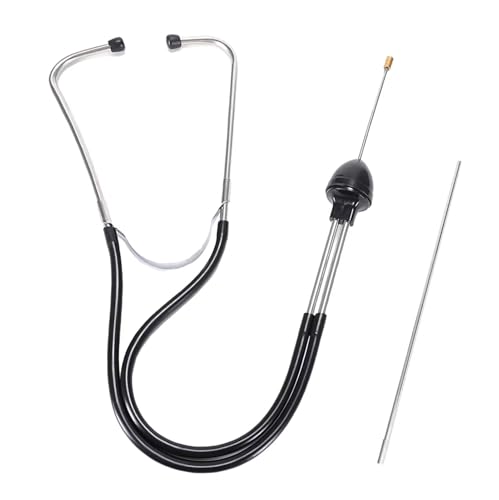
Use this table to sort the first clues. It separates brief cold-start noise from signs that usually call for inspection, and it marks the cases where you should stop driving instead of waiting for the noise to grow louder.
| Symptom pattern | Severity | Safe to drive? | Most likely cause | Recommended action | Likely confirmatory checks |
|---|---|---|---|---|---|
| Cold-start rattle for 2 to 10 seconds, then it quiets down | Moderate | ⚠️ Usually short trip only, then inspect soon | Worn tensioner or slower oil-pressure build, with chain slack possible | Book inspection soon. Check oil level, oil age, and the service history. | Oil level and condition, cold-start repeatability, timing-cover noise location, scan for pending codes |
| Persistent idle ticking or rattling when warm | High | ⚠️ Use only if necessary; get it checked promptly | Timing chain stretch, guide wear, or a tensioner that is not holding pressure | Inspect promptly. Do not assume it is a normal startup rattle. | Warm-idle observation, oil pressure behavior, visual inspection after cover removal, related timing codes |
| Misfire plus cam/crank correlation code | Critical | ⛔ Do not drive | Timing drift, damaged guides, or a sensor fault that needs context | Do not drive. Scan codes, then arrange diagnosis and towing if the engine runs poorly. | OBD-II scan, freeze-frame data, cam and crank sensor signals, timing alignment checks |
| Hard starting after sitting overnight | Moderate to high | ⚠️ Avoid repeated starts until checked | Chain slack, weak tensioner control, or timing that is no longer landing cleanly | Have it checked before more starts stress the starter and catalyst. | Cold-soak restart test, battery and starter health, oil pressure behavior, pending codes |
| Loss of power, hesitation, rough idle | High | ⚠️ If it is worsening, limit driving | Timing error, camshaft control issue, or a related sensor problem | Scan the engine computer and schedule a professional inspection. | Road-test symptoms, correlation codes, live data, camshaft control system checks |
| Metal in oil or on the drain plug | Critical | ⛔ Do not drive | Guide failure, chain wear, or internal engine damage | Do not drive. Shut it down and arrange inspection immediately. | Oil filter and drain-plug inspection, internal timing inspection, debris source confirmation |
What a timing chain does
A timing chain keeps the crankshaft and camshaft moving in sync. It links the two shafts so the valves open and close at the right time, and it runs in engine oil, which lubricates the chain and helps the tensioner keep it tight. Compared with a timing belt, it usually lasts longer, but it can still stretch, wear, or run noisy.
That matters because chain wear often starts quietly. The first clue may be a brief rattle at startup, then rough idle, hesitation, hard starting, or timing-related codes later on. If the engine is an interference engine, a timing slip can let pistons and valves collide.
The tensioner and guides are part of the same system. The tensioner depends on oil pressure, so low oil level, dirty oil, or long oil-change intervals can make slack noise worse. Guides can wear or break, and the plastic pieces can take more damage if the chain begins to slap them.
Is cold-start rattle a bad sign?
A brief cold-start rattle is the most common early warning sign, but it is not automatic proof that the chain is bad. A worn tensioner can create a metallic rattle that fades after warm-up, and some engines will quiet down after a short oil-pressure build period. A longer or louder rattle deserves attention.
The pattern matters. A one-time clatter after an overnight sit is different from a rattle that returns every morning, lasts more than 1–2 seconds, or comes back when the engine is warm. The second pattern points more strongly to chain slack, tensioner wear, or guide damage.
Suppose a 2.0-liter engine rattles for about 4 seconds on a cold morning, then goes quiet. That points more toward a tensioner or oil-pressure delay than a fully failed chain. If the same engine rattles again after a warm restart, the risk level moves up.
What worn tensioners and guides sound like
Worn tensioners often sound like a light metallic chatter right after startup. Guides can add a sharper plastic-to-metal rattle or ticking, especially when the engine idles low. Chain stretch usually sounds less like a single click and more like a loose, repeated clatter that does not settle cleanly.
Do not use sound alone to blame the camshaft. Camshaft faults can exist, but timing-chain noise is usually heard from the front or rear timing cover area and often changes with oil pressure, temperature, and engine speed.
How to tell if timing chain is bad while driving
While driving, a bad timing chain can show up as rough idle, hesitation, loss of power, hard starting, or a misfire that may worsen over time. These symptoms matter more when they develop together, especially if the check-engine light is on and the engine feels weak during acceleration.
Noise under load is less useful than the way the engine runs. A chain issue can upset valve timing enough to cause sluggish response or a stumble at part throttle. If the problem is paired with correlation codes, the diagnosis becomes more serious.
Picture a car that starts cleanly, then hesitates pulling away from a stop and idles unevenly at 700 rpm. If the scan tool shows a cam/crank correlation fault, that combination is more consistent with a timing issue than with a random misfire from spark plugs alone.
Signs that point beyond normal wear
- Rough idle that does not clear after warm-up.
- Hesitation during acceleration, especially at low speed.
- Loss of power that develops gradually instead of all at once.
- Hard starting after sitting overnight.
- Misfire plus a timing-related code.
How to check if a timing chain is bad
A timing chain check starts with the simplest clues: repeatable noise, oil condition, and scan data. If the rattle appears on cold start, returns warm, or lines up with misfire and correlation codes, the chain, tensioner, and guides deserve inspection as a system rather than as isolated parts.
Checklist for how to check if a timing chain is bad
Check oil level first. Make sure the oil is at the correct mark on the dipstick and that it is not badly sludged or fuel-diluted. Low or degraded oil can delay tensioner pressure and mimic a failing chain.
Listen on cold start. Start the engine after an overnight sit and note whether the rattle lasts under three seconds or keeps going. A short fade points more toward tensioner bleed-down; a longer noise points to deeper wear.
Watch the warm restart. Shut the engine off, wait a few minutes, and restart it. If the noise returns warm, the issue is less likely to be a harmless first-start delay.
Scan for timing codes. Use an OBD-II scan tool to read pending and stored codes, then look at freeze-frame data. Correlation faults make it more likely that the timing system needs inspection, not just an oil top-up.
Listen for where the sound comes from. Chain noise usually tracks the timing cover area. A noise that changes with engine speed, temperature, and oil pressure is more suspicious than a random tick elsewhere in the bay.
A common first-timer mistake is to hear one brief rattle and assume the chain is finished. If the sound is only a couple of seconds, never returns warm, and the engine runs cleanly, the better next move is to check oil history and book an inspection rather than panic.
What an OBD-II scan can tell you
An OBD-II scan tool can read timing-related trouble codes, show freeze-frame data, and help separate a chain problem from a sensor fault. That matters because camshaft position sensor and crankshaft position sensor data are part of correlation diagnosis, but the code alone does not name the failed part.
When cam/crank correlation codes appear, check whether the engine also misfires, idles rough, or hesitates. A camshaft position sensor can fail, and a crankshaft position sensor can fail too, but timing faults can trigger correlation codes because the engine computer no longer sees the expected relationship between those signals.
Look at the code pattern, not just the number. A single sensor code with a smooth-running engine may point to wiring, sensor, or connector issues. Multiple correlation faults, a rough idle, and startup noise make timing wear more likely.
How to use the scan data
Read all stored codes. Record current, pending, and permanent codes before clearing anything. The full set gives better context than a single active light.
Save freeze-frame data. Note coolant temperature, rpm, load, and speed when the fault set. That snapshot shows whether the problem appears cold, hot, idle, or under load.
Compare related sensors. Review camshaft and crankshaft position sensor data for a mismatch or missing signal. Correlation faults often need wiring, sensor, and mechanical checks together.
Do not clear early. Clearing codes before diagnosis can erase the clue that separates a tensioner problem from a sensor fault. Keep the data until the inspection is done.
What happens if the chain fails
If a timing chain fails badly, the engine can lose valve timing immediately. In an interference engine, that can let pistons and valves collide. The result can be bent valves, damaged guides, broken timing parts, and in severe cases major internal engine damage.
Stop driving if a loud continuous rattle is present, metal is found in the oil, or a strong misfire appears with timing correlation faults. Those signs move the problem out of the watch-and-wait category. If the engine is still running poorly, more starts can make the damage worse.
Check the owner’s manual and service schedule, then act on symptoms early. A timing chain is metal and usually long-lived, but oil condition, overdue service, and ignored noise can shorten its life. A professional inspection is the right next step when symptoms appear.
Frequently asked questions
How do I know if my timing chain is bad?
A bad timing chain usually shows up as a cold-start rattle that lasts longer than 1–2 seconds, then rough idle, hesitation, hard starting, or timing-related codes. The more symptoms that appear together, the stronger the case for inspection. A scan tool helps confirm whether the problem fits timing drift.
How to tell if a timing chain tensioner is bad
A bad tensioner often makes a brief metallic rattle on cold start that fades after warm-up, especially if oil pressure is slow to build. If the noise returns warm, lasts too long, or is paired with rough running, the chain and guides should also be checked. Oil condition matters here.
How do I know if my timing chain needs replacing?
If the chain rattles beyond startup, the engine idles poorly, or correlation codes keep returning after basic checks, replacement may be needed. A chain does not have to snap to be worn out. The decision usually depends on noise, scan data, oil history, and inspection findings together.
What happens when a timing chain goes bad?
When a timing chain goes bad, valve timing can drift or slip, which can cause hard starting, misfires, and loss of power. In an interference engine, the worst case is piston and valve contact. That can turn a drivability issue into major engine damage very quickly.
Can you see if a timing chain is bad?
Not directly, in most cases. A chain sits behind a cover and runs in engine oil, so you usually cannot verify wear by sight alone without disassembly. You can, however, see clues in noise, scan data, oil condition, and how the engine behaves at startup and idle.

Hi, I’m Melvin, an automobile engineer with extensive experience in automobile equipment. I currently work for a local automobile firm, where I specialize in the car parts industry. I’ve had the opportunity to collaborate with seasoned inspectors, gaining invaluable hands-on experience that goes beyond just theory.
My passion for automotive care started at a young age, which led me to create CarSpareCare. Through CarSpareCare, I share the knowledge and skills I’ve acquired over the years to help others navigate the world of car maintenance and repairs.
My goal is to provide practical tutorials, essential safety advice, and the latest industry insights so that anyone—whether a beginner or an expert—can confidently tackle their automotive projects.

