Yes, a bad wheel bearing can damage tires, especially once wheel play appears or the bearing starts growling. If the wheel wobbles or the noise changes with load, treat it as urgent. Left alone, the hub can shift enough to scrub the tread and shorten tire life fast. This guide explains how bearing wear creates tire wear, how to separate it from alignment or tire faults, and when the car is unsafe.
How hub play wears tires

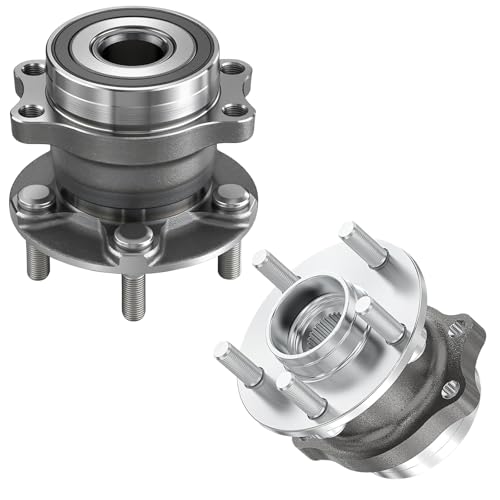
Yes. A worn wheel bearing can let the wheel move off its normal position at the hub, and that extra movement changes how the tire meets the road. The result can be scrub, cupping, edge wear, heat, and in severe cases damage that goes beyond the tire itself.
The failure path is simple. A wheel bearing supports the wheel and lets it rotate with little heat or drag. When it wears, play develops at the hub. That play can alter contact patch behavior, so the tire no longer rolls straight and steady under load.
What the bearing does in the hub
The wheel bearing sits in the wheel hub assembly and carries the wheel while allowing smooth rotation. When it is healthy, it keeps friction low and the wheel centered. When it fails, it can create noise, heat, looseness, and seizure risk.
Front and rear failures can look different. A front bearing is more likely to affect steering feel and tire tracking because it is part of the corner that also helps guide the vehicle. A rear bearing may show up first as heat, humming, or uneven rear tire wear.
Why play matters to tire life
Extra play changes the wheel’s angle and position every time the load shifts. That repeated movement can leave the tread with dips, waves, rough edges, or a cupped pattern. It can also increase heat at the contact patch, which speeds wear and can damage the tire surface.
That is why a tire can be harmed before the bearing reaches total failure. The damage starts as abnormal wear and can progress if the hub keeps moving.
Which tire wear patterns point to bearing trouble?
Bearings can cause uneven tire wear, but the pattern matters. Cupping, scalloping, and one-sided edge wear fit a looseness problem better than simple tread age. Even so, those patterns do not prove a bad bearing by themselves, because inflation, alignment, brake drag, and suspension faults can create similar clues.
Cupping and scalloping
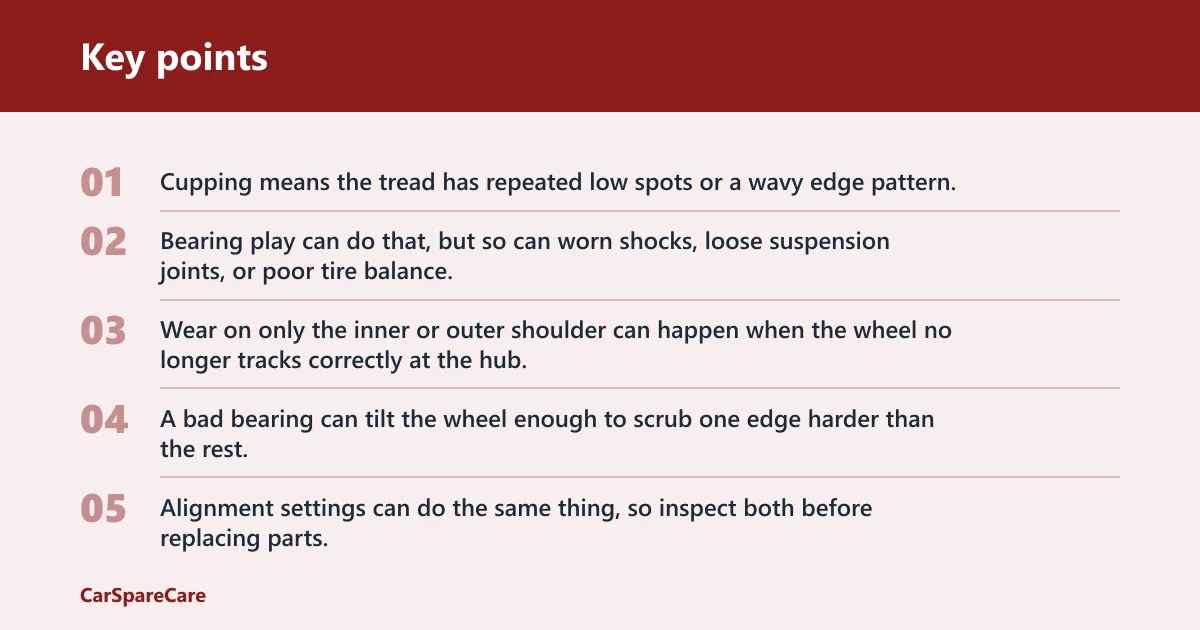
Cupping means the tread has repeated low spots or a wavy edge pattern. That often comes from the wheel bouncing or moving slightly out of plane as it rolls. Bearing play can do that, but so can worn shocks, loose suspension joints, or poor tire balance.
One-sided edge wear
Wear on only the inner or outer shoulder can happen when the wheel no longer tracks correctly at the hub. A bad bearing can tilt the wheel enough to scrub one edge harder than the rest. Alignment settings can do the same thing, so inspect both before replacing parts.
Tread clues that also point elsewhere
Before blaming the bearing, check tire pressure, alignment, brake drag, and suspension condition. Underinflation often wears both shoulders. Overinflation can wear the center. A dragging brake may heat one wheel and leave a wear pattern different from a loose bearing.
Say your front-left tire shows a sawtooth edge and the steering wheel feels slightly vague at 45 mph. That fits a wheel-hub problem, but it still needs a lift check because the same symptom can also come from a worn tie rod or misalignment.
| symptom | likely mechanism | tire impact | action |
|---|---|---|---|
| Humming-only | Early bearing noise at wheel speed; no confirmed looseness yet | Low immediate tire risk, but wear may already be starting | Inspect soon; compare noise on gentle left and right turns |
| Vibration | Hub play or uneven wheel rotation changing load on the tire | Moderate risk of scrub and uneven tread wear | Check wheel play, tire balance, and suspension condition right away |
| Visible cupping | Repeated wheel movement or bounce at the hub | Active uneven wear; tire life can drop quickly | Inspect bearing, shocks, balance, and alignment together |
| One-sided edge wear | Wheel no longer tracks squarely; may be bearing play or alignment | Edge scrub can continue until the cause is fixed | Check inflation and alignment first, then verify hub looseness |
| Heat at the hub | Excess friction from bearing wear or brake drag | High risk of carcass heat damage near the affected wheel | Stop and inspect; compare the wheel temperature with the other side |
| ABS light | Sensor or encoder signal disturbed by hub play | Indirect tire risk through altered braking and stability control | Scan the system and inspect the hub assembly |
| Wheel play | Advanced bearing wear or another steering/suspension fault | High risk of rapid tread damage and hub failure | Do not delay; confirm the source before further driving |
| Do not drive | Noise plus wheel play, heat, or warning lights can indicate a serious problem, so it is generally safest not to drive and to arrange towing if seizure risk is suspected. | Possible tire damage and loss of wheel control | Tow the vehicle |
How to tell a bearing noise from tire noise
Noise alone is not proof of bearing failure. Tire noise, cupping, and road texture can sound similar, and a wheel-bearing problem can be confused with cupped tires. The best clue is how the noise changes with load on a gentle turn, then whether heat, looseness, or warning lights are present.
Road test and turn-load clues
On a quiet road, a bad bearing often gets louder as speed rises. A useful clue is how the sound changes when vehicle load shifts during a gentle left or right turn. If the noise grows when weight transfers to one side, that side may be the problem, but the result is not conclusive on its own.
A steady hum that gets louder at about 35 to 50 mph and softens slightly on a left bend can point toward the right side. That pattern points toward the right side, because the load shift may be exposing the worn bearing. It still needs a lift inspection before you call it confirmed.
Hub heat, wheel play, and visual checks
After the road test, check for heat at the hub, abnormal tread wear, and movement at the wheel. Heat is a red-flag symptom, but it must be compared against brake drag and other causes. A dragging brake can also run hot and mislead the diagnosis.
Compare both hubs. After a short drive, carefully feel near each wheel without touching the rotor or caliper. A noticeably hotter hub on one side after a short drive can suggest excess friction, though brake drag can cause a similar result.
Check for wheel play. With the vehicle safely lifted, grasp the tire at the top and bottom and rock it in and out. Noticeable movement is a sign of advanced bearing wear, though steering and suspension joints can also be responsible.
Inspect the tread closely. Look for cupping, rough edges, or one-sided wear. Those clues support a bearing diagnosis only when they match the noise, heat, or play you found on the vehicle.
When the result is still inconclusive
If the noise changes with speed but not with turns, or if the tire wear pattern points in several directions, do not assume the bearing is fine. Alignment, inflation, brake drag, tire construction, and suspension wear can overlap. The next step is a full inspection of the wheel hub assembly and the surrounding parts.
What damage can a bad wheel bearing cause?
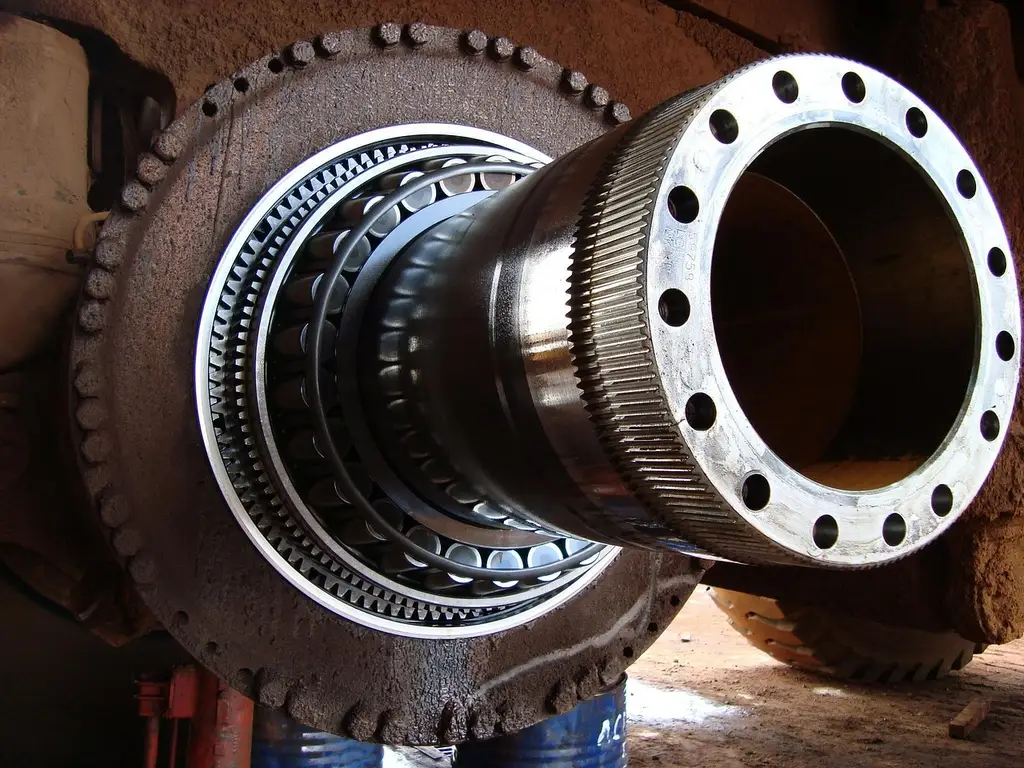
A bad wheel bearing can damage more than the tire. Continued driving can damage neighboring components like the hub, axle, brake parts, or wheel-speed sensor. In severe cases, the wheel assembly can fail, and the wheel can seize. That is why the repair bill often rises fast once the problem is ignored.
Tires, hubs, brakes, and sensors
As play grows, the wheel can move enough to scrub the tread and overheat the tire. The hub assembly itself can also be damaged by the extra movement. On modern vehicles, the unit may include a wheel-speed sensor or encoder, so bearing play can disturb sensor readings and trigger ABS issues.
ABS and traction control depend on accurate wheel-speed signals. Extra bearing play can distort those signals and set warning lights. When that happens, the problem is no longer limited to noise or tire wear; braking control can be affected too.
Why front and rear failures matter differently
Front bearings more often change steering feel, pulling, and tire tracking. Rear bearings can be quieter in the cabin yet still heat up and wear the rear tires unevenly. Both can cause loose or vague steering, but the driver may notice the front axle first because it affects the wheel you steer with.
There is no universal safe mileage
There is no universal safe mileage once failure starts. A bearing with slight noise but no play is different from one with heat, warning lights, and visible wobble. The correct action depends on how fast the symptoms progress and whether the wheel is already moving out of place.
Frequently asked questions
Can a bad wheel bearing damage a tire?
Yes. A worn bearing can let the wheel shift at the hub, which changes the contact patch and creates scrub. That can lead to cupping, edge wear, and faster tread loss. The risk is much higher when you can feel wheel play or see heat, because the problem is already advanced.
Can bad wheel bearings ruin tires?
Yes. Once the bearing lets the wheel wobble or run off-center, the tire can wear unevenly and quickly. The damage may start as a noisy tread pattern and end as rough edges, dips, or shoulder wear. If the hub continues to move, the tire can be ruined before the bearing fully fails.
What happens if my wheel bearings are bad?
You may hear humming, growling, or grinding that rises with speed, feel vague steering, or notice uneven tire wear. As wear advances, the hub can heat up, the ABS light can come on, and the wheel can develop play. At that point, continued driving can become unsafe.
Can a bad wheel bearing cause uneven tire wear?
Yes. Wheel play can change the wheel’s position enough to create abnormal scrub patterns and uneven tread wear. Cupping and one-sided edge wear are common clues. Still, you should check inflation, alignment, brake drag, and suspension parts too, because those faults can cause similar wear.
How do I tell if the noise is a wheel bearing or a tire?
A tire problem often changes with road surface, while a bearing problem often rises with vehicle speed and may change on gentle turns. Check for hub heat, wheel play, and tread cupping. If the sound shifts with load and the wheel feels loose, inspect the bearing first.
Is it safe to drive with a bad wheel bearing?
Not for long once symptoms are clear. If there is noise only, there may be time for a short trip to a shop, but wheel play, heat, or an ABS warning raises the risk level. At that point, towing is the safer choice because the bearing can seize or fail.
Can a bad wheel bearing affect alignment?
Yes, in practical terms. A worn bearing can let the wheel sit and move out of its intended position, which changes how the tire tracks down the road. That is not the same as a true alignment setting issue, but it can mimic one and accelerate uneven tire wear.

Hi, I’m Melvin, an automobile engineer with extensive experience in automobile equipment. I currently work for a local automobile firm, where I specialize in the car parts industry. I’ve had the opportunity to collaborate with seasoned inspectors, gaining invaluable hands-on experience that goes beyond just theory.
My passion for automotive care started at a young age, which led me to create CarSpareCare. Through CarSpareCare, I share the knowledge and skills I’ve acquired over the years to help others navigate the world of car maintenance and repairs.
My goal is to provide practical tutorials, essential safety advice, and the latest industry insights so that anyone—whether a beginner or an expert—can confidently tackle their automotive projects.