
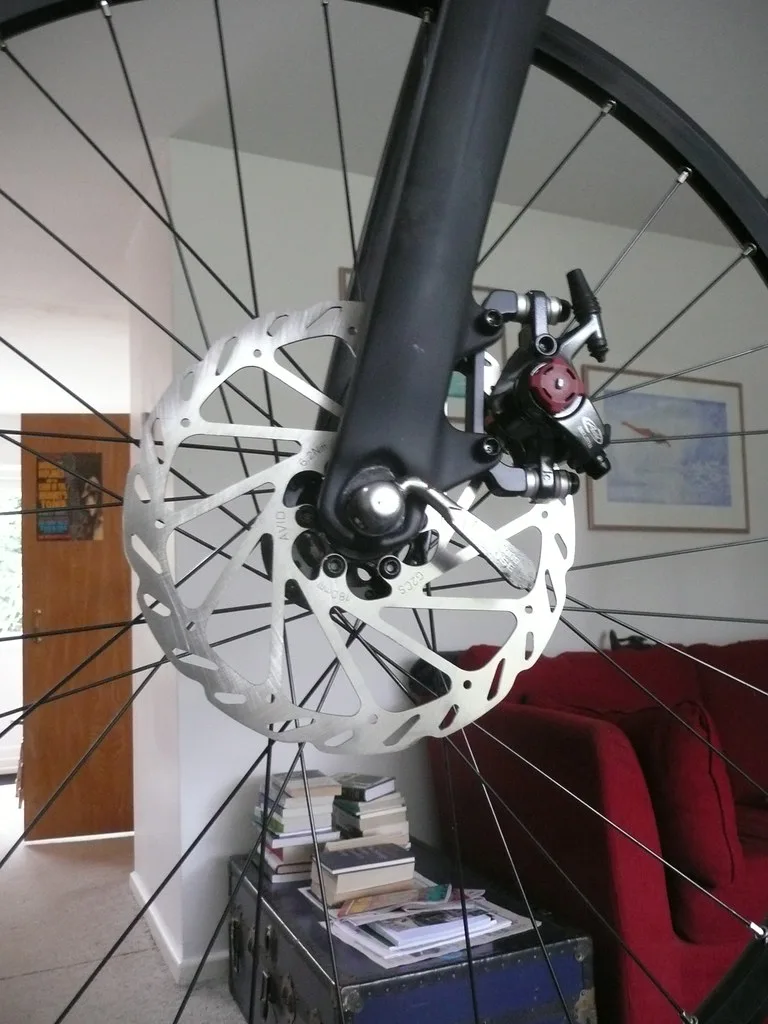
A steering wheel that shakes only while braking is often a front brake rotor or pad issue, but if the shake starts at higher speeds, reaches the seat too, or happens without braking, I would suspect wheel balance, a bent wheel, or suspension wear instead. Ignoring it can lead to longer stopping distances, overheated parts, and wasted money on the wrong repair. This guide shows how the shake pattern points to rotors, calipers, wheels, or suspension, and when it is still safe to drive.
Why does my steering wheel shake when braking?

The quickest clue is whether the shake follows the brake pedal or road speed. A brake-only shake usually points to the front brakes, while a vibration that stays there even when coasting is more likely wheel, tire, or suspension related. Pull, smell, heat, and pedal feel separate those paths fast.
What the shake pattern tells you first
Front brake rotors are often the first parts I check, especially if the shake shows up only when the pedal is pressed. That fits the common rotor-and-pad side of the problem, not every vibration under the car. VehicleRuns says the symptom usually points to the front brake system or front suspension and steering.
Brake-only shake versus vibration that is always there
If the steering wheel is smooth until braking starts, the brake system rises to the top of the list. If the wheel vibrates on the highway even with no braking, wheel balance, a bent wheel, or front-end wear moves ahead. A brake fault can overlap with speed, but it rarely appears in every driving condition.
When a pull, smell, or pedal pulse changes the diagnosis
A pull to one side, one hot wheel, or a burning smell points away from a simple rotor issue and toward a caliper that is sticking or hardware that is dragging. A pulsing pedal means the brake system itself is creating the vibration. A steady pedal with only the wheel shaking pushes suspicion back toward the front end.
According to Steering Wheel Shaking While Braking? Causes & Fixes — TheCarBuzz says out-of-balance wheels or tires can cost $40 to $100 for a computerized four-wheel balance.
What cause is most likely from the way the shake feels?
Pedal feel is one of the fastest sorting tools. If the pedal pulses with the wheel shake, the brakes are at the center of the fault. If the wheel shakes but the pedal feels normal, wheel, tire, hub, or suspension problems become more likely than a true brake pulse.
Pedal pulses and the wheel shakes
That pattern often fits front rotor thickness variation, lateral runout, or pad material transfer. The driver feels it in the pedal because the brake friction changes once per wheel revolution. True rotor warp gets blamed often, but uneven thickness and uneven pad deposit are usually the practical faults that create the pulse.
Steering shakes, but the pedal feels normal
That leans toward wheel and tire imbalance, a bent rim, loose lug torque, or front-end play that only shows under braking load. VehicleRuns says to check lug torque first if the issue began after wheel work. That matters after tire rotation, brake service, or a wheel removal.
One side gets hot or smells burned
Heat on one front wheel, a sharp burning smell, or smoke signals a dragging brake. A sticking caliper, stuck slide pins, or hardware that does not let the pad release can overheat one corner fast. TheCarBuzz lists a seized caliper as a common repair path, and that fault often comes with a pull.
Front rotors and pads: the most common brake-side faults
Front brake rotors and pads are the first things to inspect because they are the most common reason for brake-only shake. The problem may be thickness variation, lateral runout, rust or debris on the hub face, or uneven pad material transfer. Those are different faults, and they do not always need the same repair.
Thickness variation versus true runout
Rotor thickness variation means the disc is not the same thickness all the way around. Lateral runout means the rotor wobbles side to side as it turns. Both can create steering shake and pedal pulse, but runout can also come from rust or debris trapped between the rotor and hub face, not just a bad rotor.
Heat spots, rust on the hub face, and pad material transfer
Heat spotting can leave uneven friction behavior even when the rotor still looks straight. Pad material transfer can feel like a warped rotor because the pad grips harder in one spot than another. A rusty hub face can tilt the rotor enough to create runout after a brake job, so new rotors can still shake.
Uneven pad wear and dragging hardware
Pads should wear as a pair on the same axle. If one pad is much thinner, the clip hardware may be dragging, the caliper may not be releasing, or one side may be loaded more than the other. Uneven friction material transfer can also make one pad grab harder, which worsens the shake under braking.
When resurfacing is no longer the right fix
Resurfacing only makes sense when the rotor still has enough material left and the runout source can be corrected. If there is heavy heat spotting, deep scoring, or the rotor is too thin after machining, replacement is the better choice. On many cars, replacing rotors and pads in pairs is the cleaner repair path.
Could a sticking caliper be the reason?
Yes. A sticking caliper can make the steering wheel shake when the brakes are applied, and it can also create a pull to one side. Stuck slide pins, a sticking piston, or blocked pad movement can keep one wheel braking harder than the other. That extra drag often shows up as heat and smell before it shows up as visible damage.
Stuck slide pins and piston drag
When slide pins seize, the caliper cannot center itself over the rotor. The inner and outer pads then wear unevenly, and the wheel may overheat. A sticking piston can hold the pad against the rotor even after the pedal is released, which explains a hot wheel after a short drive.
How a caliper makes one wheel hotter
The affected wheel usually feels much hotter than the other side after a brake event. A brake smell may come from that corner, and in severe cases smoke can appear. The car may also pull during braking because one front wheel is doing more work than the other.
Why a pull often shows up with this fault
Friction imbalance on one side changes how the car tracks under braking. That is why a sticking brake caliper can make the car pull to one side, while a rotor issue alone more often creates a shake without a strong directional pull. If pull and heat appear together, the caliper moves higher on the list.
Could the wheel, tire, or suspension be causing it instead?

Yes. A wheel or suspension fault can look like a brake problem, especially at higher speeds and during hard braking. Bent wheels, bad balance, loose lug torque, worn tie rods, ball joints, control arm bushings, or wheel bearings can all create vibration that gets worse when braking loads the front end.
Bent wheels, bad balance, and loose lug torque
An out-of-balance tire often causes a vibration that starts at speed and may get more obvious during braking. A bent wheel can do the same. If the issue began after wheel work, lug torque deserves attention first, because uneven torque can distort the wheel’s seating and create a shake that feels like rotor trouble.
Tie rods, ball joints, control arm bushings, and wheel bearings
These parts hold the front wheel in its correct position under load. When they are loose, the wheel can shift backward or sideways as the brakes bite. MechanicBase also lists worn control arm bushings as a cause. TheCarBuzz ties severe shimmy to a loose suspension joint or clunking noise.
Why these problems show up more at speed and under braking
Speed amplifies small balance errors. Braking adds weight transfer, which loads worn joints and bushings even more. That is why a car may feel mostly fine around town yet shake hard on the highway when the brake pedal is pressed. A brake-only diagnosis is too narrow when the vibration also appears in the seat.
When is ABS normal, and when is it a fault?
ABS can cause a rapid pulsation in the pedal and a buzzing or chattering feel, but that is usually tied to loose gravel or wet pavement. It should not feel like a steady rotor shake on dry roads. A warning light changes the picture, because then the system may not be operating normally.
Loose gravel, wet pavement, and normal ABS pulsing
On loose gravel or wet pavement, ABS may cycle rapidly to help prevent wheel lockup. The pedal can pulse and the brake pedal may chatter, but the steering wheel usually does not develop the same repetitive shimmy as a bad rotor. That is normal activation, not a mechanical warp problem.
How ABS feel differs from rotor shake
ABS usually feels sudden and rapid, then fades as traction improves. Rotor-related shake tends to repeat in a steady pattern with vehicle speed and braking force. If the ABS warning light is on, the system may need diagnosis, but a warning light alone does not explain a one-wheel heat issue or a burning smell.
What the warning light changes
A lit ABS warning light means the system needs attention, but it does not replace a brake inspection. Mechanical faults still matter first when the wheel shakes only during braking. If the pedal pulses on normal pavement and the ABS light is on, both the electronic system and the brake hardware should be checked.
Use this symptom-to-cause matrix
This matrix helps sort the likely fault before parts are replaced. Start with when the shake happens, then check pedal pulse, pull, heat, and odor. The stop-driving level matters too. A hot wheel, smoke, clunking, or unpredictable steering deserves a much faster response than a mild shake with no other symptoms.
| When the shake happens | Pedal pulses? | Car pulls? | Wheel heat or odor? | Likely fault | Stop-driving level |
|---|---|---|---|---|---|
| Only when braking at moderate to high speed | Yes | No | Usually no | Front rotor thickness variation or pad material transfer | Drive only to a shop if mild |
| Only when braking, with steering shake and a hot one side | Sometimes | Yes | Yes, burning smell or hot wheel | Sticking caliper or stuck slide pins | High; stop if smoke or severe pull |
| Starts after wheel work | Maybe | Maybe | No or slight | Loose lug torque, bent wheel, hub debris, or bad balance | Check before more driving |
| Happens at speed and gets worse on braking | No | Maybe | No | Out-of-balance tire, bent wheel, tie rod, ball joint, or bushing wear | Moderate; inspect soon |
| Loose gravel or wet pavement only | Yes, rapid | No | No | Normal ABS activation | Low if it stops when traction returns |
| Clunk with loose or unpredictable steering | May or may not | Possible | Maybe | Loose suspension joint or severe front-end wear | Stop driving and tow |
Brake-only shake with pedal pulse
That is the classic front brake path. Check rotor condition, hub face rust, pad wear, and caliper release. If the rotors are heat spotted or the pads show uneven material transfer, replacing rotors and pads in pairs is often cleaner than trying to save a damaged set.
Shake with pull, heat, or odor
That pattern raises concern for a dragging brake or a sticking caliper. A burning smell, smoke, or one hot wheel means the car needs a brake inspection before more driving. That is not the time to keep testing the symptom on the road.
Shake after new brakes or after wheel work
Post-service shake often points to hub corrosion, rotor fitment issues, improper lug torque, or a rotor that was installed over a dirty mating surface. VehicleRuns says to check lug torque first if the problem started after wheel work. New parts do not rule out a bad installation.
Stop-driving levels and next checks
If there is clunking, loose steering, smoke, a strong burning smell, or a sudden pull, towing is safer than driving. VehicleRuns uses a short stop-driving warning for a clunk with loose or unpredictable steering. A mild shake with no heat or pull may allow a short trip to a repair shop.
Why does my steering wheel shake when braking at high speeds?
High-speed braking makes small front-end faults much easier to feel. Rotor thickness variation, pad deposit, wheel imbalance, or a bent wheel can all feel mild at lower speeds and then turn into a strong shake above highway speeds. If it also shakes without braking, wheel or suspension parts move up the list.
Why does my steering wheel shake when braking downhill?
Downhill braking loads the front brakes harder for longer, so a marginal rotor or dragging caliper can show its problem faster. Heat buildup matters here. If the shake worsens after repeated downhill braking, think rotor heat spots, pad transfer, or a caliper that is not releasing fully.
Why does my steering wheel shake when braking hard?
Hard braking can expose rotor runout, pad unevenness, or a weak caliper faster than light braking. It can also wake up loose suspension parts because the front end loads sharply. If the wheel shakes hard but the pedal stays steady, wheel and front-end faults deserve a closer look.
Why does my steering wheel vibrate when braking?
Brake vibration usually means the front tires, rotors, or suspension are not holding the wheel steady under load. A pulsating pedal points toward the brake hardware. A smooth pedal with vibration in the steering wheel points more toward wheels, balance, or looseness in the front suspension.
Why does my steering wheel shake when stopping?
If the shake appears during the final part of the stop, low-speed brake pulsation or a dragging pad is possible, but so is a loose front-end part shifting as weight transfers forward. If the sensation is only a mild tremor at the very end of braking, inspect brakes first, then suspension joints.
Why does my steering wheel shake on the highway when I brake?
Highway speed magnifies any front rotor, wheel balance, or tire issue. If the shake only appears during braking from highway speeds, rotor thickness variation or runout is a common cause. If the car also vibrates before braking starts, a bent wheel, tire problem, or worn joint may be involved.
Is driving with a steering wheel shake when braking dangerous?
It can be. A mild rotor vibration may let you reach a shop, but a hot wheel, burning smell, smoke, pull to one side, clunking, or unpredictable steering means the risk is higher. A dragging brake can overheat quickly, and a loose front-end part can become a safety problem fast.
Why does my steering wheel shake when braking and pulling to one side?
That combination often points to a sticking caliper, stuck slide pins, or uneven brake force between the front wheels. It can also happen if one front tire or wheel has a different grip or if suspension wear lets the wheel shift under load. Heat on one side makes the caliper more likely.
Why does my steering wheel shake after new brakes?
New brakes that still shake often mean the problem was not solved at the hub or wheel. Rust or debris on the hub face, improper lug torque, rotor fitment issues, or a caliper that still drags can all cause a fresh brake job to vibrate. New parts do not fix dirty mounting surfaces.
What causes my brake pedal to pulsate and steering wheel to shake?
That pattern most often comes from the front rotors. Thickness variation, lateral runout, or pad material transfer can send the same repeating pulse into both the pedal and steering wheel. If the pedal also feels soft or sinking, the issue may be hydraulic instead, and that needs prompt inspection.
Frequently asked questions
why does my steering wheel shake when braking at higher speeds
Higher speed makes small rotor and wheel faults easier to feel. If the shake only appears under braking, front rotor thickness variation, pad deposit, or a bent wheel are common suspects. If it is present while cruising too, wheel balance or suspension wear moves higher on the list.

Hi, I’m Melvin, an automobile engineer with extensive experience in automobile equipment. I currently work for a local automobile firm, where I specialize in the car parts industry. I’ve had the opportunity to collaborate with seasoned inspectors, gaining invaluable hands-on experience that goes beyond just theory.
My passion for automotive care started at a young age, which led me to create CarSpareCare. Through CarSpareCare, I share the knowledge and skills I’ve acquired over the years to help others navigate the world of car maintenance and repairs.
My goal is to provide practical tutorials, essential safety advice, and the latest industry insights so that anyone—whether a beginner or an expert—can confidently tackle their automotive projects.

