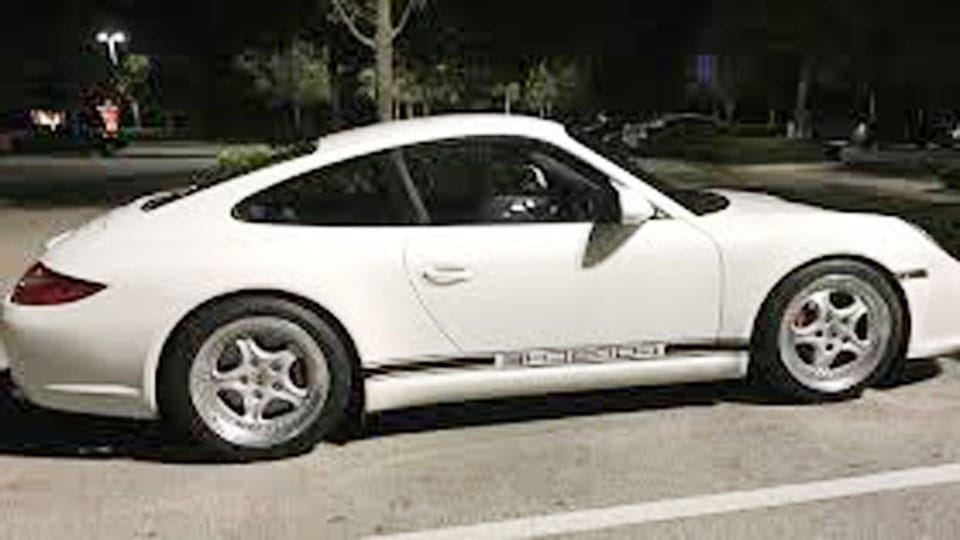
Wheel spacers are safe on daily drivers only when they solve a real clearance problem and still keep the hub centered, the lug nuts fully engaged, and torque correct; if they do not, they can cause vibration, loosen fasteners, or speed up bearing wear. Done badly, they can also worsen scrub radius and turn fitment problems into more expensive repairs. This guide covers when spacers make sense, how thick is too thick, and the checks you need before driving on them.
Quick answer for daily drivers
For daily use, spacers belong in the “fix a real fitment problem” category, not the “add stance for looks” category. The safest setups are hub-centric, matched to the bolt pattern and center bore, installed with proper thread engagement, and re-torqued after the first drive cycle.
If you are only chasing a wider look, a wheel with the correct offset is usually the cleaner fix. If you need caliper clearance or a small rub correction, a spacer can be reasonable when the rest of the fitment checks pass. If the setup depends on a wheel centering on the lug nuts alone, the risk goes up.
When spacers can be acceptable
Spacers can make sense when they solve a measurable clearance issue: brake caliper interference, rubbing on suspension parts, or tire contact at full lock or compression. They are also used to move a wheel outward for a specific stance or to clear a wheel design that sits too far inward.
That does not make them harmless. The thinner the correction, the more likely a proper wheel offset would have been the better long-term answer. The thicker the spacer, the more the load moves away from the hub face.
When spacers are the wrong fix
If the spacer is only there to cover up a wheel choice that is far from the vehicle’s intended offset range, treat that as a warning sign. Large thicknesses add more stress to the hub, can shorten usable thread engagement, and may change steering feel enough to notice in parking maneuvers and on the highway.
If the wheel already sits close to the fender, brake, or suspension, a spacer can solve one contact point and create another. That is a bad trade on a daily driver.
What changes the risk level
Risk rises with spacer thickness, vehicle mass, wheel load, and how much highway driving the vehicle sees. It also rises when the setup is lug-centric, when the wheel bore does not center cleanly, or when the spacer forces you to reuse hardware that no longer has enough engagement.
A short, hub-centric spacer used to clear a caliper is a different problem from a thick spacer on a heavy truck with oversized tires. The second setup asks more of the hub, bearings, and fasteners.
What wheel spacers change
Wheel spacers push the wheel outward from the hub and change track width. That can help with stance, brake clearance, and rubbing clearance, but it also changes the relationship between the tire, hub, and suspension geometry.
Track width and wheel position
Moving the wheel outward increases the distance between the wheel centerline and the hub face. That changes scrub radius and can make steering feel heavier or more reactive over bumps, especially if the spacer is thick enough to make the tire sit farther out than intended.
The effect is not always dramatic. Small changes are often minor. Larger changes can be obvious in steering effort, road feel, and front-end kickback.
Brake and suspension clearance
One established use is to create clearance for larger brake calipers. Another is to prevent tire rub on suspension components. Those are legitimate fitment reasons, and they are better than using a spacer only for appearance.
Still, the spacer should be part of a clean fitment solution, not a patch over the wrong wheel spec.
Why offset matters here
Wheel offset is the built-in position of the wheel mounting face relative to the wheel centerline. If the goal is to move the wheel outward a little, the right offset wheel often gives a cleaner result than a spacer because it avoids adding another interface and keeps the setup simpler.
Suppose a compact sedan needs only a small caliper clearance correction. A properly chosen wheel with different offset may remove the need for a spacer entirely, while also avoiding extra hardware and another torque point to monitor.
Are hub-centric wheel spacers safer?
Yes. Hub-centric spacers are the preferred type for daily driving because they center on the hub and help support proper wheel alignment on the mounting face. Lug-centric spacers rely on the lug nuts to center the wheel, and that raises the chance of vibration and imperfect centering.
Hub-centric versus lug-centric fitment
Hub-centric spacers locate on the hub pilot and keep the wheel centered before the lug nuts are fully torqued. Lug-centric spacers depend much more on the fasteners to do that centering work, which is less precise and more likely to produce shake.
That difference matters most at speed. Vibration risk around 60 mph when centering is poor.
Why centering affects vibration
Even a small off-center condition can show up as steering wheel shake, seat vibration, or a low-speed wobble that becomes more obvious on smooth pavement. Non-hub-centric spacers can cause steering wheel shake because the wheel is not located as precisely on the hub.
Daily drivers spend time at steady speeds, not just around town. That makes centering quality more important than it may seem at installation.
When bolt-on spacers make more sense
Bolt-on spacers are generally used for 20mm or more. They add a second set of studs and nuts, which can be useful when a slip-on spacer would leave too little thread engagement on the original studs.
That does not make them automatically safer. It means they can be the correct solution when thickness demands more hardware support, provided the parts are matched correctly and torqued in the right sequence.
Fitment checks that must pass
Before driving on spacers, the bolt pattern must match both the hub and the wheel. The center bore must also match the vehicle hub on hub-centric setups. If either one is wrong, vibration and poor centering are likely.
Bolt pattern and center bore
The bolt pattern must match exactly. A pattern like 5×120 only works when both the hub and the wheel use that same pattern. The center bore must also fit the hub correctly on hub-centric setups, or the wheel may hang on the fasteners instead of sitting squarely on the hub.
Thread engagement after installation
Thread engagement must remain sufficient after the spacer thickness is added. If the spacer reduces the lug nut or stud thread engagement below the vehicle maker’s specified minimum, the setup should not be used.
A common first-timer mistake is installing a thicker spacer, then assuming the original hardware is still long enough because the lug nuts “catch.” Catching is not the same as having enough engagement.
Torque spec and final tightening
A torque wrench is required for final tightening. Impact guns are useful for removal or for initial snugging in some setups, but they should not be the final torque tool. Final tightening should match the vehicle and wheel manufacturer spec.
Re-checking torque matters because parts settle after the first drive cycle. A re-torque after the first 25 to 50 miles is one recommendation, and a re-torque after the first 50-100 miles is called important in another source. The practical takeaway is simple: check early, not weeks later.
Wheel spacer decision matrix
This matrix gives you a daily-driver filter. If your setup falls into the wrong column, think twice before driving on it. If it lands in the safer column, you still need the fitment checks above and an early re-torque.
| Vehicle type | Spacer type | Thickness band | Required thread engagement check | Re-torque interval | Stop-driving warning signs |
|---|---|---|---|---|---|
| Passenger car, stock height, low daily mileage | Hub-centric slip-on | Small correction only | Confirm full lug engagement after spacer thickness is added; do not accept marginal thread capture | After the first 25 to 50 miles, then inspect again within the first 50-100 miles | Vibration, steering shake, clunking, rubbing, or loose fasteners |
| Passenger car with brake clearance issue | Hub-centric slip-on or bolt-on if thickness demands it | Moderate correction | Measure engagement with the spacer installed; if the stud or bolt length is borderline, do not drive | After the first drive cycle, then again after short mixed-use driving | Brake rub, wheel wobble, uneven steering pull, or repeated torque loss |
| Truck used for commuting and light hauling | Hub-centric bolt-on preferred over lug-centric | Moderate to thicker correction | Check that the added stress has not reduced hardware margin below spec | After the first 25 to 50 miles, then at the next tire rotation | Wheel shake at speed, clunking over bumps, or a heat check that shows abnormal hub noise |
| Lifted truck or heavy-load daily driver | Only when fitment is proven and hardware is correct | Any thickness that meaningfully changes track width | Be strict about engagement and centering; if either is questionable, do not use the setup | Early re-torque and repeat inspection after towing or load changes | Persistent wobble, visible movement at the wheel, or fresh rubbing under load |
Can wheel spacers cause wheel bearing wear?
Yes. Wheel spacers increase the force acting on wheel bearings and hubs. The farther the wheel moves from the hub face, the more force those parts see in cornering, braking, and over rough pavement. Thin spacers are a smaller risk than thick ones, but the direction of the change is the same.
Wheel bearings and hub load
Bearing life depends on load, alignment, and service conditions. A spacer adds more stress, and that can speed up wear over time, especially on heavier vehicles or setups that already see hard use. The risk rises with thickness and with how much the vehicle carries or tows.
Vibration, wobble, and steering feel
Wheel spacers can change steering feel by altering scrub radius and by making centering more sensitive. If the wheel is not centered properly, the first symptom is often a shake or wobble at speed rather than a dramatic failure.
Say your compact SUV gains a 10 mm spacer to clear a brake caliper. If the steering wheel develops a shake near highway speed after installation, that is not a normal “settling in” issue. It points to a fitment or centering problem that needs inspection.
What to inspect after installation
- Check each wheel for proper torque with a torque wrench after the first drive cycle.
- Inspect for shiny witness marks on the tire, liner, strut, control arm, caliper, or fender.
- Look for fresh dust patterns, which can point to intermittent rubbing.
- Grip the tire at the top and bottom and check for unusual play.
- Listen for clunking over bumps, especially at low speed and while turning.
- Reinspect after the first 25 to 50 miles, then again if highway vibration appears.
Are wheel spacers safe on trucks?
They can be, but trucks deserve a stricter standard than ordinary passenger cars because they carry more load and often run taller tires. The heavier the vehicle and the larger the tire, the more force the spacer adds to the hub and bearing assembly.
Why load and leverage matter more
Truck use often includes payload, towing, and rough roads. All three raise stress on bearings and hubs. A spacer that is acceptable on a light commuter car may be a poor choice on a heavy truck because the extra force compounds the load already on the front and rear hubs.
Lifted trucks and larger tires
Lift kits and oversized tires often change offsets, scrub radius, and clearances before a spacer is added. That means the truck may already be operating farther from the original geometry than a stock vehicle. Adding a spacer on top of that can magnify steering feel changes and bearing load.
Picture a lifted pickup with wide tires and a thick spacer to clear the knuckle. If the wheel also sits close to the outer fender, the setup may move from “possible” to “poor choice” quickly, especially once the truck is carrying tools or towing.
When to choose a different wheel offset
If a truck needs a major stance change or a large clearance correction, a wheel with the proper offset is often the better fix. It can reduce the need for a thick spacer and keep the wheel mounting arrangement simpler.
Wheel adapters belong in the same caution zone. They can be safe for daily driving only when they are matched to the hub and wheel, centered correctly, torqued properly, and used with enough thread engagement. If the adapter creates the same fitment risks as a spacer and adds another joint, it needs the same level of scrutiny.
Frequently asked questions
Are wheel spacers safe for daily driving?
They can be safe for daily driving when they solve a real clearance problem and the setup is hub-centric, correctly matched, and properly torqued. They are a poor choice when they exist only for appearance or when they reduce thread engagement, centering quality, or serviceability.
What makes wheel spacers unsafe on a daily driver?
The main risks are poor centering, insufficient thread engagement, wrong bolt pattern, wrong center bore, loose fasteners, and rubbing. Thick spacers add stress on bearings and hubs, so the setup becomes less forgiving as thickness and vehicle load increase.
How often should wheel spacers be re-torqued?
Plan an early re-torque after the first 25 to 50 miles, and treat the first 50-100 miles as a critical settling window. After that, recheck at the next service interval or sooner if you notice vibration, noise, or looseness.
Do wheel spacers affect alignment and steering feel?
They do not usually change alignment settings like camber or toe by themselves, but they can change steering feel by altering scrub radius and load on the front end. If the setup is off-center or poorly matched, the driver may feel shake, tramlining, or heavier steering.
Are wheel adapters safe for daily driving?
Wheel adapters can be acceptable for daily use only if they are correctly matched, hub-centric, torqued to spec, and checked for adequate engagement after installation. They add another interface, so the same fitment rules apply with even less room for error than a simple spacer setup.

Hi, I’m Melvin, an automobile engineer with extensive experience in automobile equipment. I currently work for a local automobile firm, where I specialize in the car parts industry. I’ve had the opportunity to collaborate with seasoned inspectors, gaining invaluable hands-on experience that goes beyond just theory.
My passion for automotive care started at a young age, which led me to create CarSpareCare. Through CarSpareCare, I share the knowledge and skills I’ve acquired over the years to help others navigate the world of car maintenance and repairs.
My goal is to provide practical tutorials, essential safety advice, and the latest industry insights so that anyone—whether a beginner or an expert—can confidently tackle their automotive projects.