Dry a wet car interior by pulling out standing water right away, lifting floor mats, and running airflow plus dehumidification until hidden padding dries; if water reached the carpet backing or seat foam, expect extra drying time. Left damp, the cabin can develop mold, sour smells, and electrical faults. The car interior flood damage cleanup guide and EPA mold guidance both stress that moisture removal should start fast because mold can begin growing within 24–48 hours in the right conditions. EPA This guide gives a moisture-triage sequence for light dampness, soaked upholstery, trunk liners, and flood-level water.
Wet interior triage checklist
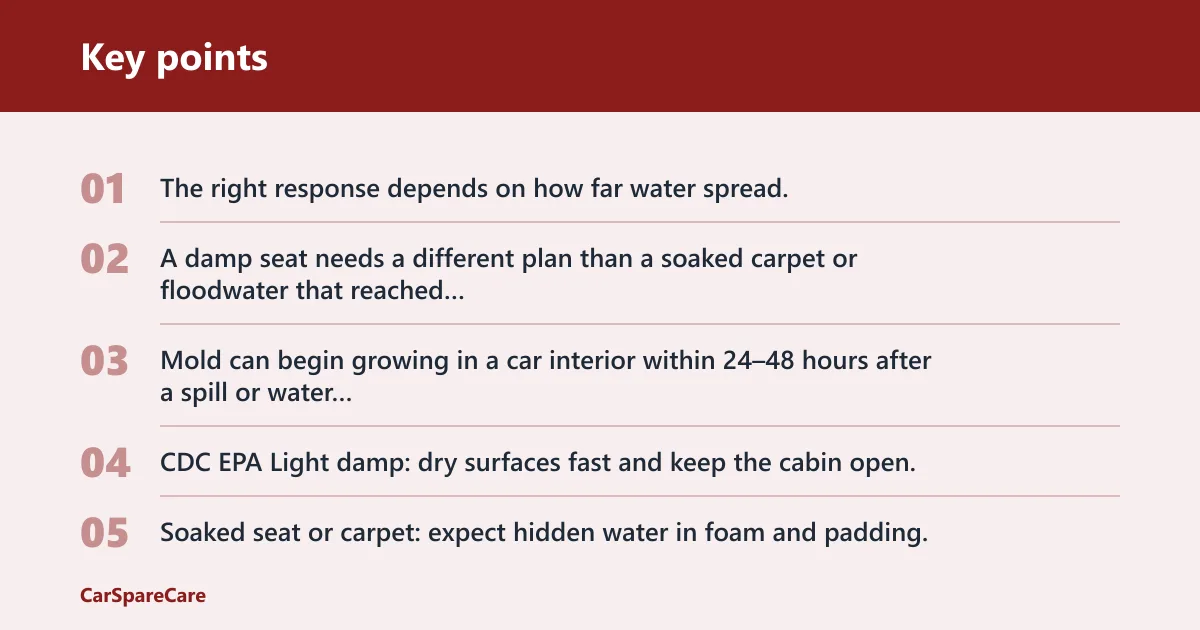


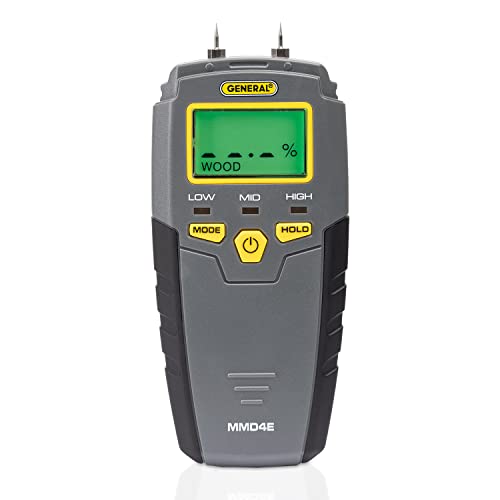
The right response depends on how far water spread. A damp seat needs a different plan than a soaked carpet or floodwater that reached padding and wiring. Mold can begin growing in a car interior within 24–48 hours after a spill or water intrusion, so the first day matters most. CDC EPA
| Severity level | First 30 minutes | First 24 hours | When DIY drying stops |
|---|---|---|---|
| Light damp | Blot fabric, remove mats, open windows or doors when weather allows, and fix the leak or spill source. | Run airflow across the cabin and use a moisture absorber or dehumidifier after bulk water is gone. | Stop DIY if odor, visible mold, or repeated damp spots return after drying. |
| Soaked seat or carpet | Extract water with a wet/dry vacuum, blot with towels, and keep air moving through the cabin. | Dry seat seams, carpet backing, and underfloor padding. Lift trim only as allowed by the vehicle manual. | Remove padding or trim if it stays musty or wet after airflow and extraction. |
| Flood water | Do not assume drying alone will solve it. Protect yourself and stop further spread. | Arrange professional remediation, especially if water was dirty, sewage-contaminated, or reached insulation and wiring. | DIY usually stops here. Contaminated floodwater often means replacement of porous parts. |
Light damp: dry surfaces fast and keep the cabin open. Soaked seat or carpet: expect hidden water in foam and padding. Flood water: contaminated water usually means professional remediation and replacement, not drying alone.
How do you know whether to keep drying or stop DIY?
Use the first 30 minutes for source control and bulk water removal, the first 24 hours for hidden-layer drying, and stop DIY if contamination, electrical risk, or persistent moisture shows up. If the cabin still smells wet after a full day of airflow and extraction, the problem is no longer just surface drying. FEMA EPA
| Check | How to verify | Pass / fail sign | Action if failed |
|---|---|---|---|
| Surface water removed | Press with towels and inspect footwells, seams, and trim gaps. | Pass if no standing water returns; fail if pooling remains. | Extract again with a wet/dry vacuum and reopen the cabin for airflow. |
| Hidden carpet/padding dry | Press at the mat edge and carpet backing; feel for coolness, dampness, or odor. | Pass if the backing feels dry and neutral; fail if it feels cool or musty. | Lift trim where safe, continue drying, or escalate to professional extraction/removal. |
| Seat foam dry | Check lower cushion seams and the base of the seat for retained moisture. | Pass if foam is dry and odor-free; fail if it stays musty after airflow. | Continue drying the foam, and if odor persists, consider removal or replacement of the affected cushion materials. |
| HVAC odor cleared | Run the fan after drying and smell the vents with fresh air in the cabin. | Pass if the airflow smells neutral; fail if a musty odor remains. | Replace the cabin air filter first, then clean the evaporator case if the odor persists. |
| Flood contamination ruled out | Identify whether the source was clean water, dirty runoff, or sewage/backup water. | Pass if water was clean; fail if it was contaminated or unknown. | Stop DIY, use PPE, and move to professional remediation if floodwater was contaminated. |
What to do first after water gets inside?
Locate the leak and stop it before you dry anything. Faulty window or door seals can let water in, and sunroof drains or AC condensate drains are common leak paths. Standing water or condensation in the trunk is a red flag for hidden moisture.
Remove mats, loose items, and standing water
Take out floor mats, child seats if they block access, loose cargo, and wet covers. Squeegee or towel out pooled water first. Then use a wet/dry vacuum to pull moisture from carpets and seats, since it is recommended for deep moisture removal after spills, leaks, or flooding. For larger cleanup, the flood damage cleanup guide outlines how to prioritize extraction before detailing.
Use towels to soak up the top layer, then finish with the vacuum. Towels handle surface water. The vacuum reaches deeper fibers and seams.
Open windows or doors for airflow when weather allows
Open car windows and doors when rain, humidity, and security allow it. Fresh air moves damp air out of the cabin instead of letting it settle into foam, carpet padding, and trim joints. A portable fan can improve cabin airflow and help speed evaporation from carpets, foam, and seat seams.
Picture a compact sedan with one wet rear footwell after a door seal leak. Leaving the car closed overnight can trap damp air in the carpet backing, even if the top layer feels dry by evening.
How do you dry a wet car interior fast?
Dry a wet car interior fast by removing bulk water first, then moving air across every wet surface before adding a moisture absorber or dehumidifier. The drying order matters. Extraction comes before dehumidification, or the enclosed cabin air stays humid and slows the whole process. A wet/dry vacuum and a correctly sized portable car dehumidifier work best together once standing water is gone.
Use towels and a wet/dry vacuum together
Blot first, then vacuum. Towels pull water from the surface so the wet/dry vacuum can focus on what has soaked into carpet fibers, seat seams, and low spots. This matters most on carpets and cloth seats, where water can sit below the surface after the top feels dry.
Add portable fans to move air across seats and carpet
Set portable fans to push air across the seat bottoms, floor, and door sills. If weather allows, keep windows or doors open so damp air has a way out. Fans work best after extraction, not before it.
Use a moisture absorber or dehumidifier only after extraction
Once standing water is gone, place a portable car dehumidifier or moisture absorber in the cabin. Use the manufacturer listing for setup and capacity, because this term can mean different devices. It should pull residual humidity from the enclosed air and help prevent regrowth after cleaning. EPA guidance also notes that dehumidification works best after liquid water is removed and materials are actively drying. EPA
Suppose a hatchback gets a gallon-size spill from a cooler. If the carpet looks almost dry after one hour but the underlay still feels cool and damp, a fan plus absorber can keep humidity from settling back into the floor.
Dry a wet car floor by treating the carpet as a layered material, not a single surface. Pull out loose mats, extract standing water, and then verify whether the carpet backing and padding are dry. If they are still damp, the floor is not dry yet. If you need a practical walkthrough, the wet/dry vacuum guide explains extraction-first cleanup, and the moisture absorber/dehumidifier guide covers the residual-drying step.
Fabric seats and carpet surfaces
For fabric seats and carpet surfaces, blot, extract, and use airflow across the material. Keep doors open when conditions allow, and aim the fan at the lower cushion and floor edges where moisture hides. Avoid over-wetting the fabric with cleaning liquid.
Leather or vinyl surfaces
Leather and vinyl dry faster than foam-backed fabric, but seams and stitched edges can still trap water. Wipe them dry, then leave the cabin open so the remaining moisture can leave the seams and trim edges. Do not ignore the seat base underneath.
When to lift trim or remove padding
Lift trim or remove padding only when the vehicle manual allows it and after you consider airbags, seat wiring, child-seat anchors, and battery-disconnect precautions. Follow the vehicle manual, never work under a vehicle held only by a jack, never exceed the vehicle’s rated roof/hitch/tow limit, keep items out of airbag zones and the driver’s view, and check local laws.
If the floor still smells damp after a full day of airflow and extraction, the hidden layer is likely still wet. That is the point to remove trim or seek professional help, not to keep adding surface cleaning.
Which wet areas dry slowly?
Some parts can stay wet longer than the visible surface. Seat foam, carpet backing, underfloor padding, the trunk well, and HVAC areas can hold moisture after the top layer feels dry. That hidden water is what often leads to repeated musty odor.
Seat foam and lower cushion seams
Seat foam is porous and can stay damp long after the cover looks normal. Lower cushion seams trap water near stitching and edge folds. If the foam stays musty after cleaning and drying, replacement may be needed. When water is dirty or flood-related, porous foam typically should not be trusted to dry back into service. CDC EPA
Carpet backing and underfloor padding
Carpet backing and underfloor padding are high-risk because they sit below the visible pile. They can stay wet against the floorpan and under trim. If these layers were soaked, drying the top alone is not enough. Padding that was saturated by floodwater or sewage-like water often needs removal and replacement rather than simple drying. FEMA
Trunk well, spare-tire area, and hidden corners
Check the trunk well and spare-tire area for standing water or condensation. These zones often catch leak water from seals, lamp housings, or blocked drains. Hidden corners under trim can also stay wet after the rest of the cabin seems finished.
Flooded car interior and contamination limits
Contaminated floodwater or sewage intrusion often calls for professional remediation and replacement rather than DIY drying alone. Dirty water can carry pathogens into carpet, foam, and wiring. If the water was visibly contaminated, do not treat it like a normal spill. EPA and FEMA both advise caution with flood-damaged materials because porous parts can retain contamination even after they appear dry. EPA FEMA
Why saturated padding and insulation often need replacement
Seat foam and carpet padding can hold contaminated water even after the surface looks clean. Once those porous layers are saturated, odor and contamination can remain inside them. Persistent musty smell after cleaning is a sign that replacement may be needed.
When to stop DIY and call a professional
Stop DIY drying if floodwater reached insulation, wiring, or the HVAC area, or if odor keeps returning after drying. Also stop if the water was sewage-contaminated, sewage-like, or from a backup source. That kind of contamination is usually beyond simple drying. CDC and EPA cleanup guidance recommends full PPE for mold-affected materials and extra caution with contaminated water. CDC EPA
How to clean a moldy car interior
When mold is visible or suspected, use PPE commonly recommended for mold cleanup: an N95 or better mask, gloves, and goggles. Wear old clothing or coveralls. Clean fabric, carpet, and some hard surfaces with an enzyme or antimicrobial cleaner, not bleach, because bleach is specifically discouraged for porous materials and can damage car interiors. CDC EPA
How to remove moisture from car interior
Remove moisture from car interior by checking hidden layers, not only the visible seat and carpet surface. The cabin air filter may need replacement if it is moldy or musty, and the HVAC evaporator area may need attention if odor keeps coming from the vents. A musty odor from the vents is a strong indicator of HVAC mold, and persistent odor after a new filter usually points to the evaporator box rather than the filter alone. EPA
| Area | What to check | Pass / fail sign |
|---|---|---|
| Carpet backing and underlay | Press with a dry towel or gloved hand at the floor edge and under the mat area. | Pass if it feels dry and does not cool the towel; fail if it feels damp or leaves a smell. |
| Seat foam and seam edges | Check lower cushion seams and the base of the seat for coolness, dampness, or odor. | Pass if foam is dry and neutral; fail if it stays musty after airflow. |
| Trunk well and spare-tire area | Look for standing water, damp carpet, or condensation under mats and trim. | Pass if dry to the touch; fail if water returns after the car sits closed. |
| HVAC odor | Run the fan and smell the vents after drying and filter checks. | Pass if airflow smells neutral; fail if a musty odor remains from the vents. |
Do not close the car back up until these checks pass. If the cabin still smells damp after visible drying, the hidden layer is still holding moisture.
Say your SUV has soaked rear carpet from a sunroof drain clog, but the seats look dry by evening. The carpet backing under the rear mat can still be wet the next morning. That is why a hidden-layer check matters before the doors stay shut overnight.
When does cabin air filter replacement solve it?
If the smell is only from the vents after a wet interior event, a damp or moldy cabin air filter may be the whole problem. Replace the filter first if it is visibly dirty, wet, or musty. If the odor remains after replacement and a short run of the fan, the evaporator case likely needs cleaning. EPA
When does HVAC evaporator odor mean deeper cleaning?
Persistent vent odor after a new filter usually points to the evaporator and housing, not just the filter. That is especially true if the odor rises when the A/C runs and stays musty even after the rest of the cabin is dry. In that case, evaporator cleaning or service is more effective than repeated filter changes alone. EPA
Should you use bleach on mold in a car?
No. Bleach is not recommended for most car-interior mold cleanup, especially on fabric, carpet, and foam-backed materials. EPA guidance warns that bleach can be ineffective on porous materials and may damage surfaces. Use a cleaner designed for the material, and replace saturated porous parts when contamination or odor persists. EPA
Frequently asked questions
How to clean a moldy car interior: wear an N95 or better
Wear an N95 or better mask, gloves, and goggles before cleaning. Use an enzyme or antimicrobial cleaner on fabric, carpet, and some hard surfaces, and avoid bleach because it can damage materials. If mold returns or odor persists, hidden moisture is still present.

Hi, I’m Melvin, an automobile engineer with extensive experience in automobile equipment. I currently work for a local automobile firm, where I specialize in the car parts industry. I’ve had the opportunity to collaborate with seasoned inspectors, gaining invaluable hands-on experience that goes beyond just theory.
My passion for automotive care started at a young age, which led me to create CarSpareCare. Through CarSpareCare, I share the knowledge and skills I’ve acquired over the years to help others navigate the world of car maintenance and repairs.
My goal is to provide practical tutorials, essential safety advice, and the latest industry insights so that anyone—whether a beginner or an expert—can confidently tackle their automotive projects.