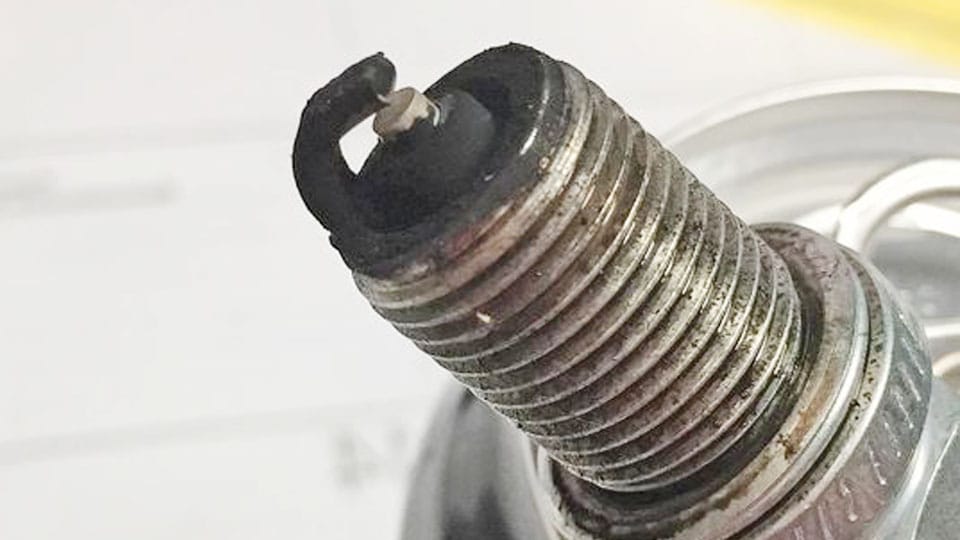
Spark plugs turn white when combustion runs too hot, the mixture runs lean, timing is too advanced, or coolant enters the cylinder; a dry, chalky plug usually points to heat or lean running, while a wet white crust points to coolant. Ignoring it can trigger misfires, damage the electrodes, melt the plugs, and cut pistons. This guide shows how to read the insulator, electrode, and cylinder pattern so you can tell heat damage from coolant fouling, lean running, or an isolated fault.
What does a white spark plug mean?
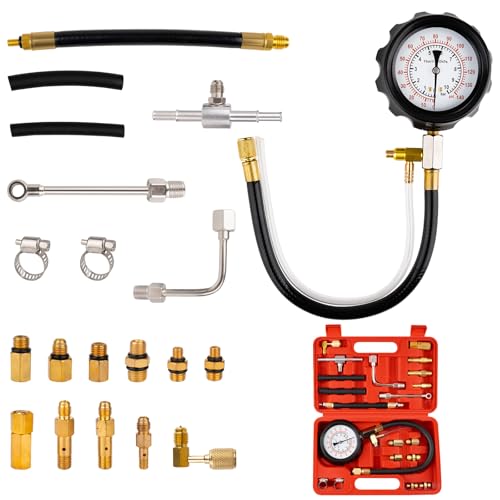

A white plug usually means the cylinder has seen abnormal heat, contamination, or both. Healthy plugs are usually light tan or grayish-white, so white by itself is not the full diagnosis. You need to inspect the insulator, the electrode, and the thread area before deciding whether the fault is heat, coolant, oil, or mixture related.
What to look for on the insulator and electrode
Start with the ceramic insulator. White or grayish deposits can point to fouling or coolant leaks, while white chalky deposits often point to overheating or the wrong fuel. Burned electrodes are a visible sign of spark plug damage. If the tip is eroded, melted, or glazed, that points away from simple age and toward excess heat or misfire-related wear.
The thread area matters too. Dry white ash on the body threads can come from light contamination or residue migration. Wet deposits point to oil leaks from worn piston rings or valve seals. That is a different pattern from a dry, chalky tip, and it should send you in a different diagnostic direction.
Why colour alone is not enough
Colour on its own can mislead you. One plug may look white because its cylinder runs hotter, while another shows the same colour from coolant intrusion or a gap problem. A spark plug can also show a normal-looking shell with a damaged firing tip, so the whole plug needs a close look, not just the porcelain face.
| Plug appearance | Likely cause | Next test |
|---|---|---|
| Dry white ash on the insulator | Heat exposure, lean running, or residue from combustion changes | Check fuel trims and look for vacuum leaks or injector faults |
| Glazed or blistered insulator | Overheating, advanced ignition timing, or a plug that has run too hot | Check timing, plug heat range, and cooling system condition |
| Crystalline white deposits | Coolant intrusion or coolant residue entering the cylinder | Run compression and coolant tests |
| One white plug | Cylinder-specific injector fault, air leak, compression loss, or ignition issue | Compare that cylinder’s spark, compression, and fuel delivery |
| All plugs white | System-wide lean condition, timing problem, or cooling issue | Check mixture first, then ignition timing and cooling system |
Can a lean mixture turn plugs white?
A lean air-fuel mixture can make a plug run hot enough to look white or blistered. Excess heat from lean running can leave a dry white or chalky tip, and it may also erode the electrode. If the problem affects all cylinders, the cause is more likely system-wide than limited to one plug.
Lean combustion and excess heat
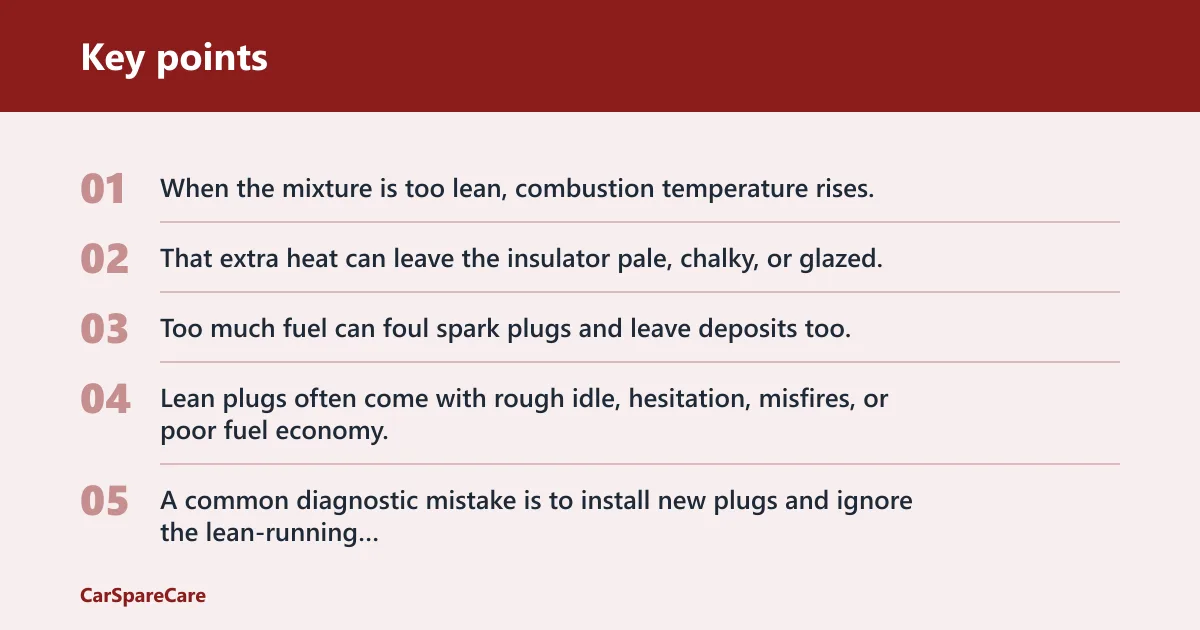
When the mixture is too lean, combustion temperature rises. That extra heat can leave the insulator pale, chalky, or glazed, and it can shorten electrode life. Too much fuel can foul spark plugs and leave deposits too, but that usually creates dark carbon, not a white firing tip.
Lean plugs often come with rough idle, hesitation, misfires, or poor fuel economy. A common diagnostic mistake is to install new plugs and ignore the lean-running condition that caused them to overheat in the first place. If the mixture is still wrong, the new plugs can look the same after a short drive.
Fuel trim, vacuum leaks, or injector faults
Start with the fuel side. If all plugs look pale, check fuel trims, vacuum leaks, and injector performance before blaming the plugs. A stuck injector, a split intake boot, or unmetered air can push one cylinder or the whole engine lean. The plug colour is the clue; the air-fuel fault is the cause.
Suppose your 4-cylinder engine shows white tips on all four plugs after a long highway trip, along with a slight surge at steady speed. That pattern points toward a global mixture or timing issue, not four bad plugs. The next checks should go to fuel delivery and air leaks first.
What a lean plug usually looks like
A lean plug often shows a dry, pale insulator with little soot. The electrode may look worn or sharp-edged from heat rather than dirty. If the deposit is white and chalky but not wet, lean running stays high on the list, especially when the same pattern appears on more than one cylinder.
Does a coolant leak make plugs white?
Yes. Coolant intrusion can leave white chalky or crystalline deposits on a spark plug, and white or grayish deposits can point to fouling or coolant leaks. If the residue is dry but crusty, especially with a sweet smell or unexplained coolant loss, think head gasket, intake gasket, or another path that lets coolant enter the cylinder.
White chalky or crystalline residue
Coolant residue does not look the same as lean heat damage. It often leaves a powdery white crust or small crystals on the insulator and threads. That pattern is different from a clean blistered tip, and it usually points you toward coolant testing rather than fuel trims alone.
Head gasket and coolant intrusion clues
Look for matching symptoms. White exhaust smoke, repeated coolant loss, a cooling system that builds pressure quickly, or one plug that looks much cleaner than the others all raise suspicion. If the plug from one cylinder is white and crusted while the rest look normal, that cylinder deserves special attention.
Picture a V6 where one plug comes out coated in white, chalky residue while the other five look light tan. That single-cylinder pattern makes a head gasket, intake gasket, or local coolant leak more likely than a global mixture fault. A compression test and a coolant test are the next sensible steps.
When to move to compression and coolant tests
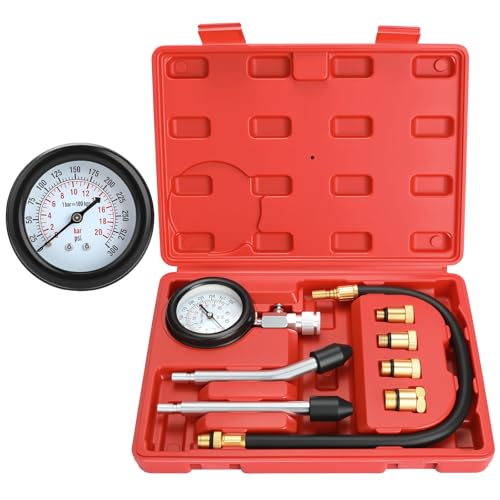
Use a compression test to rule out internal engine faults, and use a coolant test to confirm intrusion when white deposits appear. These checks separate plug damage from mechanical problems. If the cylinder loses compression, or if the cooling system shows signs of leakage into that hole, the plug colour is only the first clue.
Why is only one spark plug white?
One white plug usually points to a cylinder-specific fault rather than a general engine problem. That cylinder may have a lean injector, a vacuum leak near one runner, a compression problem, or an ignition issue that makes it run hotter than the others. The pattern across cylinders matters as much as the colour itself.
Cylinder-specific injector faults and air leaks
Start with the fuel and air path for that cylinder. A partly blocked injector, a cracked intake gasket near one port, or an air leak at one runner can create a lean condition in a single hole. The rest of the engine may still look normal, which is why comparing all plugs is so useful.
Compression loss in one cylinder
If one cylinder has lower compression, combustion can become uneven and the plug may show abnormal colouring or heat damage. That is why a compression test belongs in the chain when one plug looks very different from the others. The fault may be inside the engine, not in the plug itself.
When timing or ignition issues affect one hole
Ignition faults can also show up as one abnormal plug, especially when a coil, wire, or terminal issue causes repeated misfire. Misfire-related wear can burn or erode the electrode and leave the plug looking tired without matching damage on the others. A spark tester helps confirm whether that cylinder is producing spark correctly.
What else can overheat a plug?
Advanced or incorrect ignition timing can overheat a spark plug and may leave it white or blistered. Wrong plug heat range and incorrect spark plug gap can add to the problem. If the plug looks heat damaged, do not stop at replacement. Check what made it run hot in the first place.
Advanced or incorrect ignition timing
When timing is too advanced, combustion starts too early and the plug can absorb more heat than it should. That can leave the insulator glazed or blistered and can damage the electrode. If the plug looks burned but the fuel system is normal, timing becomes a strong suspect.
Wrong heat range plug
A plug that runs too hot for the engine can create a white, glazed tip even when the rest of the system is healthy. That is why plug part number and heat range matter. A replacement that matches the engine specification is safer than a generic match by thread size alone.
Incorrect spark plug gap
Check the spark plug gap against the manufacturer specification whenever you inspect the plug. A gap that is too wide can make firing harder and can aggravate misfires. A gap that is too tight can also affect combustion quality. Either way, gap checking belongs beside visual inspection, not after it.
What to do next after a white plug
Follow the test order that matches the pattern. Start with mixture checks, then move to spark, compression, and coolant testing as needed. That order helps you avoid swapping parts at random. Replacing the plug alone will not fix a lean condition, coolant leak, or timing fault.
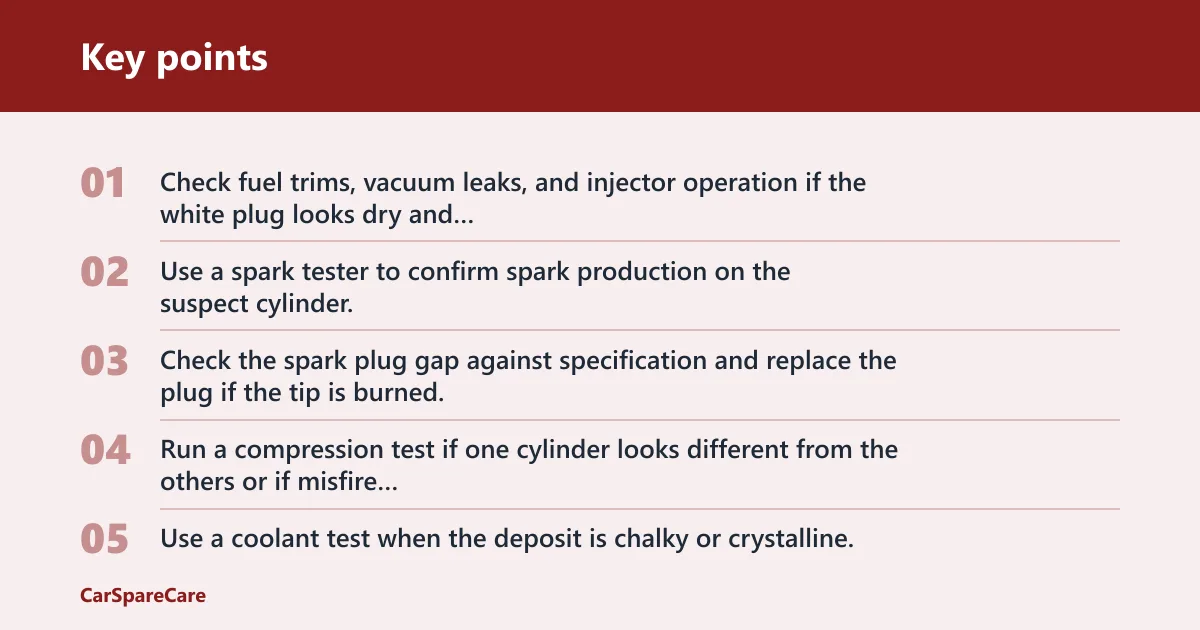
- Check fuel trims, vacuum leaks, and injector operation if the white plug looks dry and heat-related.
- Use a spark tester to confirm spark production on the suspect cylinder.
- Check the spark plug gap against specification and replace the plug if the tip is burned, melted, or eroded.
- Run a compression test if one cylinder looks different from the others or if misfire persists.
- Use a coolant test when the deposit is chalky or crystalline, or when coolant loss points toward intrusion.
Confirm spark with a spark tester
A spark tester is recommended to confirm spark production. That helps separate a weak ignition event from a fuel or compression fault. If spark is weak or absent on the white plug cylinder, the plug may be a symptom rather than the cause.
Check gap against specification
Measure the gap and compare it with the vehicle specification, not with a guess. The wrong gap can change firing quality and can make a borderline engine problem look like a bad plug. If the plug is also heat damaged, gap and operating conditions both deserve attention.
Run a compression test
Compression and coolant tests are used to rule out other engine faults. Compression helps show whether the cylinder can seal and build pressure normally. A low reading shifts suspicion toward rings, valves, or head gasket problems rather than plug wear alone.
Confirm coolant intrusion with a coolant test
If the plug has white chalky or crystalline deposits, a coolant test helps confirm whether coolant is entering the cylinder or losing pressure elsewhere. That matters because a coolant leak can keep whitening plugs no matter how many new ones you install.
How do I tell white ash from blistering on a spark plug?
White ash is usually dry, powdery, and light on the insulator. Blistering is a heat damage pattern that can make the porcelain look glazed, pitted, or bubbled, and the electrode may look burned or melted. Ash points more toward residue or contamination. Blistering points more toward overheating.
Look at the whole tip, not one spot. Dry white ash can sit on top of a still-intact insulator. Blistering changes the surface itself. If the electrode is burned, melted, or badly eroded, the plug has crossed from simple deposit territory into damage territory.
Frequently asked questions
What causes spark plugs to burn white?
White plugs usually come from heat, a lean air-fuel mixture, advanced ignition timing, or coolant intrusion. Healthy plugs are usually light tan or grayish-white, so a white tip means you should inspect the insulator, electrode, and threads before replacing parts.
Why do spark plugs burn white?
They burn white when combustion runs hotter than normal or when coolant leaves residue on the plug. Lean running raises temperature, and incorrect timing can add more heat. White chalky or crystalline deposits point you toward contamination, not just wear.
What does it mean when spark plugs turn white?
It means the plug has seen an abnormal condition that needs diagnosis. Dry white ash suggests heat or mixture trouble. A wet white crust suggests coolant. One white plug points to a cylinder-specific fault. All white plugs point more toward a system-wide issue.
What colour should a spark plug burn?
A healthy spark plug should look light tan or grayish-white. That colour usually means the cylinder is burning normally and the plug is not showing obvious heat damage, coolant residue, or oil fouling. Dark black or wet deposits point to a different fault.
Can a lean air-fuel mixture make spark plugs white?
Yes. A lean mixture can make the plug run hot and leave a pale, dry, or chalky tip. It can also erode the electrode. Check fuel trims, vacuum leaks, and injectors first, then confirm spark and compression if the plug still looks abnormal.
Does coolant leaking make spark plugs white?
Yes. Coolant intrusion can leave white chalky or crystalline deposits on the insulator and threads. That pattern often calls for compression and coolant tests, especially if one plug looks much cleaner than the others or coolant level keeps dropping.
What causes spark plugs to turn white
White plugs usually turn that colour because of overheating, lean combustion, coolant residue, or ignition timing problems. The fastest way to sort them is to compare every cylinder, then check fuel delivery, spark production, compression, and coolant intrusion in that order.

Hi, I’m Melvin, an automobile engineer with extensive experience in automobile equipment. I currently work for a local automobile firm, where I specialize in the car parts industry. I’ve had the opportunity to collaborate with seasoned inspectors, gaining invaluable hands-on experience that goes beyond just theory.
My passion for automotive care started at a young age, which led me to create CarSpareCare. Through CarSpareCare, I share the knowledge and skills I’ve acquired over the years to help others navigate the world of car maintenance and repairs.
My goal is to provide practical tutorials, essential safety advice, and the latest industry insights so that anyone—whether a beginner or an expert—can confidently tackle their automotive projects.