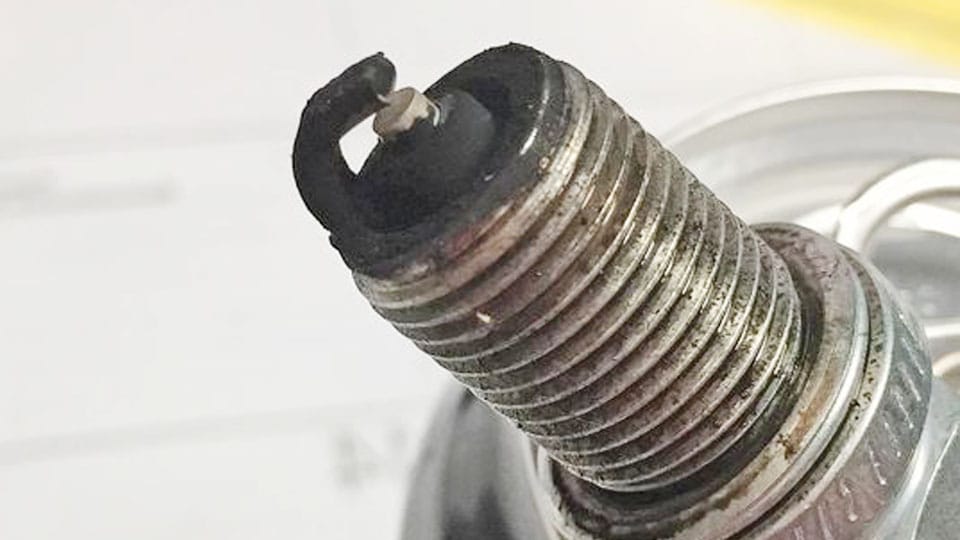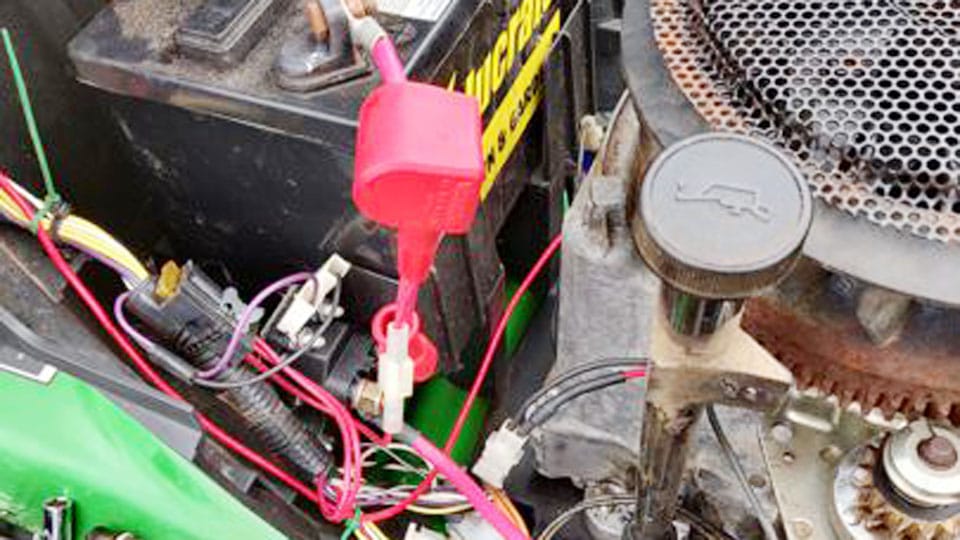
The main trade-off is range versus control. Spark plugs sit in a low torque band, so a wrench that reads clearly near the bottom of its scale matters more than a large maximum number.
Quick comparison
| Product | Badge | Best for | Price | ||
|---|---|---|---|---|---|
 | HERONIX 3/8-Inch Drive Click Torque WrenchHERONIX | Our pick | $18.52 Price as of 5 Nov 2026 | View | |
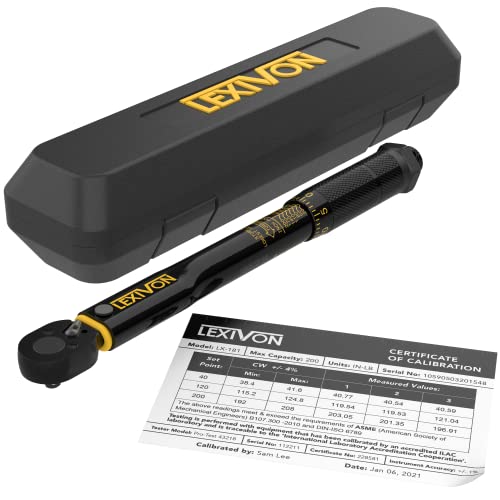 | LEXIVON Inch Pound Torque Wrench 1/4-Inch DriveLEXIVON | Also great | 1/4-Inch Drive · 20–200 in-lb · Dual-range | $37.97 Price as of 5 Nov 2026 | View |
 | GEARWRENCH 1/2" Drive Micrometer Torque Wrench 30-250GEARWRENCH | Also great | $148.95 Price as of 5 Nov 2026 | View | |
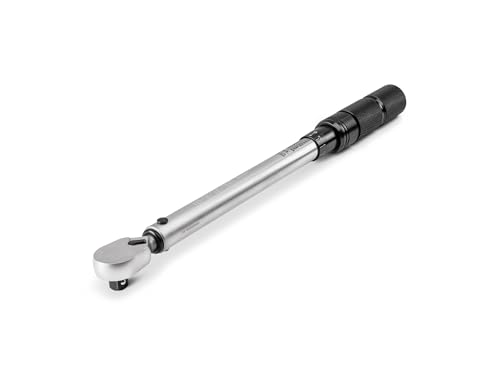 | TEKTON 3/8 Inch Drive Micrometer Torque WrenchTEKTON | Also great | $110.00 Price as of 5 Nov 2026 | View |
Drive size matters too. Smaller drives usually fit recessed plug wells better, while larger drives can feel awkward around coil packs, valve covers, and narrow access tubes. Extra extensions or wobble joints can also make the setup less direct, so keep the tool as straight as the engine bay allows.
How we chose
We reviewed the tools on four spark-plug-specific criteria: low-range accuracy, drive size, torque span, and how well each size fits recessed plug wells.
Also check calibration support and whether the published range places common spark plug specs in the middle of the scale instead of near the low end, when possible.
Finally, we weighed practical fit. A wrench can be accurate on paper and still be the wrong shape for a deep plug well.
LEXIVON 1/4-inch drive: best for low-range plug specs
The LEXIVON 1/4-inch drive wrench is the best fit here for spark plugs that sit in a low torque band, especially smaller-thread plugs and many M14 applications where a narrower range helps you read the setting clearly. Its 20–200 in-lb span works well when you want a tool that stays close to spark-plug territory instead of starting too high.
What stands out is the published pre-calibration to ±4% and the dual-range scale. Based on the listed specs, that combination makes it easier to set a precise low value in inch-pounds or Newton-meters without working at the edge of the wrench’s range.
The drawback is simple: this is not a do-everything truck wrench. If you also need higher fastener torque for wheel lugs or suspension work, you will want a separate larger tool.
TEKTON 3/8-inch drive: best for general maintenance
The TEKTON 3/8-inch drive wrench makes sense if you want one tool that can cover spark plugs and a wider span of routine maintenance. Its roughly 10–100 ft-lb range covers many general jobs, and the calibration certificate can be useful when repeatability matters.
For spark plugs, the trade-off is range placement. Common plug torques are often much lower than the middle of a general-purpose wrench, so you need to avoid working too close to the bottom end where fine adjustments matter most.
The honest drawback is that this is less ideal than a low-range wrench for tiny spark-plug values. It can still work, but it is not the most focused choice for delicate aluminum-head plugs.
HERONIX 3/8-inch drive: best budget pick
The HERONIX 3/8-inch drive wrench is a budget-friendly option in this group. Its roughly 5–50 ft-lb range and dual scale make it suitable for spark plugs, motorcycles, and general car maintenance, and the loud click can help when a clear stop signal is useful.
It is a practical choice if you want one inexpensive wrench for occasional spark plug work and you are already comfortable reading ft-lb and Nm. The 72-tooth head is also helpful where handle swing is limited.
The drawback is the same one common to many budget general-purpose wrenches: the range is not especially spark-plug-specific. That means you need more care when the required torque is near the lower end of the scale.
GEARWRENCH 1/2-inch drive: best for larger fasteners
The GEARWRENCH 1/2-inch drive wrench is built for larger fasteners, not spark plugs. Its 30-250 ft/lbs range sits far above the low torque band that most spark plugs need, so it is a poor match for precision plug installation.
It can still be useful if you are buying a broader workshop wrench and you also handle lug nuts, suspension hardware, and other high-torque jobs. For spark plugs, though, the scale starts too high and the drive size is more than you need.
The drawback is direct: this is not the right tool for the job if spark plug installation is the priority.
Spark plug torque selector table
The right wrench depends on plug size, seat type, head material, and whether the well is recessed. Spark plugs do not share one universal torque number.
| Vehicle type | Typical spark plug torque range | Recommended wrench drive size | Ideal wrench type | When to choose a low-range tool versus a general-purpose wrench |
|---|---|---|---|---|
| Modern passenger car with aluminum head, 14 mm flat-seat plug | 20-30 Nm | 1/4-inch or 3/8-inch | Low-range digital or low-range click | Choose a low-range tool when the spec is near the bottom third of a general wrench. |
| Older passenger car with cast iron head, 14 mm flat-seat plug | 35-40 Nm | 3/8-inch | Click or beam | Choose a general-purpose wrench only if its useful range still places the spec away from the bottom edge. |
| Small-engine equipment with 10 mm plug | 10-15 Nm | 1/4-inch | Low-range digital or beam | Choose a low-range tool because these values are easy to overshoot with a bigger wrench. |
| Motorcycle or small-engine application with 12 mm plug | 15-25 Nm | 1/4-inch or 3/8-inch | Click or digital | Choose a low-range tool if the plug spec sits below the middle of a standard wrench. |
| Deep plug well with recessed access tube | Depends on engine spec | 1/4-inch or compact 3/8-inch | Compact click or digital | Choose the smaller drive when socket clearance matters more than maximum torque capacity. |
| 14 mm taper-seat plug | 9-20 Nm | 1/4-inch | Low-range digital or beam | Choose a low-range tool; the lower end is too fine for a broad general-purpose wrench. |
Which one should you buy?
Buy a low-range digital wrench if you work on modern aluminum-head engines and want the clearest readout in the common spark-plug torque band. That style is the cleanest match when the spec is close to the low end of a tool’s scale, especially around M14 plugs.
Buy a click wrench if you want one tool for spark plugs and regular maintenance. A click wrench signals at a preset level, so it is easy to use, but you still need to stop turning when it clicks and make sure it covers your plug spec comfortably, not only at the bottom edge.
Buy a beam wrench if you only need an occasional backup and you want a simple, easy-to-check tool. Beam wrenches are straightforward, but they are less convenient in cramped engine bays and require you to watch the pointer while you turn.
Choose smaller drive sizes for recessed plug wells. A 1/4-inch drive often fits better in tight wells, while a 3/8-inch drive gives more general utility if there is enough room for the socket and extension.
Do you need a torque wrench for spark plugs?
Yes, whenever possible. DENSO says spark plug installation should use a torque wrench whenever possible, and that advice fits the basic goal here: tighten to the vehicle service manual spec, not a generic number. Correct torque helps prevent leaks, misfires, and thread damage.
It also matters because spark plug torque changes with thread size, seat type, and cylinder head material. A 14 mm flat-seat plug in aluminum does not use the same torque as the same plug in cast iron, and lubricated threads change the target again.
What size torque wrench do I need for spark plugs?
For most spark plug work, the best fit is a 1/4-inch or 3/8-inch drive wrench. Those sizes usually suit the low torque band better than a larger 1/2-inch wrench, and they are easier to handle around plug sockets, extensions, and recessed wells.
If you are choosing between the two, pick the smaller drive when access is tight. Pick 3/8-inch when the plug wells are open enough and you want more overlap with general automotive work.
What size torque wrench do I need for spark plugs on a car?
On a car, 3/8-inch drive is the most common all-around choice, but 1/4-inch is often better for deeply recessed plugs and smaller torque values. The right answer depends on the engine bay, not just the car badge.
Also check the socket size. Common spark plug hex sizes include 5/8 inch (16mm) and 13/16 inch (21mm), and some tools or accessories use 14mm, 16mm, or 21mm compatibility for plug wells and sockets.
What torque should spark plugs be tightened to?
The correct torque is the manufacturer service spec for that exact plug and engine, not a universal number. The same source lists 14mm flat-seat spark plugs at 20-30 Nm for aluminum heads and 35-40 Nm for cast iron heads, which shows how much the head material changes the target.
DENSO also lists 10mm flat-seat plugs at 10-15 Nm, 12mm flat-seat plugs at 15-25 Nm, 18mm flat-seat plugs at 38-46 Nm for aluminum heads, and 14mm taper-seat plugs at 9-20 Nm. Use the plug maker and vehicle manual together.
Do spark plug torque values change for aluminum heads?
Yes. Aluminum heads generally need lower torque than cast iron heads because the material is more delicate and thermal expansion changes clamping load. That is why the same 14 mm flat-seat plug can be 20-30 Nm in aluminum but 35-40 Nm in cast iron.
This is also why guessing by feel is risky. Over-tightening can distort the plug housing and damage the engine, while under-tightening can leave the plug loose enough to leak or misfire.
Is a click torque wrench good for spark plugs?
Yes, a click torque wrench is a good choice for spark plugs if its range fits the job. It signals at a preset level, which is useful when you want a clear cue instead of watching a scale while you work.
For spark plugs, the key is low-range fit. A click wrench should place the plug spec in the middle third of its usable range when possible, though that is a rule of thumb rather than a strict requirement.
Can I install spark plugs without a torque wrench?
Yes, but only as a backup. The same source recommends finger-tightening the spark plug first, then using the wrench if you have one. Without a torque wrench, DENSO says to tighten about 1/4 to 1/2 turn after the plug seats, depending on plug type and instructions.
That method is less precise than a torque wrench, so it should not be the main plan. Use it only when the proper tool is unavailable, and stop as soon as the plug seats and the specified turn count is reached.
Start with a clean threaded area in the cylinder head. The same source says the threaded area must be clean, and a dirty thread can change friction enough to make the torque reading misleading.
- Confirm the exact plug spec in the vehicle service manual.
- Thread the plug in by hand first to avoid cross-threading.
- Attach the correct spark plug socket and extension if needed.
- Set the wrench to the specified torque.
- Tighten slowly until the wrench clicks, signals, or reaches the mark.
Do not treat anti-seize as a default step. If threads are lubricated, DENSO says required torque often drops, sometimes by roughly one-third, depending on plug maker guidance and the lubricant used.
Common torque ranges by plug size and seat
Thread size and seat design change the number. That is why 10 mm, 12 mm, 14 mm, and 18 mm plugs do not share one target, and why flat seat and taper seat plugs are not interchangeable on torque alone.
For a common reference point, DENSO lists 14 mm flat-seat spark plugs at 20-30 Nm for aluminum heads and 35-40 Nm for cast iron heads, while 14 mm taper-seat plugs are listed at 9-20 Nm. Those ranges are not generic guesses; they are plug- and material-specific.
Say your 14 mm aluminum-head plug is recessed under the coil pack. A compact 1/4-inch wrench with a 5/8 inch socket and extension is usually easier to fit than a larger wrench, even if both can reach the torque target.
Suppose you are replacing small-engine plugs with 10 mm threads. A low-range wrench matters more than a bigger drive because 10-15 Nm is easy to overshoot with a tool that is better suited to higher fastener loads.
Failure checklist after installation
If the plug is too tight or too loose, the signs often show up quickly. A short post-install check can catch a problem before it becomes a damaged thread or a misfire.
- Rough idle or a fresh misfire after the install.
- Compression leak noise around the plug area.
- Visible movement at the plug or coil seat after startup.
- Stripped threads during removal.
- Cracked plug porcelain or distorted plug housing.
If any of these appear, stop and inspect the plug, seat, and threads before running the engine further. A damaged head thread can turn a simple plug change into a repair job.
Choose LEXIVON if… / TEKTON if…
Choose LEXIVON if your main goal is spark plug work in a low torque band and you want the clearest control in inch-pounds. Its 1/4-inch drive and 20-200 in-lb range suit smaller plug specs and tight wells.
Choose TEKTON if you want one wrench that can cover plugs and a broader spread of general maintenance. Its 3/8-inch drive is more versatile, but you should be careful when a plug spec sits near the low end of its range.
Frequently asked questions
Which torque wrench type is best for spark plugs?

Hi, I’m Melvin, an automobile engineer with extensive experience in automobile equipment. I currently work for a local automobile firm, where I specialize in the car parts industry. I’ve had the opportunity to collaborate with seasoned inspectors, gaining invaluable hands-on experience that goes beyond just theory.
My passion for automotive care started at a young age, which led me to create CarSpareCare. Through CarSpareCare, I share the knowledge and skills I’ve acquired over the years to help others navigate the world of car maintenance and repairs.
My goal is to provide practical tutorials, essential safety advice, and the latest industry insights so that anyone—whether a beginner or an expert—can confidently tackle their automotive projects.