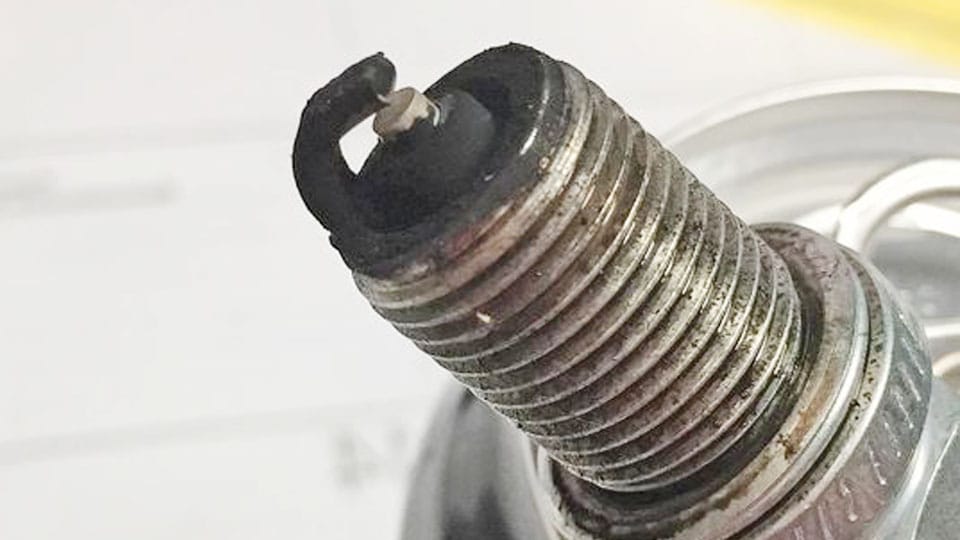
For most DIY car owners, the best spark plug gap tool is a feeler gauge set for precision, plus a wire or coin-style gap tool for quick checks; use the thinnest tool that matches the plug spec. A wrong gap can make starting hard, trigger misfires, waste fuel, and wear plugs early. This guide compares tool types by plug material, accuracy needs, and how often you service your engine.
Quick comparison
| Product | Badge | Best for | Price | ||
|---|---|---|---|---|---|
 | Mutt Tools Feeler Gauge Set Metric and Inch for ValvesMutt Tools | Our pick | 32 blade · metric/SAE · feeler gauge | $13.99 Price as of 5 Nov 2026 | View |
 | Spark Plug Gap Tool,Coin-Style Zinc Alloy Spark Plug Gappervvag | Budget pick | coin-style · 0.020–0.100 in · zinc alloy | $4.99 Price as of 5 Nov 2026 | View |
 | Torque Solution Precision Spark Plug Gap Tool for 14mmTorque Solution | Also great | precision · 14mm · spark plug gap tool | $34.19 Price as of 5 Nov 2026 | View |
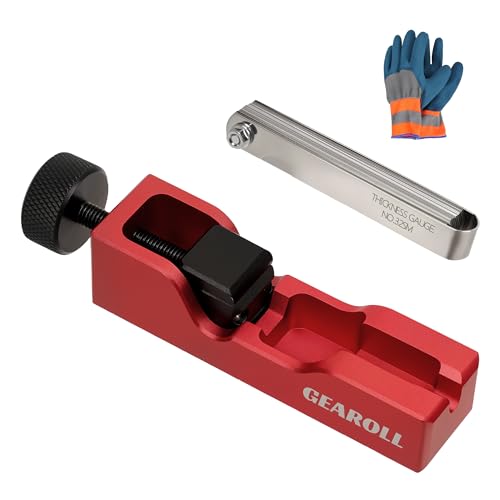 | GEAROLL Spark Plug Gap Tool with 32 Blade Steel Feeler GaugeGEAROLL | Pair with it | 32 blade · most plug sizes · red | $16.99 Price as of 5 Nov 2026 | View |
 | Lisle 67870 Spark Plug Gauge Gap ToolLisle | Also great | tapered edge · spark plug gapper · single tool | $7.56 Price as of 5 Nov 2026 | View |
Use this chart to separate precision tools from convenience tools. The right pick depends on whether you are verifying a gap, adjusting it, or doing both on modern plugs with fragile electrodes.
The core trade-off is simple: a feeler gauge set gives the best verification, while adjustable and coin-style tools make home adjustment faster. Wire-style tools are usually the safer pick for delicate plugs, and the right answer also depends on your plug size and how often you work on engines.
How we chose
We compared each tool type on five factors that matter for home maintenance: accuracy, electrode safety, speed, cost, and fitment. Also check readability, portability, and whether the tool suits one-off use or repeat service.
Compatibility mattered too. Spark plug sizes vary, and common thread sizes include 10mm, 12mm, 14mm, and 16mm; some tools exclude 18mm plugs, so the tool has to match both the vehicle spec and the plug style.
Finally, we weighed the failure cases. A useful tool can still misread the gap, bend an electrode, or be a poor match for iridium and platinum plugs that often need little to no adjustment.
Gap tool decision matrix
| Tool type | Accuracy | Electrode safety | Speed | Cost | Best-fit use case | Choose this if… |
|---|---|---|---|---|---|---|
| Wire spark plug gap tool | High for verification; better than coin-style for modern plugs | High, especially on delicate electrodes | Fast for checks | Low to moderate | Modern daily drivers, iridium/platinum plugs, repeated checks | You want a DIY-friendly tool that balances accuracy and safety. |
| Blade feeler gauge | Highest for precise verification | Good with care; wire types are preferred for fragile tips | Slower than gapper tools | Low | Final checking and precision work | You need a measurement-first tool and do not mind a slower process. |
| Universal adjustable spark plug gap tool | Good, but final check matters because of spring-back | Moderate to high if used carefully | Fastest for adjustment | Moderate | DIY owners who service multiple vehicles and want one tool | You want convenience and work on more than one plug size. |
| Coin-style gapper | Moderate for quick checks; weaker than wire tools for modern plugs | Moderate | Fast | Very low | Simple home checks on common plugs | You need a cheap, compact tool for occasional use and can verify carefully afterward. |
Wire feeler gauge: best for precision
For precision verification, a feeler gauge set is the strongest baseline choice. Feeler gauges can measure gaps from 0.015 to 0.060 inches, and wire-type blades are preferred when the spark plug has delicate electrodes.
This Mutt Tools set fits that role well because it combines metric and SAE markings, straight and angled gauges, and a compact format that slips into a toolbox. The main drawback is speed: a blade set is more deliberate than a gapper tool, so it suits careful checking more than quick adjustments.
Use this when the manual lists a specific gap in thousandths of an inch and you want the final number checked, not guessed. If you only service one car now and then, this is the most defensible precision tool to own first.
Blade feeler gauge: best for broad checking
A blade-style set is the practical middle ground for DIY owners who want one tool that can check and help set common plug gaps. This GEAROLL kit supports most 10mm, 12mm, 14mm, and 16mm thread plugs, and the included 32-blade gauge adds useful range for other gap checks too.
The advantage is convenience. Clear size markings help speed up work and reduce misreads, and the tool format is easy to pack in a glovebox or small tool roll.
The drawback is the same one that affects most blade sets: on fragile electrodes, a flat blade can be less friendly than a wire gauge if you are careless. It is a good choice, but not the safest one for every precious-metal plug.
Universal adjustable gapper: best for DIY speed
An adjustable universal gapper is the fastest option for many home users because it combines setting and adjustment into one tool. The trade-off is fitment: this Torque Solution tool is built for 14mm threaded spark plugs, so it is not a universal answer for every vehicle.
That narrower fit can be a strength if your engine uses 14mm plugs and you want a dedicated tool with a precision focus. For a one-car garage, that can make sense.
The drawback is flexibility. It will not solve compatibility problems for other thread sizes, and like most adjustable tools, it still needs a final verification step because electrode spring-back can change the finished gap.
Coin-style gapper: best for simple checks
A coin-style gapper is the cheapest and most compact option, and it can work for a quick home check on common plugs. This vvag tool has inch and millimeter markings and a small zinc alloy body that is easy to toss in a tool bag.
That said, this is the weakest choice for modern fine-wire plugs. Coin-style tools are convenient, but they are less accurate than wire-type tools for modern plugs, and they are not the best match for delicate iridium or platinum electrodes.
If you buy one, use it as a quick checker, then confirm the result with a feeler gauge. Do not rely on it alone when the manual calls for a precise setting.
Universal adjustable spark plug gap tool: best for one-tool convenience
This Lisle tool is aimed at DIY users who want simple adjustment without a full kit. It is built to avoid pressure on the center electrode, and that matters because careless force is one of the easiest ways to damage a plug.
It is a strong fit for basic home maintenance on compatible plugs, especially if you want one tool for quick touch-ups. The main drawback is that it is not a precision verification tool by itself, so you still need a gauge for the final check.
Use it as an adjuster, not a substitute for measurement. That distinction matters more on modern engines where the correct gap is often checked within thousandths of an inch.
Do you need a wire gauge or a feeler gauge?
For most DIY owners, a wire spark plug gap tool is the better choice when the plug is modern or delicate, while a blade feeler gauge is the precision-check option. Wire gauges are generally friendlier to fragile electrodes, and feeler gauges remain the most direct way to verify the final gap.
What each tool does differently
A feeler gauge measures the opening directly with blades or wires. A wire spark plug gap tool is often better for modern plugs than a coin-style tool because it helps you check the gap without pressing hard on the electrode.
Which one is better for delicate electrodes?
Wire-type feeler gauges are preferred for delicate spark plug electrodes. That matters for iridium and platinum plugs, which often need little to no adjustment and should be handled carefully.
When a cheap blade set is enough
A low-cost blade set is enough if you need occasional verification on common plugs and you will still re-check the gap after adjustment. It is less attractive if you service engines often or work on fine-wire plugs that deserve gentler handling.
Universal adjustable gapper: best for DIY speed
Universal adjustable gap tools are convenient when you want to set gaps quickly on more than one plug type. Many support 10mm, 12mm, 14mm, and 16mm plugs, but some exclude 18mm plugs, so the tool has to match the vehicle and the plug style before you buy.
What sizes it usually fits
Look for the listed thread sizes first. If your vehicle uses a plug size outside that range, the tool may not fit or may not seat correctly.
How to account for spring-back
Electrode spring-back can matter after adjustment. A practical method is to set the gap slightly smaller first, then re-check with a gauge and adjust in small steps until the final reading matches spec.
Where it beats a basic coin-style tool
An adjustable gapper is better than a coin-style tool when you want repeatable adjustment and quicker setup. It is also more useful if you service multiple vehicles and want one tool that speeds up the job.
What size gap tool fits your plugs?
The right tool size starts with the plug spec, not the package. Common spark plug thread sizes include 10mm, 12mm, 14mm, and 16mm, and some tools exclude 18mm plugs, so you need to match the vehicle manual or under-hood sticker before choosing a tool.
Common spark plug thread sizes
Many DIY tools cover 10mm, 12mm, 14mm, and 16mm plugs. If your engine uses something else, check the tool listing carefully instead of assuming it fits.
Why some tools skip 18mm plugs
Some adjustable tools are not built for 18mm threads. That limitation matters because a tool that looks universal can still be the wrong fit for your engine.
How to match the tool to the vehicle spec
Start with the owner’s manual or under-hood sticker, then confirm the plug size and the specified gap. The correct gap is often listed in thousandths of an inch, and it should be matched exactly rather than estimated.
Coin-style gapper: best for simple checks
Coin-style gappers are useful when you want a compact, low-cost tool for a quick home check. They are easy to carry and often have clear inch and millimeter markings, which helps when you are moving between measurement systems.
Where it falls short on accuracy
Coin-style tools are not the most accurate choice for modern plugs. Their shape and adjustment style make them less suitable than a wire spark plug gap tool when the target gap is tight and the electrode is delicate.
When it is acceptable for a quick home check
It is acceptable when you need a fast sanity check and you will verify the result with a better gauge afterward. That makes it useful for older, common plugs, but less ideal for finicky modern engines.
Why it is a weak choice for iridium plugs
Iridium and platinum plugs often need little to no adjustment, and their fine tips are easier to damage. A coin-style tool can be too rough a first choice for that job.
Which one should you buy?
Choose based on how often you service engines, how precise the plug spec is, and whether you are working with delicate electrodes. A cheap tool can be enough for a one-off check, but precision is worth paying for if you service multiple cars or deal with modern fine-wire plugs.
Best choice for one-off maintenance
Buy a feeler gauge set if you want the best balance of cost and precision. If you want the cheapest workable backup, a coin-style gapper can help with a quick check, but it should not be your only verification tool.
Best choice for frequent DIY work
Pick a wire spark plug gap tool or an adjustable universal gapper if you service engines often. A universal tool is faster for adjustment, while a wire gauge is better for final verification.
Best choice for iridium and platinum plugs
Choose a wire gauge or a careful feeler gauge check, then adjust only if the spec demands it. These plugs often need little to no adjustment, so avoid aggressive bending and always re-check the final gap.
Best choice on a tight budget
Start with a basic feeler gauge set if you want the most useful low-cost option. It gives you a precision reference, while a coin-style tool is better treated as a convenience tool than a final authority.
Basic buying checklist
- Check the vehicle manual or under-hood sticker for the correct gap.
- Confirm the plug thread size: 10mm, 12mm, 14mm, 16mm, or another fit.
- Prefer inch and millimeter markings that are easy to read.
- Look for a compact design that fits your toolbox or glovebox.
- Choose wire-type tools when you are working around delicate electrodes.
- Plan to verify the final gap after any adjustment, especially with adjustable tools.
How to gap spark plug
First, check the spec on the manual or under-hood sticker. Then measure the plug with the right tool, adjust gently if needed, and re-check after the electrode settles. A common first-timer mistake is to force the gap wider in one step, then assume the first reading will stay put.
Say your engine calls for a gap in thousandths of an inch and the plug reads a little tight. Set it slightly smaller than target, let the electrode rebound, and measure again. That repeatable final-check process matters because spring-back can change the finished result.
Frequently asked questions
What is the best spark plug gap tool for DIY maintenance?
For most DIY car owners, the best all-around choice is a feeler gauge set, with a wire spark plug gap tool as a strong companion for quick checks. The feeler gauge is best for precise verification, while the wire tool is friendlier for modern plugs and easier to use often.
Do I need a wire spark plug gap tool or a feeler gauge?
If you only want one precision tool, choose a feeler gauge set. If you work on modern or delicate plugs, a wire spark plug gap tool is a safer companion for quick checking, especially when the electrodes need careful handling.
How do I know if a spark plug gap tool is accurate enough?
It is accurate enough if it matches the gap spec from the manual or under-hood sticker and lets you verify the setting consistently. Look for clear inch and millimeter markings, a snug but not forced fit, and the ability to re-check after adjustment.
Which spark plug gap tool works best for iridium plugs?
Wire-type tools and careful feeler gauges are the safer choices for iridium plugs. These plugs often need little to no adjustment, so the best tool is one that lets you verify without putting heavy pressure on the electrode.
Can I use a coin-style tool to gap spark plugs at home?
Yes, but treat it as a quick-check tool, not the final authority. A coin-style gapper is compact and cheap, but it is a weaker choice than a wire tool for modern plugs and should be followed by a more precise verification step.
Is a pre-gapped spark plug still worth checking?
Yes. A spark plug gap tool is still recommended even if the plugs are sold as pre-gapped, because shipping, handling, and plug variation can change the actual gap. Always verify against the vehicle’s spec before installation.
How do I avoid damaging spark plug electrodes while gapping?
Use the thinnest tool that matches the spec, move in small steps, and avoid forcing the electrode. Wire-type tools are preferred for delicate electrodes, and iridium or platinum plugs deserve extra care because aggressive bending can damage the tip.

Hi, I’m Melvin, an automobile engineer with extensive experience in automobile equipment. I currently work for a local automobile firm, where I specialize in the car parts industry. I’ve had the opportunity to collaborate with seasoned inspectors, gaining invaluable hands-on experience that goes beyond just theory.
My passion for automotive care started at a young age, which led me to create CarSpareCare. Through CarSpareCare, I share the knowledge and skills I’ve acquired over the years to help others navigate the world of car maintenance and repairs.
My goal is to provide practical tutorials, essential safety advice, and the latest industry insights so that anyone—whether a beginner or an expert—can confidently tackle their automotive projects.