A wheel bearing is more likely if the noise changes while turning and gets worse with speed, while a tire issue is more likely if the noise follows tread wear, cupping, or a flat spot. Ignoring the wrong cause can waste money and leave a real safety fault in place. Use sound, vibration, steering response, tread checks, and a few simple at-home tests to separate wheel bearings from tires.
Wheel and tire matrix
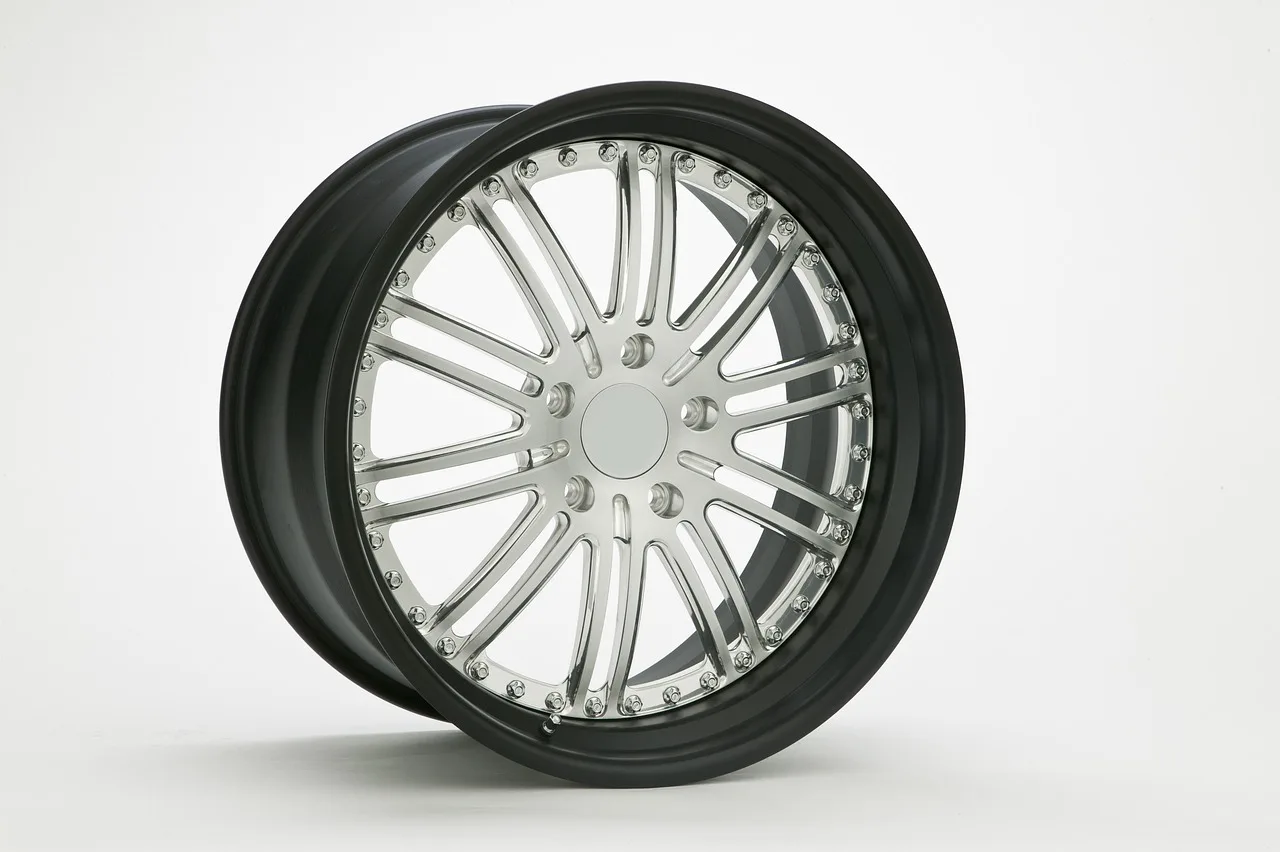


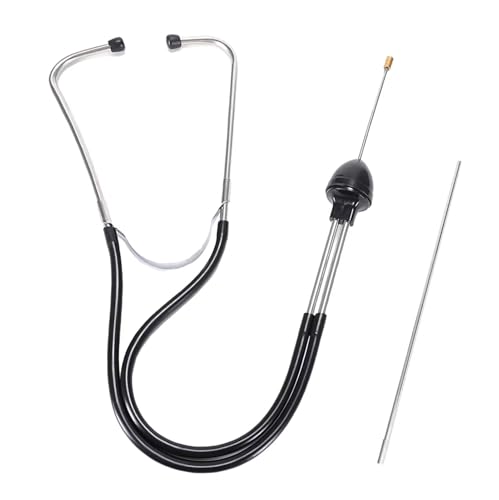
This matrix gives you the fastest split between the two common causes. Use it as a first pass, then confirm with tread depth, pressure, and a short road test. A wheel bearing supports the hub and lets the wheel rotate; when it wears, it can make a humming or growling noise and may create vibration that changes with load.
| Symptom | Most likely tire cause | Most likely wheel bearing cause | Next check |
|---|---|---|---|
| Humming | Cupped tread, uneven wear, or a flat spot | Low, steady hum that rises with road speed | Check tread depth and listen at a steady speed on smooth pavement |
| Growling | Severe tread irregularity or tire noise that changes with surface texture | Deeper growl that often changes when the car is loaded in a turn | Make a gentle left and right lane change at the same speed |
| Vibration at speed | Low pressure, imbalance, flat spot, or tire deformation | Vibration that stays tied to road speed and may come with hub noise | Check pressure, then inspect balance and tread wear |
| Noise when turning left/right | Tread noise may shift a little, but usually not strongly | Noise often changes when weight transfers to one side | Repeat the turn in both directions and note which side gets louder |
| Uneven wear | Alignment, rotation gaps, pressure errors, or worn suspension parts | Rare as a direct cause, but a failing bearing can add extra wear | Inspect wear pattern, then check alignment and wheel play |
| Steering pull | Pressure mismatch or alignment error | Usually not the main cause unless the bearing is badly worn | Compare tire pressures and look for pull after swapping lanes |
| Road-surface sensitivity | Noisier on coarse pavement, grooved asphalt, or certain textures | Often present on smooth and rough surfaces at the same speed | Repeat the same speed on two different road surfaces |
| Narrow-speed-range vibration vs all-speed hum | Imbalance often shows up in a narrow band, commonly at highway speed | More often a broad hum that tracks wheel speed across a wider range | Note whether the symptom disappears outside one speed band |
| After rotation symptom change | Noise or vibration moves with the tire position | Noise stays with the same corner after rotation | Rotate front-to-rear or swap sides if service history allows |
| Hot hub or wheel-play check | Usually no hub heat or looseness from the tire alone | Heat, roughness, or play at the wheel can point to bearing wear | Inspect the hub area after a short drive and check for looseness safely |
What does a bad wheel bearing sound like?
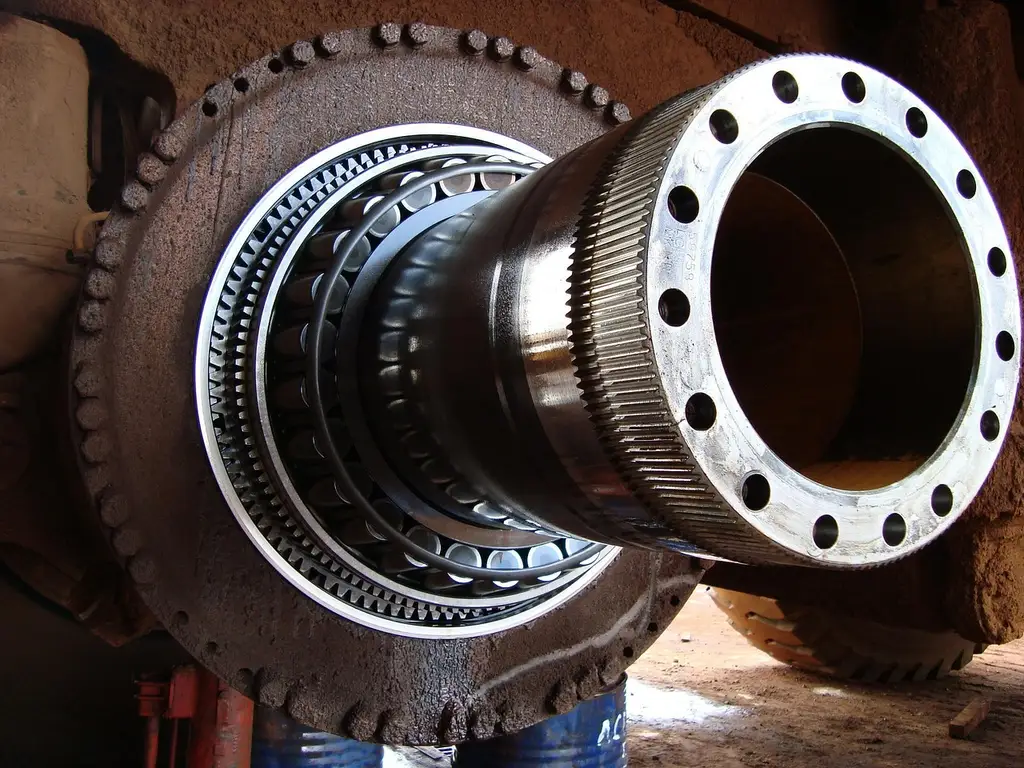
A bad wheel bearing often sounds like a humming, growling, or droning noise that rises with road speed. The sound may get louder when the vehicle is loaded to one side in a turn. Tire noise usually follows tread pattern and road surface more closely, while bearing noise tends to stay steadier.
Noise that changes with road speed
Noise tied tightly to vehicle speed is one of the strongest clues. A tire with uneven wear can also get louder as speed rises, but a worn bearing often keeps the same tone on different road surfaces. If the sound comes and goes with acceleration alone, that points away from a bearing and toward a tire or another rotating part.
Picture a front tire with cupping. It may make a rhythmic roar that gets sharper above city speeds. Now compare that with a bearing that creates a dull hum on smooth asphalt and stays present even when the pavement changes. The shape of the sound matters as much as the volume.
Why turning loads can change the sound
Turning shifts vehicle weight onto one side, which can load a worn bearing and make it louder. A right turn often loads the left side more, and a left turn often loads the right side more. If the noise gets louder in one direction and quieter in the other, a bearing moves higher on the list.
Tires can change sound in a turn too, but the change is usually smaller and less directional. A lane-change test helps because it adds lateral load without requiring a full corner. If the noise changes clearly when the car leans one way, that is more useful than one isolated rumble on a straight road.
Warning signs that mean urgent inspection
Get the wheel hub inspected quickly if the noise is getting worse, if the wheel area feels hot after a short drive, or if you feel looseness at the wheel. A neglected bearing can add stress to nearby parts and may lead to more damage. If the sound becomes a grind or the wheel has play, do not keep driving long distances.
Stop driving and get urgent inspection if you notice:
- A grinding noise that suddenly replaces the hum or growl
- Visible wheel looseness, wobble, or steering shimmy
- A hub or wheel that feels unusually hot after a short drive
- ABS or traction warning lights paired with bearing noise at one corner
- A symptom that becomes much louder in a turn or during lane changes
Could the tires be causing the noise or vibration?
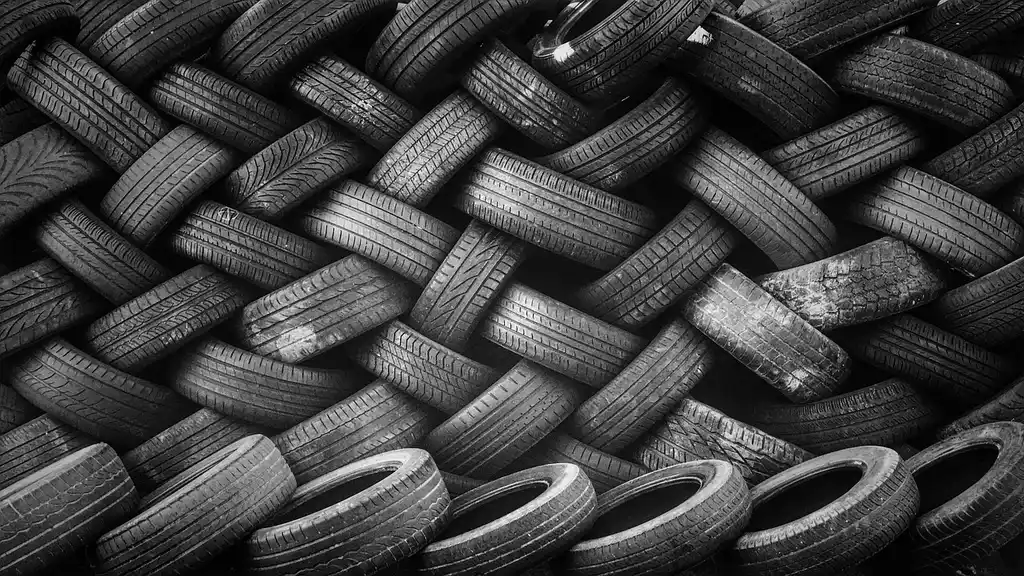
Yes. Tires are a common source of humming, vibration, and steering complaints, especially when tread is uneven, pressure is low, or a tire is out of balance. The most useful clue is whether the problem follows a specific wheel position. If it does, tires move up the list fast.
How tread wear creates rumble and vibration
Worn tread can make a tire sound rough or growl-like, especially if it is cupped or feathered. Low tread also reduces wet-road grip. As tread wears down, water can get between the tire and the road more easily, which raises hydroplaning risk and reduces contact with the road. The National Highway Traffic Safety Administration notes that tread helps channel water away, and the AAA Foundation has long emphasized that wet braking and handling decline as tread gets shallow.
Manufacturer guidance commonly points to replacement below 4/32 inch. At or below 2/32 inch, tires do not pass many state inspections, and New Hampshire is one example; check local rules for the inspection standard where you live. That does not mean every tire above 2/32 inch is fine for rain. Wet-weather safety drops before the legal minimum, which is why many drivers replace closer to 4/32 inch. NHTSA tire safety information and the AAA tire tread depth guidance both support replacing before tread reaches the legal floor for safer wet performance.
What low pressure can imitate
Check tire pressure every month and set it to the vehicle placard PSI. The proper tire pressure guidance is simple: use the placard number, not the sidewall maximum. Low pressure can mimic handling problems, cause vibration, and change the way a tire wears. A soft tire can also create a pull that looks like alignment trouble. That is why pressure comes before bigger repairs.
Say your front left tire is several PSI low and the car starts drifting slightly left with a mild shake at highway speed. That does not prove a bearing problem. Correct the pressure first, then repeat the drive on the same road and see whether the symptom stays.
When balancing is the likely fix
If the vibration starts after tire mounting or replacement, tire balancing is a likely next step. Balancing is different from alignment and different from bearing repair. It corrects weight imbalance in the wheel and tire assembly, which is why the shake often shows up at a narrow speed range.
Balancing does not repair a worn bearing, and alignment does not fix a balance problem. If the tire feels smooth at low speed but begins to shimmy at 55 mph, balance moves up the list. If the sound is a hum that changes with turning, a bearing check matters more.
Check tread depth and pressure first
Start with the basics before replacing a hub component. Measure tread depth and confirm pressure against the door placard. Those two checks solve many cases that sound more serious than they are. They also help you decide whether the car needs tire service, wheel alignment, or bearing inspection next.
- Check all four tire pressures when the tires are cold.
- Compare each tire to the vehicle placard PSI.
- Measure tread depth across the inner, center, and outer tread blocks.
- Look for cupping, feathering, flat spots, and one-sided wear.
- Repeat the road test after any correction.
Inspect first checklist:
- Tire pressure on all four corners
- Tread depth and wear bars
- Cupping, feathering, scalloping, or flat spots
- Recent rotation, balancing, or tire replacement history
- Any pothole or curb impact before the symptom started
- Heat, looseness, or roughness at the wheel hub
How to measure tread depth
Use a tread depth gauge if you have one. If not, inspect the wear bars and compare the tread across the tire. A tire can have one usable area and one worn edge, and that uneven wear can create noise. Check more than one point because a single spot can hide the real condition.
A tire size example such as P225/70-R15, 89H helps explain what you are looking at on the sidewall. In that example, 225 is the tire width in millimeters, 70 is the sidewall height as a percentage of tread width, and 15 is the wheel size in inches. That sidewall information does not diagnose a bearing, but it helps confirm you are working with the correct tire.
Why 2/32 inch means replacement
At or below 2/32 inch, a tire no longer passes many state inspections, and that includes the commonly cited New Hampshire standard. That is the legal floor, not the wet-weather comfort zone. Once tread is that shallow, hydroplaning risk rises because the tire cannot move water away as well. If the tread is close to that limit, tire service should move ahead of bearing replacement.
Why about 4/32 inch matters in rain
Manufacturer guidance commonly points to replacement below 4/32 inch. That matters because wet-road traction drops as tread wears. If a tire is near that range and the car also feels noisy or vague, do not assume the hub is to blame. Worn tires can create enough vibration and noise to confuse the diagnosis.
How to separate bearing problems from tire problems
Use a short isolation method instead of guessing. A steady-speed road test, a lane-change test, and a swap or rotation clue can separate the common causes. The goal is not to diagnose with one symptom. It is to see which behavior follows the wheel, the tire, or the load on the hub.
Speed test on a smooth road
Drive at a constant speed on a smooth road and listen carefully. If the noise rises and falls mostly with speed, note whether it also changes with road surface. Tire noise often changes more on coarse pavement. A bearing usually keeps a steadier tone across different surfaces at the same speed.
Lane-change and cornering test
Make gentle lane changes at the same speed. Then try a mild left turn and a mild right turn on a safe road. If the noise gets louder when weight shifts to one side and quieter the other way, the bearing on the loaded side becomes more suspicious. If the sound stays nearly the same, the tires move up the list.
Tire swap or rotation clues
If the noise moves with the tire after rotation, the tire is the better suspect. That is one reason tire rotation is part of normal wheel and tire service. If the same corner still makes the noise after the tire is moved, that points away from the tire and toward the hub, suspension, or brake area.
A common first-timer mistake is replacing a noisy front bearing before checking whether the front tires were simply worn unevenly. If the sound follows the tire position after a rotation, the repair path changes completely. That is how you avoid paying for the wrong part.
Road-surface and speed-pattern clues
A bearing fault usually sounds more consistent across pavement changes, while tire noise often gets louder on coarse asphalt or grooved concrete. Balance problems often show up in a narrower speed band, while a bearing can produce a broader all-speed hum. That pattern is one of the best differentiators when the noise is hard to describe.
When alignment or balance is the likely issue
Alignment and balance are different repairs, and both can overlap with bearing complaints. Alignment affects where the tires point and how they wear. Balance affects how smoothly the wheel and tire rotate. Neither one repairs a worn bearing, but either one can explain symptoms that sound similar at first.
Camber, caster, toe, and thrust angle
Camber, caster, toe, and thrust angle are the key alignment angles. If one is out, the car may pull, the steering wheel may sit off-center, or the tires may wear unevenly. That uneven wear can make a tire roar enough to sound like a bad bearing, which is why the wear pattern matters.
Why potholes and curb hits matter
Pothole or curb impacts can knock alignment out. After that kind of hit, a wheel may still roll but wear the tire unevenly and change steering feel. If the symptom started right after an impact, inspect alignment before assuming a wheel bearing failed. The timeline matters.
Hot hub and wheel-play checks
After a short drive, compare wheel temperatures carefully and look for one corner that is noticeably hotter than the others. If safe to do so, check for play at the wheel by lifting the vehicle and feeling for looseness while the wheel is secured properly. Heat, roughness, or play makes the bearing more suspicious than the tire.
Signs you need balancing after service
If the vibration began after tire mounting, tire replacement, or a wheel-and-tire service visit, balancing is commonly one of the first checks. Tire mounting and tire balancing are separate services, and both sit alongside wheel alignment in standard wheel and tire service. A shake that appears only at certain speeds often fits balance better than bearing failure.
Can wheel bearings damage tires if I keep driving?
Yes. A worn bearing can change wheel motion enough to create uneven tire wear, and it can add stress to nearby parts if ignored. The tire may show feathering or irregular wear on the affected corner. That extra wear can shorten tire life and raise repair costs later.
It can also distort the diagnosis. A tire that has been chewed up by a bad bearing may still make noise after the bearing is replaced because the tire damage is already there. That is why the wheel, hub, and tire should be inspected together when symptoms overlap.
What should I inspect first: tires, alignment, or wheel bearings?
Start with tires first, then alignment, then wheel bearings if the clue still points that way. Check pressure, tread depth, and visible wear before replacing expensive parts. If the tires look normal and the noise changes with turning or hub load, the bearing becomes more likely. If the wear pattern is uneven, alignment moves higher.
That order prevents wasted repairs. It also catches the common cases where low pressure, balance, or alignment is the real problem. Wheel and tire service can cover inspection, mounting, balancing, rotation, and flat repair in one visit, which makes it easier to separate symptoms before parts are replaced.
Frequently asked questions
How can I tell if the noise is from wheel bearings or tires?
Think about what changes the noise. Tire noise usually follows tread wear and road surface. Wheel bearing noise usually gets louder with speed and changes when you turn and load one side of the car. If the sound shifts clearly during left-right steering input, the bearing becomes more suspect.
What does a bad wheel bearing sound like compared with tire noise?
A bad wheel bearing often makes a hum, growl, or drone that stays tied to wheel speed. Tire noise is more likely to sound like a roar, hiss, or rhythmic rumble that changes with tread pattern and pavement. A worn tire can still be noisy, but it usually does not react as much to steering load.
How do I check if my tires are causing the vibration?
Check tire pressure first, then inspect tread depth and wear pattern. If the vibration began after mounting or replacement, balancing is a strong possibility. A tire that is cupped, flat-spotted, or low on air can shake at speed and mimic a bearing problem. Rotate or swap positions to see whether the vibration follows the tire.
What tread depth means tires need replacement?
Tires worn below 4/32 inch should be replaced according to manufacturer guidance. At or below 2/32 inch, they do not pass many state inspections, including the commonly cited New Hampshire standard. Wet-road performance drops before that legal minimum, so replacement often makes sense before the tread reaches the inspection limit.
Can uneven tire wear be mistaken for a bad wheel bearing?
Yes. Uneven wear can make a tire hum or growl in a way that sounds very close to a bad bearing. That is why the wear pattern matters. Check for cupping, feathering, and edge wear, then compare the noise before and after a rotation or tire swap. If the sound follows the tire, the tire is the more likely cause.

Hi, I’m Melvin, an automobile engineer with extensive experience in automobile equipment. I currently work for a local automobile firm, where I specialize in the car parts industry. I’ve had the opportunity to collaborate with seasoned inspectors, gaining invaluable hands-on experience that goes beyond just theory.
My passion for automotive care started at a young age, which led me to create CarSpareCare. Through CarSpareCare, I share the knowledge and skills I’ve acquired over the years to help others navigate the world of car maintenance and repairs.
My goal is to provide practical tutorials, essential safety advice, and the latest industry insights so that anyone—whether a beginner or an expert—can confidently tackle their automotive projects.