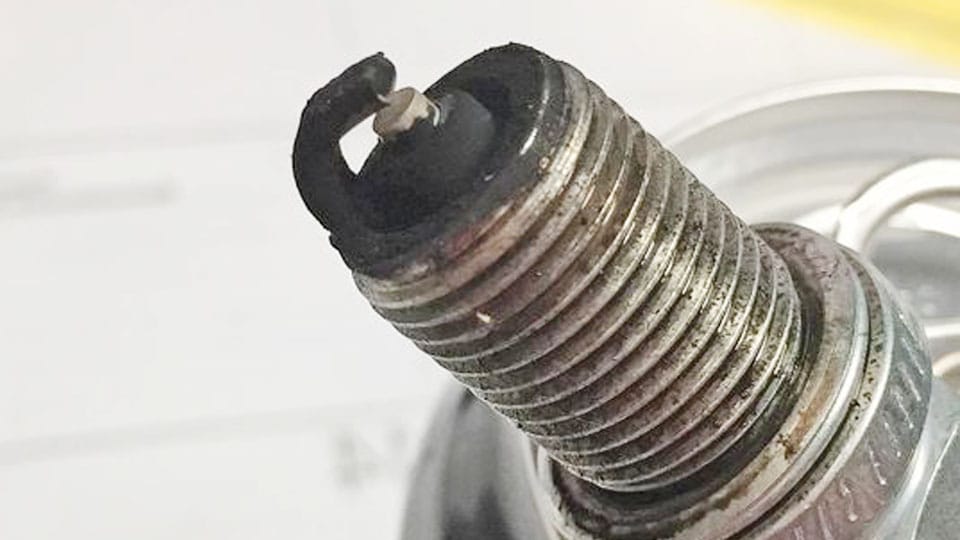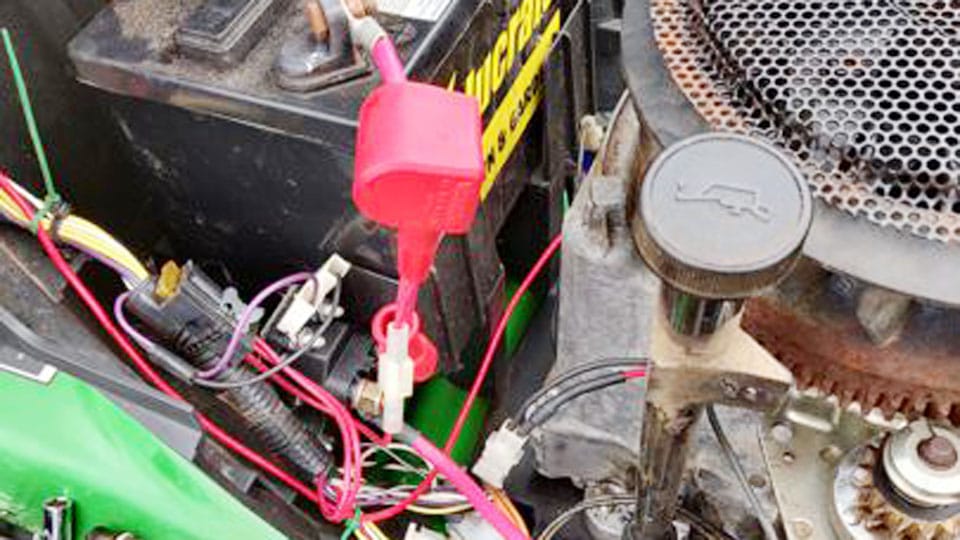
Old spark plugs can make starting difficult when the electrodes are worn, fouled, or gapped outside spec. If the engine only struggles when hot, or cranks without firing, look at ignition coils, fuel delivery, or a crank sensor too. Skipping the real fault wastes parts and can leave you with a no-start. This guide shows the symptoms, quick checks, and the fault patterns that separate worn plugs from bigger starting problems.
Can old spark plugs make starting hard?


Yes, but the pattern matters. Old plugs can produce a weak or uneven spark, so the engine may need extra cranking, misfire after startup, or lose spark quality under compression. If the starter turns the engine at normal speed and it still will not catch, the plugs may be part of the problem, but they are not the only suspect.
What worn plugs do during cranking
Spark plugs light the compressed air-fuel charge in each cylinder. As they age, the center and ground electrodes wear, deposits build up, and the gap grows wider. A wider gap requires more voltage to jump it, and that makes starting harder when battery voltage drops during cranking.
Worn plugs can also foul. Fuel, oil, or repeated short trips can leave deposits that short-circuit the spark path or make it weak enough that the cylinder misfires instead of firing cleanly.
How fouling and gap growth change spark
Gap growth usually shows up as a weak start that gets worse over time. Fouling can be more abrupt. A plug that is wet with fuel may not fire at all until the cylinder clears, which can look like a dead ignition or a fuel problem.
| Start symptom pattern | Most likely cause | Plug-likelihood | Check next |
|---|---|---|---|
| Slow crank | Battery, starter motor, or high-resistance engine ground connection | Low | 1) Battery voltage and cable condition 2) Ground connection and starter current draw |
| Normal crank, no start | Weak spark, fuel delivery fault, crankshaft position sensor, or camshaft position sensor | Moderate | 1) Scan for misfire or sensor codes 2) Check for spark and fuel pressure |
| Starts then rough idle | Worn plugs, fouled plugs, coil issue, or vacuum/fuel imbalance | High | 1) Inspect plug condition 2) Look for P0300-P0304 and coil or boot damage |
| Hot-start only | Crankshaft position sensor, camshaft position sensor, starter motor heat soak, or weak ground | Low to moderate | 1) Recheck after heat soak 2) Inspect sensor data and ground drop |
| Repeated crank attempts | Wet-fouled plugs, flooding, weak coil, leaking injector, or fuel pressure issue | Moderate to high | 1) Pull and inspect plugs for wet fuel 2) Check injector leakage and ignition spark quality |
The table is the shortcut. Slow crank points away from plugs and toward power supply or starter faults. Normal crank with no fire points to spark, fuel, or sensor inputs. If it starts, then runs rough for a minute, plugs move much closer to the top of the list.
What happens when spark plugs get old?
Old plugs wear in three main ways: electrode wear, gap growth, and fouling. Copper, platinum, and iridium plugs do not wear at the same rate, and replacement interval varies by plug type and driving style. Mileage alone is only a starting point.
Electrode wear and gap growth
As the electrodes erode, the spark gap widens. Spark delivery becomes harder because the ignition system has to jump a larger space. Under light load the engine may still fire, but during starting the available voltage margin is smaller, so the engine can hesitate or misfire.
Fouling from fuel, oil, or short trips
Short-trip city driving can leave plugs cold and dirty. Oil control issues, rich running, or repeated failed starts can also foul them. A wet plug often means the engine is not burning fuel properly. It can be caused by a weak spark or by too much fuel entering the cylinder.
Picture a 2.0-liter four-cylinder that sits for short errands all week. If one cylinder’s plug is damp and black while the others look tan, that plug may be the weak link. If all four are wet, the problem likely reaches beyond the plugs.
Copper, platinum, and iridium wear patterns
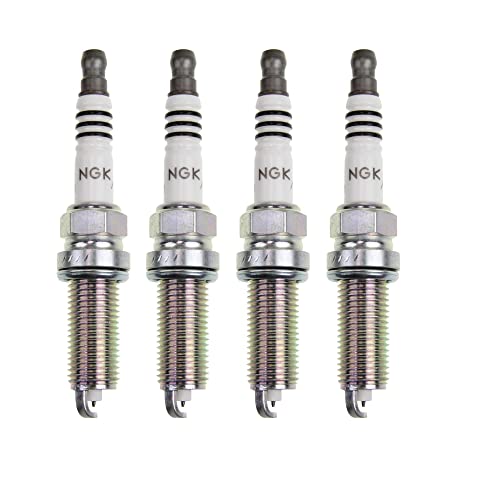
Copper spark plugs wear the fastest and are often replaced sooner than long-life designs. Platinum and iridium plugs usually last longer, and many iridium plugs are designed for extended service intervals well beyond 100,000 km. Those ranges are not guarantees, because engine design and driving pattern still matter.
High-mileage commuters and towing or load-heavy vehicles can wear plugs faster than gentle freeway use. Short trips also shorten life because plugs may never reach the heat that burns off deposits.
Why does my car crank but not start with old spark plugs?
If the engine cranks normally but will not start, old plugs may not fire strongly enough under compression. That said, the same symptom can come from a weak coil, bad sensor input, or flooded plugs. The key is to check whether the cylinders are getting spark and fuel in the right sequence.
Weak spark under compression
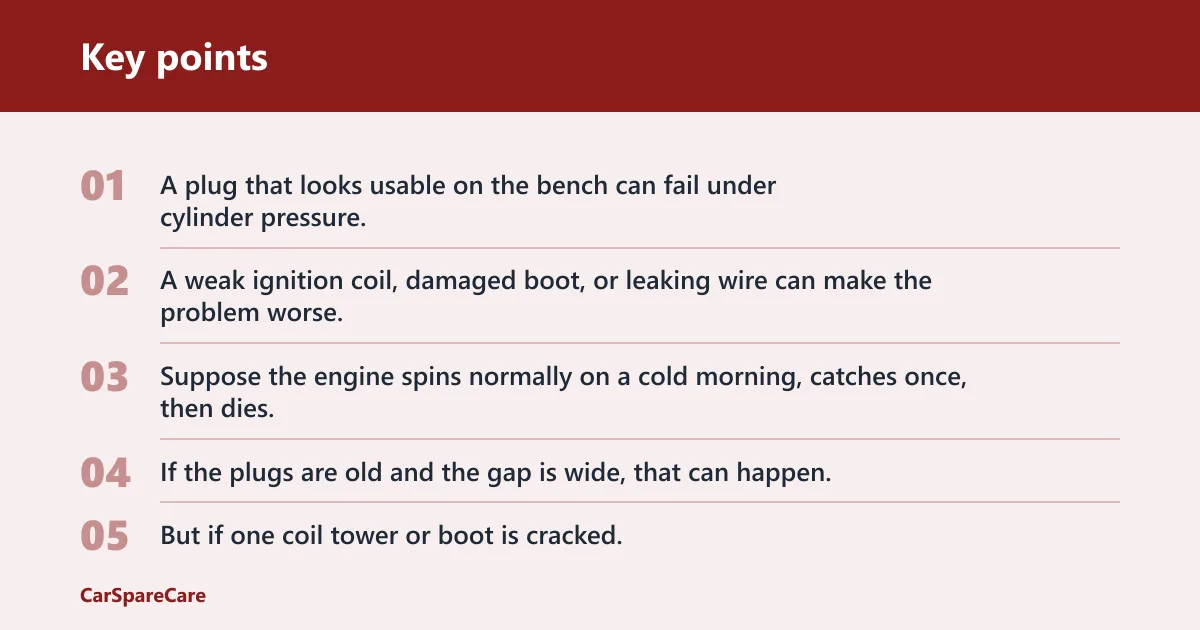
A plug that looks usable on the bench can fail under cylinder pressure. Gap growth raises the voltage demand. A weak ignition coil, damaged boot, or leaking wire can make the problem worse, because the spark may leak away before it reaches the plug gap.
Suppose the engine spins normally on a cold morning, catches once, then dies. If the plugs are old and the gap is wide, that can happen. But if one coil tower or boot is cracked, one cylinder may be dead enough to drag the whole engine down.
Wet plugs from injector leaks or flooding
A leaking fuel injector can overfuel a cylinder and wet the plug. That plug may not ignite until the fuel clears. A fuel-soaked plug is a symptom, not a diagnosis by itself. Weak spark and too much fuel can both create the same wet-plug result.
When the problem points past the plugs
If you have no spark at multiple cylinders, the fault often sits upstream. The ignition coil, ECU timing input, crankshaft position sensor, or camshaft position sensor can stop the engine from lighting at all. Old plugs may be present, but they are not the root cause.
What else can mimic worn spark plugs?
Several faults look like bad plugs because they all disturb spark timing or strength. The fast check is to separate slow cranking from normal cranking first. Then look at spark delivery, sensor input, and fuel wetting before replacing parts in a random order.
Ignition coil and boot faults
An ignition coil converts battery voltage to high voltage. A weak coil can mimic plug failure and can cause weak or uneven spark. A spark plug wire or boot can leak voltage or fail to deliver spark, especially if the insulation is cracked, oily, or heat damaged.
The ECU controls ignition timing and uses sensor inputs to regulate spark plugs. If the ECU is getting bad data, it may command spark at the wrong time or not at all. That can feel like a plug problem even when the plugs are fine.
Crankshaft and camshaft sensor faults
A faulty crankshaft position sensor can cause hard starting when warm, and it can lead to misfire-related symptoms. A faulty camshaft position sensor can affect spark timing and starting too. These are common suspects when the engine cranks normally but gets worse after heat soak.
Poor battery connections and poor engine ground connections can also create starting issues. Low system voltage and high resistance change coil output and starter speed, which can make a healthy plug look guilty.
Starter motor and engine ground problems
A starter motor fault can be mistaken for an ignition problem. If the engine turns slowly, the plugs may never get enough voltage to fire cleanly. Corrosion or looseness in the engine ground can add resistance and create the same effect.
A common first-timer mistake is to replace plugs after a hot no-start, then discover the starter was dragging only when hot. If the cranking speed changes a lot between cold and hot starts, check the starter and ground before chasing plug wear alone.
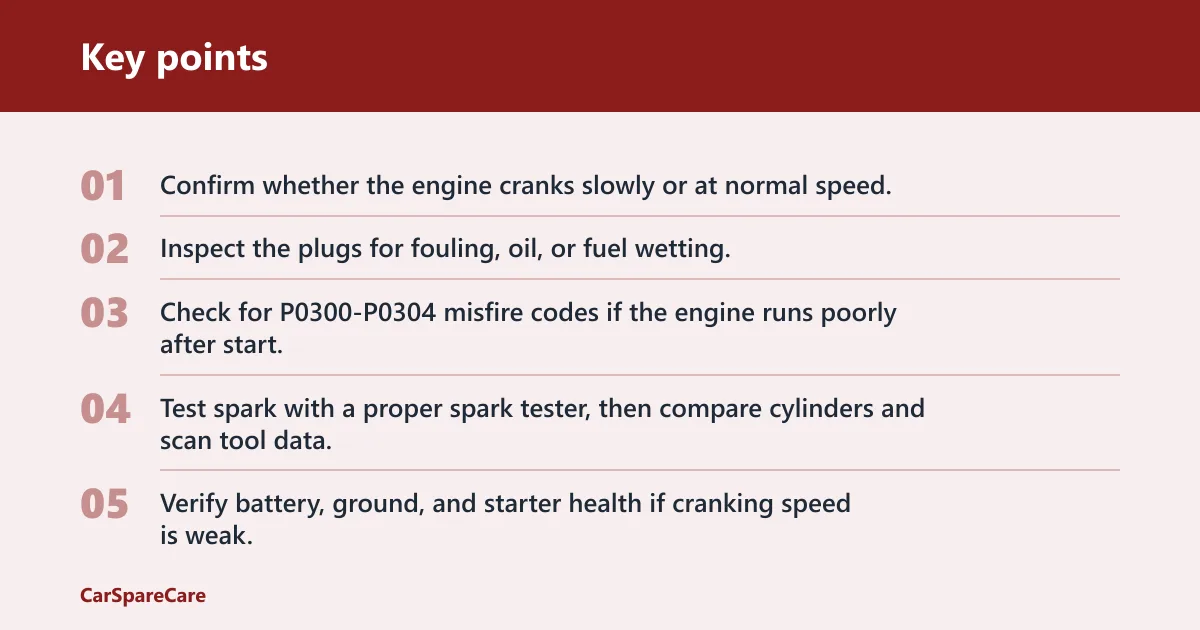
- Confirm whether the engine cranks slowly or at normal speed.
- Inspect the plugs for fouling, oil, or fuel wetting.
- Check for P0300-P0304 misfire codes if the engine runs poorly after start.
- Test spark with a proper spark tester, then compare cylinders and scan tool data.
- Verify battery, ground, and starter health if cranking speed is weak.
When should you replace spark plugs in your car?
Replace spark plugs when wear, fouling, or gap growth matches the symptom pattern, not only when the mileage number is reached. Copper plugs wear faster than long-life designs, while platinum and iridium plugs often last much longer. Short trips, towing, and rich running can shorten useful life.
Mileage intervals by plug type
Copper plugs wear the fastest. Platinum plugs usually last longer. Iridium plugs last longest in many engines, and many are designed for extended service intervals well beyond 100,000 km. Replacement interval varies by plug type, engine design, and driving pattern, so the service schedule in your owner’s manual still matters.
Short-trip and towing use
Short-trip city drivers often see earlier fouling because the plugs do not stay hot long enough to burn deposits. High-mileage commuters usually see cleaner plugs for longer, but age and gap growth still matter. Towing and load-heavy use can raise cylinder temperatures and stress the ignition system.
Signs that replacement is overdue
Look for hard starting after a cold soak, rough idle after startup, misfires under load, and P0300-P0304 codes. If the plugs are visibly worn, fuel stained, or oily, replacement is reasonable even before the next scheduled interval.
Is it hard to replace spark plugs?
It is often a straightforward job, but access and torque matter. Let the engine cool down completely before replacing plugs. Use the correct gap, because the spark gap affects spark strength and must match manufacturer spec. Tighten spark plugs to the vehicle-specified torque.
Access, torque, and gap checks
Some engines leave the plugs in plain view. Others bury them under intake parts or ignition coils. The job gets harder when plug wells are deep, the engine bay is tight, or the plugs are seized. Do not force them. Cross-threading or over-tightening can damage the head.
When a DIY swap is reasonable
If the plugs are easy to reach, the coil packs pull off cleanly, and you have the correct socket and torque wrench, a careful DIY swap is often reasonable. Check the new plugs against the listed gap before installation, but do not aggressively regap fine-wire platinum or iridium plugs unless the manufacturer allows it.
When to stop and diagnose first
If the engine only cranks slowly, or the hard start appears only hot, stop and diagnose before replacing plugs. That pattern points more strongly to battery connection, starter motor, crankshaft sensor, camshaft sensor, or ground problems than to plug wear alone.
Frequently asked questions
Does my car have spark plugs?
Most gasoline engines do. Diesel engines typically do not use spark plugs for ignition, and hybrids still use spark plugs when their engine is gasoline powered. If you are unsure, check the engine type in the owner’s manual or look for ignition coils on top of the engine.
When should I replace spark plugs in my car?
Replace them when the service interval is due or when starting and misfire symptoms fit plug wear. Copper plugs wear faster than long-life designs, and platinum or iridium plugs often last much longer. Driving style can move those numbers up or down.
Can old spark plugs make my car hard to start?
Yes. Old plugs can make a car hard to start if the electrodes are worn, the gap is too wide, or the plugs are fouled. But if the engine cranks slowly, or only fails hot, check the battery connection, starter motor, crank sensor, and ground connection too.
Can worn spark plugs cause misfires and rough idle?
Yes. Worn or fouled plugs can cause misfires and rough idle, especially right after startup or under load. Random misfire code P0300 or cylinder-specific codes such as P0301 through P0304 often point you toward ignition, fuel, or compression checks rather than a single plug alone.
Should I replace spark plugs if the engine starts after multiple tries?
Maybe, but do not stop there. Multiple tries can mean worn plugs, but it can also mean weak spark, leaking injectors, or a sensor problem that clears after repeated cranking. Inspect the plugs first, then compare the symptom pattern with battery, starter, and sensor checks.

Hi, I’m Melvin, an automobile engineer with extensive experience in automobile equipment. I currently work for a local automobile firm, where I specialize in the car parts industry. I’ve had the opportunity to collaborate with seasoned inspectors, gaining invaluable hands-on experience that goes beyond just theory.
My passion for automotive care started at a young age, which led me to create CarSpareCare. Through CarSpareCare, I share the knowledge and skills I’ve acquired over the years to help others navigate the world of car maintenance and repairs.
My goal is to provide practical tutorials, essential safety advice, and the latest industry insights so that anyone—whether a beginner or an expert—can confidently tackle their automotive projects.