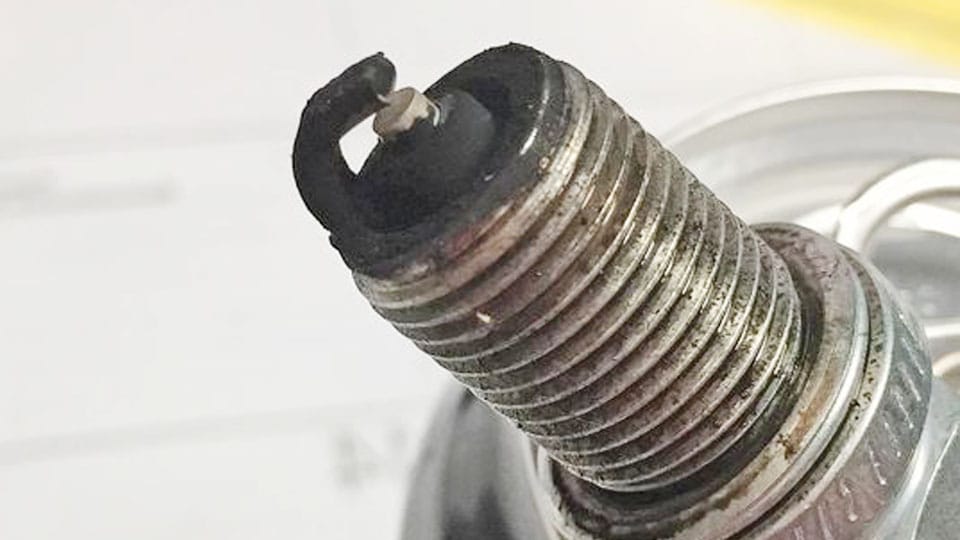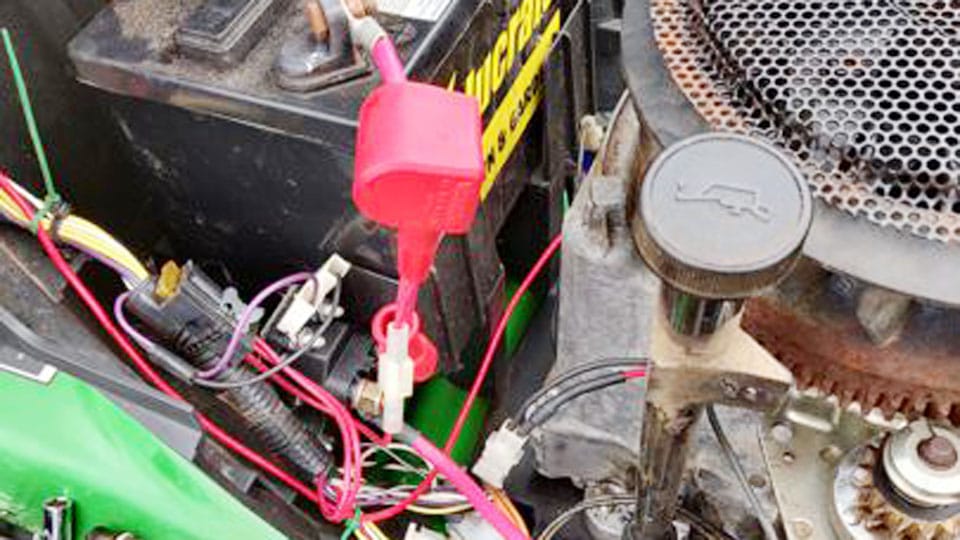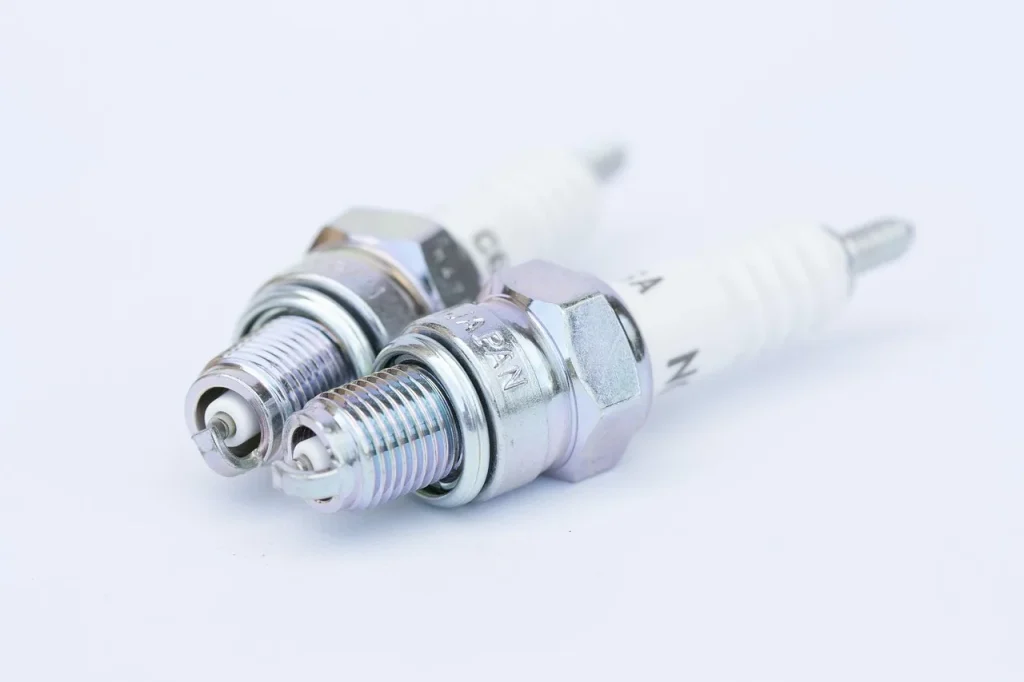
Yes. Bad spark plugs can cause poor acceleration, especially under load, and a single weak cylinder can make the car feel sluggish or hesitate. Left unchecked, that misfire can waste fuel, foul the catalytic converter, and mask a coil, fuel, or air fault. This guide shows the telltale signs, a simple DIY check order, and how to separate plugs from coils, fuel delivery, and intake air issues.
How weak plugs affect power and acceleration
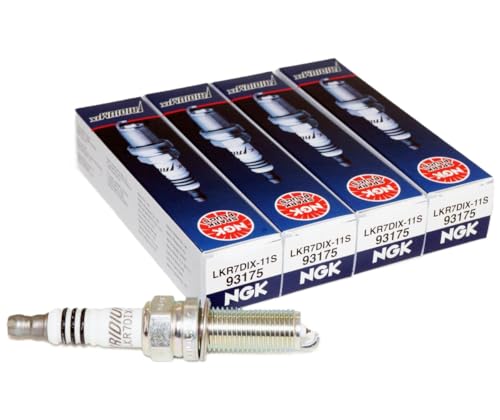


Yes. When a plug cannot fire the air-fuel mixture strongly and on time, the engine makes less torque, so the car feels flat on takeoff or slow when you ask for passing power. The engine may still idle well if the weak cylinder only shows up under load.
What the driver feels on takeoff
Poor acceleration from plugs often shows up as hesitation, a brief stumble, or a shudder when you press the pedal harder. You notice it most while merging, climbing a hill, or pulling away with passengers or cargo.
Why the engine may still idle normally
Idle is a light-load condition. A plug with wear, deposits, or a widened gap can sometimes keep up at idle but fail when cylinder pressure rises. That is why a car can seem fine in the driveway and then fall short on the road.
When the symptom points beyond plugs
If the loss of power is present all the time, or if it gets worse at steady cruise with no misfire feel, think beyond plugs. Fuel delivery, a coil issue, intake air leaks, throttle problems, or sensor faults can all mimic plug trouble.
How spark plugs affect engine power
Spark plugs create the spark that ignites the air-fuel mixture. If the spark is weak, late, or unstable, part of that mixture can burn poorly or not at all. That lowers power and can raise fuel use and emissions.
Spark, combustion, and power delivery
The engine needs each cylinder to burn its charge consistently. A weak ignition event does not turn every drop of fuel into useful pressure on the piston, so response feels dull. That is why bad plugs can reduce engine power before the driver notices a full misfire.
How gap wear weakens the spark
The spark plug gap can widen as the plug wears from heat, deposits, and erosion. If the gap gets too large, the ignition system must work harder to jump it, and the spark can weaken. The correct gap should be checked against the vehicle specification rather than guessed.
Why incomplete combustion cuts response
Incomplete combustion wastes part of the mixture and can leave a cylinder contributing less than it should. The result is poor acceleration, rough running, and sometimes extra fuel use. That is also why bad plugs are linked to rough idle, hard starting, and higher emissions.
Signs the issue is plugs, not coils
Plugs and coils can both cause misfires, but the pattern matters. Plug wear often shows up as a gradual loss of smoothness, a weak pull under load, and hard starting. A coil fault may be more likely to produce a sharper, more repeatable miss from one cylinder or to worsen as heat builds.
Misfire under load versus at idle
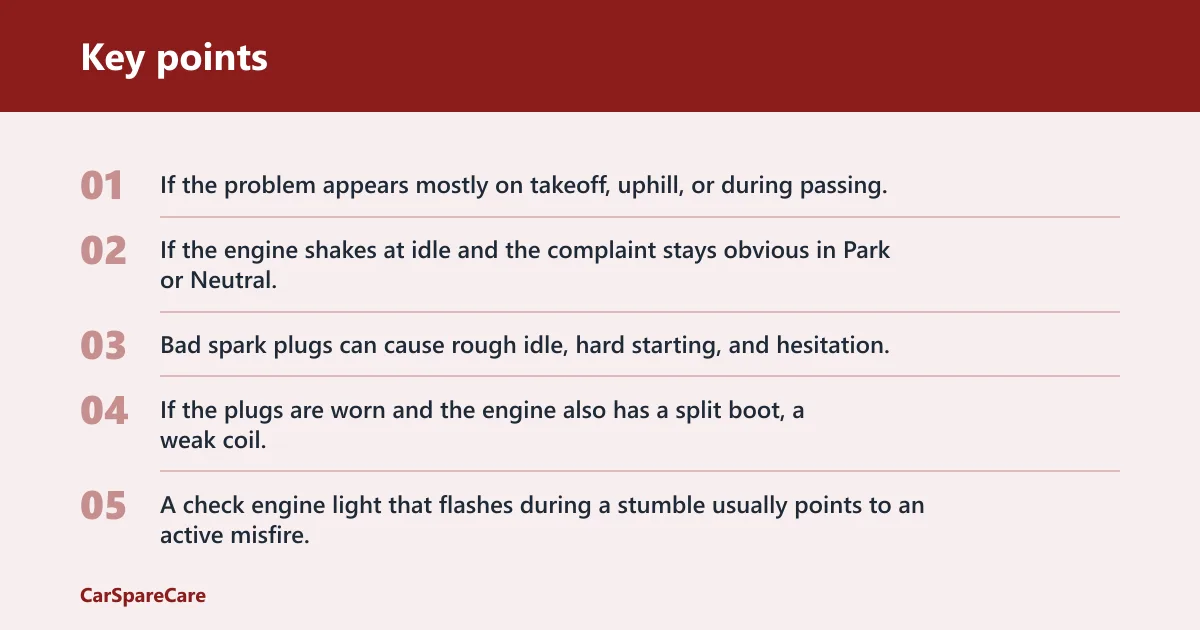
If the problem appears mostly on takeoff, uphill, or during passing, plugs move higher on the list. If the engine shakes at idle and the complaint stays obvious in Park or Neutral, the fault may be stronger at low load and point to another ignition or air problem.
Rough idle, hard starts, and hesitation
Bad spark plugs can cause rough idle, hard starting, and hesitation, but they rarely act alone. If the plugs are worn and the engine also has a split boot, a weak coil, or fuel delivery trouble, the symptoms can overlap. That is why a symptom-only guess is risky.
What a flashing check engine light means
A check engine light that flashes during a stumble usually points to an active misfire. That deserves prompt diagnosis because continued driving can send raw fuel into the exhaust. A steady light is less urgent, but it still needs fault-code checking before parts are replaced.
Say your car hesitates only when you try to pass at 50 mph, but it idles smoothly in the driveway. That pattern fits a load-sensitive ignition weakness better than a constant fuel or idle control fault. Now suppose the same engine begins to shake at traffic lights too; that wider pattern makes a plug, coil, or boot issue more likely than a load-only problem.
Acceleration symptom table
Use the pattern below to narrow the next check. It is not a final diagnosis, but it can separate plug wear from coil, fuel, and air faults fast enough to keep you from replacing the wrong part first.
| Symptom pattern | Most likely system | Next check | Why it points there |
|---|---|---|---|
| Only under load | Spark plugs or coils | Inspect plugs, then compare one coil or boot to the others | A weak spark may fail when cylinder pressure rises on takeoff, hills, or passing |
| All the time | Another system is more likely | Scan for codes, then check fuel, air leaks, and sensors | A constant loss of power is less specific and often not caused by plugs alone |
| At idle only | Vacuum leak, idle control, injector, or coil | Look for air leaks and scan misfire data | Plugs can do it, but idle-only roughness often has another cause |
| With blinking CEL | Active misfire, often ignition | Stop hard driving, read codes, and inspect plugs and coils | A flashing light usually means a misfire severe enough to protect the catalyst |
| After wet weather | Coils, boots, or damaged plug wells | Check for moisture, cracks, and carbon tracking | Wet weather can expose insulation faults that worn plugs alone do not cause |
Inspection should cover wear, deposits, cracks, damage, and gap measurement. If a plug is badly worn or the gap is out of spec, it may weaken the spark before a total misfire appears. That is why visual checks matter, not only code reading.
- Remove and label each plug so cylinder location stays clear.
- Compare the tip, shell, and insulator to the others.
- Look for oil fouling, heavy carbon deposits, cracked porcelain, or damaged electrodes.
- Measure the gap and compare it with the vehicle specification.
- If the plugs look uneven, check the matching coil and boot before reassembly.
- Use a spark plug tester if the spark needs a safer comparison than a crude spark check.
What to look for on the plug
Uneven deposits can suggest one cylinder is running differently from the rest. Cracks and heat damage matter too. A plug that is simply old and worn may not look dramatic, but a widened gap alone can still weaken spark strength enough to dull acceleration.
Using a spark plug tester
A spark plug tester can help compare spark strength safely before parts are replaced. One example supports adjustable working frequency from 0 to 6000rpm, and the product listing describes it for 12V petrol cars with 100V-240V input. Use the tester as a comparison tool, not as proof that the rest of the ignition system is fine.
When replacing plugs fixes acceleration
Replacing plugs helps most when wear and gap growth are the main issue. It is less likely to fix the complaint if the root problem is a coil, a damaged boot, fuel delivery trouble, or unmetered air. The best result comes from matching the repair to the symptom pattern.
When wear and gap are the main issue
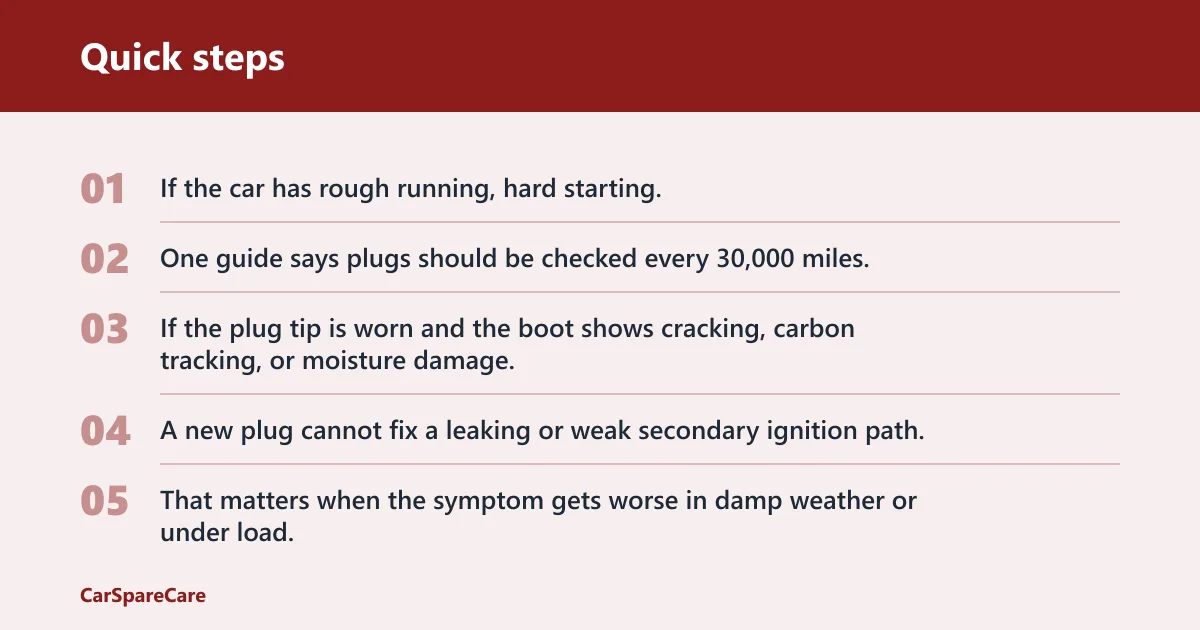
If the car has rough running, hard starting, or poor acceleration and the plugs are overdue, replacement is the first place to start. Plugs should be checked every 30,000 miles, and another says replacement intervals are usually between 30,000 and 100,000 miles depending on plug type and vehicle.
When coils or boots also need attention
If the plug tip is worn and the boot shows cracking, carbon tracking, or moisture damage, service the whole ignition path. A new plug cannot fix a leaking or weak secondary ignition path. That matters when the symptom gets worse in damp weather or under load.
When fuel or air faults are more likely
If acceleration is poor all the time, or if the engine misfires only at idle without any plug wear pattern, look at fuel and air first. That may mean a vacuum leak, injector fault, throttle issue, MAF problem, or fuel supply trouble. Plug replacement alone is then the wrong first move.
A common first-timer mistake is to replace plugs after seeing a rough idle, then ignore a flashing light and a wet-weather stumble that point toward coil boot leakage. In that case, the plug may be only part of the fix. The next check should follow the symptom pattern, not the cheapest part.
Cost matters too. One guide estimates DIY replacement at $20-100 for parts, while shop labor adds $100-200. If the plugs are the only worn part, that is one job. If a coil or boot also needs attention, the bill rises because the complaint is no longer plug-only.
Frequently asked questions
Can bad spark plugs cause slow acceleration?
Yes. Slow acceleration is a common way poor combustion shows up, especially when the engine is asked to work harder. Bad plugs can make the car feel flat, take longer to build speed, or hesitate before the engine catches up with throttle input.
Can bad spark plugs cause sluggish acceleration?
Yes. Sluggish acceleration usually means the engine is not turning fuel into power as cleanly as it should, and worn plugs can do that. If the problem is worse on hills, during passing, or under hard throttle, plugs move higher on the suspect list.
Can bad spark plugs cause no acceleration?
They can cause a severe loss of power, but true no-acceleration complaints often involve more than plugs. A flashing check engine light, a major misfire, or another fault in fuel or air delivery may be involved. Do not assume plugs alone explain a near-dead response.
Will bad spark plugs cause sluggish acceleration?
Yes. A weak spark can leave part of the mixture unburned, which reduces power and makes the car feel lazy. That can happen before the engine starts shaking badly, so sluggish acceleration may be an early warning rather than a late-stage failure.
Can bad spark plugs affect acceleration?
Yes. Spark plugs directly affect how well each cylinder burns its charge, so poor plug condition can change throttle response, passing power, and hill-climbing ability. If the symptom is load-related, checking plugs against the vehicle spec is one of the first sensible steps.
How do you know if spark plugs are causing hesitation?
Look for hesitation that shows up under load, along with rough idle, hard starting, or a misfire code. Then inspect the plugs for wear, fouling, cracks, and gap growth. If the complaint is only after rain or only at idle, coils or another system may be more likely.

Hi, I’m Melvin, an automobile engineer with extensive experience in automobile equipment. I currently work for a local automobile firm, where I specialize in the car parts industry. I’ve had the opportunity to collaborate with seasoned inspectors, gaining invaluable hands-on experience that goes beyond just theory.
My passion for automotive care started at a young age, which led me to create CarSpareCare. Through CarSpareCare, I share the knowledge and skills I’ve acquired over the years to help others navigate the world of car maintenance and repairs.
My goal is to provide practical tutorials, essential safety advice, and the latest industry insights so that anyone—whether a beginner or an expert—can confidently tackle their automotive projects.