A bad ignition coil often points to the same cylinder after you swap parts. If the misfire moves with the coil, the coil is faulty. If the plug stays fouled, the plug may also be damaged. Ignore it, and a simple misfire can turn into catalytic-converter damage. This guide shows how misfire codes, coil swaps, and plug inspection together tell you whether the coil, the plug, or both are at fault.
Symptoms that point to coil or plug


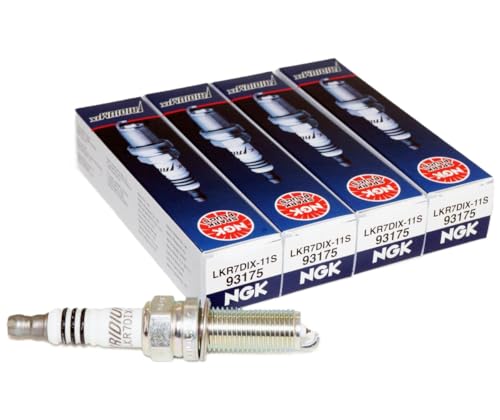
Ignition coils send high-voltage bursts to fire spark plugs. The coil turns 12 volts into 20,000-40,000 volts. Gasoline engines use them, diesel engines do not. Most modern engines use coil-on-plug units, though older setups may use coil packs or canister-style coils.
The feel is often similar. A car may shake, stumble, jerk, or feel weak. Rough idle, throttle hesitation, power loss, and poor fuel economy can all show up. That overlap is why you need the failure pattern, not a guess from one symptom.
What a cylinder-specific misfire feels like
A single-cylinder problem often feels like a steady miss at idle, a stumble when you tip into the throttle, or a brief jerk during a hill climb. A random or multiple-cylinder misfire can feel broader, with uneven running that shifts from one condition to another.
Picture a 4-cylinder car that idles fairly smoothly in park, then bucks hard pulling away from a stoplight. That pattern often points more toward a weak coil than a worn plug, because demand rises with throttle and the weak part can fail only when voltage demand climbs.
Why code alone does not name the failed part
A misfire code does not prove the coil is bad. P0300 commonly indicates a random or multiple-cylinder misfire, while P0301 through P0306 point to a specific cylinder. Those codes can come from a coil, plug, injector, wiring fault, compression loss, or even a vacuum leak.
Use an OBD2 scanner to read and record the stored codes before clearing them. If you clear first, you may lose the cylinder number and the freeze-frame clues that show when the fault happened.
What the scan codes mean
P0300 usually means the engine is misfiring in more than one place or the computer cannot pin it to one cylinder. P0301 to P0306 mean the computer saw a misfire on a specific cylinder, which makes diagnosis faster because you can focus on one coil, one plug, and that cylinder’s wiring and fuel delivery.
What a flashing light tells you
A solid check engine light is a warning. A flashing check engine light means an active misfire that needs prompt attention, especially if the engine is shaking. Do not treat a flashing light and a steady light as the same level of risk.
Keep driving with a hard misfire, and raw fuel can reach the exhaust. That can overheat the catalytic converter. If the light flashes and the engine shakes the car, slow down and stop driving as soon as traffic allows.
Does engine temperature change the fault?
Yes. Temperature matters because some ignition coil faults appear only after heat soak, while cold-start behavior can point more toward plug wear, fouling, or a mixture problem. A hot-only miss leans toward coil or electrical issues more than a plug that is simply worn.
Hot-only misfires
A weak coil may work cold, then fail once the underhood temperature climbs. That is common on coil-on-plug engines because the coil sits on top of the engine and bakes after a long drive. Intermittent faults can show up after traffic, a highway run, or a restart after a hot soak.
Say your sedan runs fine for 20 minutes, then begins to shake at idle after a fuel stop. If the misfire appears only after the engine is heat-soaked, the coil or its connector deserves close attention before you assume the spark plug is the only problem.
Cold-start-only misfires
A misfire that shows up only on cold start can point more toward a worn or fouled plug, fuel mixture issues, or oil in the plug well. Cold, damp conditions can make a weak plug easier to foul and harder to light off, especially if the gap has grown.
Worn electrodes and a wider gap make the plug harder to fire. Some spark plugs last a long time, but Carvertical notes they can last as little as 20,000 miles, and that range depends on engine design and maintenance.
Why weak coils can act up after heat soak
Coils are heat-sensitive. Internal insulation can break down when the part gets hot, so the fault may appear only after a long drive, then disappear after the engine cools. That intermittent pattern is a classic reason one cylinder keeps returning to the same code after a swap test.
Do load conditions change the fault?
Yes. Load matters because acceleration, uphill driving, towing, and hard throttle raise the voltage needed to fire the plug. Portland Motor Works notes that a misfire only under load can point to demand-related weakness, which often means the coil is struggling more than the plug.
Acceleration and uphill misfires
If the miss shows up while merging, climbing a hill, or passing, the coil becomes a stronger suspect. Under load, the ignition system has to work harder, and a weak coil may fail where a healthy one would still fire the plug.
That pattern is less typical of a plain worn plug by itself, though a plug with excessive gap, carbon buildup, or oil fouling can also struggle when cylinder pressure rises.
Idle-only misfires
An idle-only miss often pushes you toward plug condition, vacuum leaks, injector issues, or a cylinder problem rather than a coil alone. A rough idle can come from a spark plug issue, and a plug with a worn gap may misfire first when engine speed is low and combustion is less stable.
Older coil-pack systems can complicate this. One failed coil can affect paired cylinders, while coil-on-plug systems usually localize the problem to one hole. That difference matters when you compare an older vehicle’s symptom pattern with a newer engine’s single-cylinder code.
Spark plug condition clues
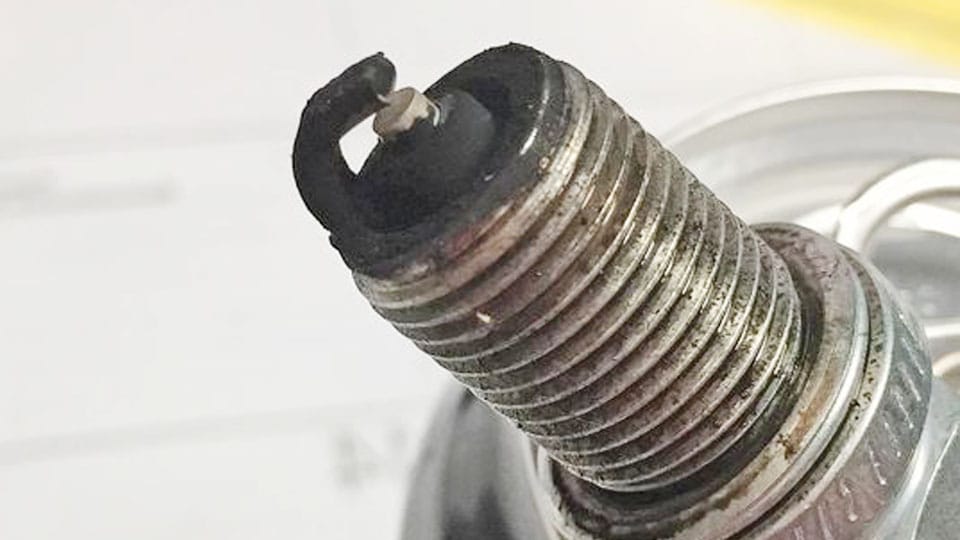
Inspect the plug before you accuse the coil. Spark plugs are one per cylinder on gasoline engines, and they wear gradually as the gap increases. They can also foul from oil or rich running, and that makes the plug a real cause of a misfire, not just a bystander.
Worn electrodes and widened gap
Look for rounded, burned, or eroded electrodes. As the gap grows, the coil must work harder to jump the gap, which can expose a weak coil that was already close to the limit. A plug in this state can make a healthy-looking coil appear guilty.
Oil fouling and carbon deposits
Black carbon deposits can point to a rich-running condition, and oil fouling can coat the insulator and tip. Both can cause misfire on their own. They can also make the coil work harder, which is why plug damage and coil stress often travel together.
Suppose a plug from cylinder 4 comes out dark and sooty, while the coil swap follows the misfire to cylinder 2. That split result suggests the original plug on cylinder 4 was already affected, but the coil itself is the part that follows the fault.
Blistering, overheating, and cracked porcelain
White or blistered plugs can indicate overheating. Cracked porcelain, damaged insulators, or burned electrodes all mean the plug has seen serious stress. In that case, the plug may be the direct cause, or it may be collateral damage from a coil that kept firing weakly and irregularly.
Ignition coil swap test
A swap test is the quickest way to see whether the fault follows the coil. Move the coil from the suspect cylinder to another cylinder, clear the codes, and drive long enough for the fault to return. If the misfire code moves with the coil, the coil is the likely problem.
- Read the stored code with an OBD2 scanner and write it down.
- Remove the suspect coil and inspect the boot, connector, and plug well.
- Move the coil to a different cylinder.
- Clear the codes only after recording them.
- Drive until the misfire returns, then rescan.
- Compare the new code with the original cylinder number.
False positives from boots, connectors, and plug wells
Swap testing is useful, but it is not foolproof. A damaged boot can arc, a corroded connector can interrupt power or ground, and oil in the plug well can contaminate both the plug and the coil boot. Those problems can make a good coil look bad.
If the coil swap does not move the code, do not stop at the coil. Check the plug, the connector terminals, the boot for carbon tracking, and the plug well for oil before you decide the coil is innocent.
Misfire decision matrix
| Symptom pattern | Likely coil behavior | Likely spark plug behavior | Next test |
|---|---|---|---|
| Idle-only | May be weak but not stressed yet | Worn gap, fouling, or rough-idle plug issue more likely | Inspect plug first, then swap coil if code stays on one cylinder |
| Hot-only | Heat-sensitive coil or connector fault more likely | Plug may be worn, but heat alone points less strongly to it | Recheck after heat soak, then swap coil on the hot misfire cylinder |
| Load-only | Weak coil under higher voltage demand is common | Plug gap or fouling can also show under load | Swap the coil and inspect the plug gap and deposit pattern |
| Cold-start-only | Possible, but less typical than a plug issue | Worn, fouled, or oil-coated plug is more likely | Inspect plug condition and check for oil in the well |
| Flashing light | Active misfire under heavy stress or failure | Plug may be so fouled or damaged that combustion is unstable | Stop driving, scan codes, and test the suspect cylinder before clearing |
Should you replace the plug or coil first?
Replace the part that best matches the failure pattern. If the plug is visibly worn, oil-fouled, carbon-coated, or blistered, start with the plug. If the code follows the coil during a swap, or the misfire appears mainly hot or under load, start with the coil.
When the plug is the first replacement
Choose the plug first when the misfire is cold-start-only, the plug gap is clearly excessive, or the plug shows carbon, oil, or overheating damage. A bad plug can make the coil work harder, so replacing the plug may also protect the coil if it was being stressed by repeated misfires.
When the coil is the first replacement
Choose the coil first when the misfire follows the coil during a swap, returns after heat soak, or shows up mainly during acceleration or hill climbs. That pattern fits a weak coil more than a plug that is simply worn out.
When both parts need attention
Sometimes the coil is the trigger and the plug is the collateral damage. A coil that keeps misfiring can foul a plug, and a bad plug can force the coil to work harder until the coil fails too. In that case, replace the failed part you identified and inspect the paired part closely before reusing it.
Can a bad ignition coil damage spark plugs?
Yes. A bad coil can leave a plug fouled by repeated misfires, fuel wash, or incomplete burning, and that plug may still look bad even after the coil is fixed. A bad plug can also make the coil work harder, so the two parts can damage each other’s diagnosis trail.
Frequently asked questions
How can I tell if my ignition coil is bad or if it’s just the spark plug?
Use the pattern, the swap test, and the plug’s condition together. If the misfire follows the coil to another cylinder, the coil is likely bad. If the plug is worn, fouled, or blistered and the misfire stays put, the plug is the better first suspect.
What are the first signs of a weak ignition coil on one cylinder?
The first signs are often a rough idle, throttle hesitation, a stumble under acceleration, or a miss that gets worse as the engine warms up. A weak coil may also set a cylinder-specific code such as P0301 or P0304 rather than a direct coil code.
Will a misfire code mean the coil is bad?
The cause can be the coil, spark plug, injector, wiring, compression, or a vacuum leak, so you need the cylinder number, the symptom pattern, and a physical inspection before replacing anything.
Can I keep driving if the check engine light is flashing with a misfire?
You should treat a flashing light as urgent, especially if the engine shakes. A flashing MIL means an active misfire that can overheat the catalytic converter. If possible, reduce load, pull over safely, and stop driving until you can scan the codes and inspect the cylinder.
Should I replace the spark plug or coil first when diagnosing a misfire?
Start with the part that matches the fault pattern. Replace the plug first if it is worn, fouled, or visibly damaged. Replace the coil first if the misfire follows the coil, shows up hot, or happens mainly under load.
What does a cylinder-specific code like P0301 or P0304 mean?
P0301 means cylinder 1 has misfired, and P0304 means cylinder 4 has misfired. Those codes help you focus on one coil, one spark plug, and that cylinder’s wiring or fuel delivery, but they do not prove which part is bad without testing.

Hi, I’m Melvin, an automobile engineer with extensive experience in automobile equipment. I currently work for a local automobile firm, where I specialize in the car parts industry. I’ve had the opportunity to collaborate with seasoned inspectors, gaining invaluable hands-on experience that goes beyond just theory.
My passion for automotive care started at a young age, which led me to create CarSpareCare. Through CarSpareCare, I share the knowledge and skills I’ve acquired over the years to help others navigate the world of car maintenance and repairs.
My goal is to provide practical tutorials, essential safety advice, and the latest industry insights so that anyone—whether a beginner or an expert—can confidently tackle their automotive projects.