
Low transmission fluid usually causes delayed engagement, slipping, whining, or jerky shifts. Dirty or burnt fluid often looks dark, smells burnt, and makes shift quality worse. If the level is below the dipstick add mark or the fluid smells burnt, stop driving. A small leak or overdue service can turn into clutch damage, overheating, or a failed transmission. This guide separates low-fluid symptoms from dirty-fluid symptoms and shows what to check next, including leak signs and when to get help.
What transmission fluid does

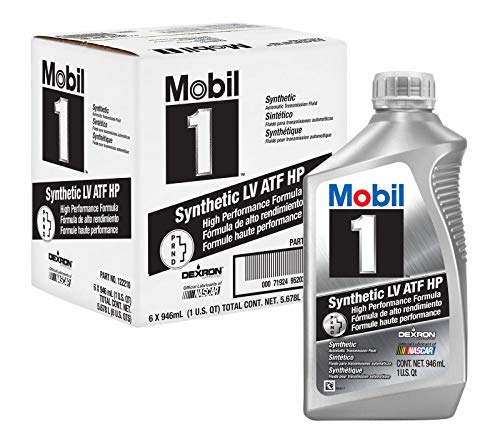

Automatic transmission fluid, or ATF, does more than lubricate parts. It acts as hydraulic fluid, carries pressure for gear changes, cools the transmission, and helps moving parts stay protected under load. When the fluid level drops or the fluid breaks down, those jobs get harder fast.
Why ATF matters for shifting
The transmission depends on fluid pressure to apply clutches and bands at the right time. If pressure falls, shifts can slip, flare, or pause before engaging. If the fluid is dirty, pressure control can still be wrong even when the level looks close to normal.
How heat changes the picture
Transmission operating temperature is described as 175–200°F. Low fluid can push temperatures to 250°F or higher, and that heat can damage seals, clutch material, and the fluid itself. That is why low fluid and burnt fluid often travel together after a leak or overheating event.
Signs your fluid is low
Low ATF usually shows up as pressure problems first. The common clues are slipping, delayed engagement, rough or hard shifts, whining or humming noises, torque-converter-related noise or hesitation, overheating, and fluid leaks. If several of these happen together, low fluid moves near the top of the list.
Slipping and delayed engagement
Slipping means the engine speed rises without a matching increase in vehicle speed. Delayed engagement means you shift into Drive or Reverse and wait too long before the transmission grabs. Those are classic low-pressure symptoms, but they can also point to internal wear if the fluid level checks out.
Suppose a sedan backs out of a driveway normally, then pauses for three seconds before moving when shifted into Drive at the next stop. That pattern fits low pressure better than a simple color change, especially if the dipstick shows the level below the add mark.
Whining, humming, or torque-converter noise
A low fluid level can let the pump pull air, which can create whining or humming. The torque converter depends on fluid pressure too, so low ATF can also cause noise or a hesitation that shows up most clearly during acceleration. Noise plus slipping usually points toward low fluid or a leak.
Overheating signs
Low fluid reduces cooling as well as pressure. That can bring on heat-related warning lights, harsh shifts, and a hot smell from the transmission area. If the transmission temperature warning light comes on, treat it as urgent, not as a reminder for later service.
Signs your fluid is dirty or burnt
Dirty or burnt fluid points more toward contamination or heat damage than toward simple low level. Bright red ATF that turns gray, brown, or black is past its normal condition. Burnt fluid often smells sharp and scorched, and it usually brings harsher or delayed shifts with it.
Fluid color and smell checks
Red or pink fluid is often the expected appearance for many automatic transmissions. Dark brown fluid is often described as burnt transmission fluid caused by overheating. Black fluid can suggest severe heat or significant contamination. Color alone does not diagnose the fault, but it is a strong service signal.
What does burnt transmission fluid smell like? It usually has a sharp, acrid smell that resembles overheated oil or scorched material. That smell matters because it often means the fluid has been run too hot for too long, and the transmission may already be suffering heat damage.
Hard or rough shifting from contamination
Can dirty transmission fluid cause hard shifting? Yes. Contaminated fluid can upset hydraulic control, slow valve action, and make shifts feel harsh, late, or inconsistent. If the transmission still has the correct level but the shifts are rough and the fluid is dark, contamination or overheating becomes more likely.
Clogged filter clues
The transmission filter captures contaminants. When it clogs, flow can drop enough to mimic low-fluid symptoms even if the level is not severely low. Many manufacturers recommend changing the transmission filter every 30,000 miles or two years, often during a fluid service. A clogged filter can also go with burnt or dirty fluid.
Transmission fluid diagnosis matrix
This table separates the symptom, the most likely cause, and the next step. It is not a substitute for a proper inspection, but it helps you avoid guessing between a leak, overheated fluid, a clogged filter, a sealed-system check issue, or a deeper transmission fault.
| Symptom | Most likely cause | Immediate next step |
|---|---|---|
| Slipping gears | Low fluid, pump pressure loss, or deeper internal wear | Stop hard driving, check level, inspect for leaks, then scan codes if the level is correct |
| Delayed shifting or delayed engagement | Low fluid, dirty fluid, or a filter restriction | Check the dipstick or sealed-system procedure, then look for burnt color or contamination |
| Whining or humming | Low fluid, aeration, or pump starvation | Check fluid level at once and inspect cooler lines, pan, and undercarriage for leaks |
| Burning smell | Overheated fluid | Stop driving if the smell is strong, then inspect fluid color and temperature warning lights |
| Brown or black fluid | Dirty or burnt fluid from heat or contamination | Service the fluid and filter, and check for codes if shifting is also poor |
| Visible leak under the car | Transmission pan leak, cooler line leak, or seal leak | Check fluid level, note the color, and repair the leak before more driving |
| Warning lights | Overheating or a stored transmission fault code | Read codes with an OBD-II scanner and stop driving if the transmission temperature warning light is on |
| Sealed transmission with no dipstick | Check issue, wrong fill level, or internal fault | Do not guess from symptoms alone; use the maker’s level-check procedure or a shop inspection |
How do you check the fluid safely?
Check ATF only with the correct procedure for the vehicle. Many automatics use a transmission dipstick and are checked with the engine running, but some vehicles do not have a dipstick at all. If the level is unclear, do not top off blindly; confirm the check method first.
Using a transmission dipstick
Look for the transmission dipstick under the hood, then follow the vehicle’s instructions for engine state, temperature, and gear position. Many checks are done with the engine running because the pump has to circulate fluid. Wipe the stick clean, reinsert it, and read the level and color on a clean rag or paper towel.
If the fluid is below the add mark, that supports a low-fluid diagnosis. If the fluid is dark brown or black, that points toward heat or contamination, even if the level is still within range. Both conditions matter, and the right response may be fluid service plus a leak check.
Sealed transmissions with no dipstick
Some vehicles do not have a transmission dipstick. For sealed transmissions, the driver can still inspect for leaks, smell for burnt fluid, watch for shift changes, and note warning lights, but the level itself usually needs the maker’s procedure. If the symptoms are strong, a shop check is the safer move. (Wikipedia)
How do I check transmission fluid level safely? Start with the owner’s procedure, because the correct method can depend on temperature, engine running state, and fill-port access. If the vehicle is sealed or the reading seems inconsistent, stop short of guessing and get the level verified.
What to do if the level is unclear
- Park on level ground and secure the vehicle.
- Check for fresh red, brown, or black fluid under the car.
- Look at the fluid color and smell if a dipstick is present.
- Confirm whether the vehicle has a sealed transmission or a special fill check.
- Read diagnostic codes if warning lights are on.
How do leaks point to the cause?
Leaks usually point first to fluid loss, not to dirty fluid. Red fluid under the car, a wet transmission pan, or seepage at cooler lines all support a low-fluid problem before they support a contamination problem. A leak can then lead to overheating and burnt fluid if driving continues.
Transmission pan leaks
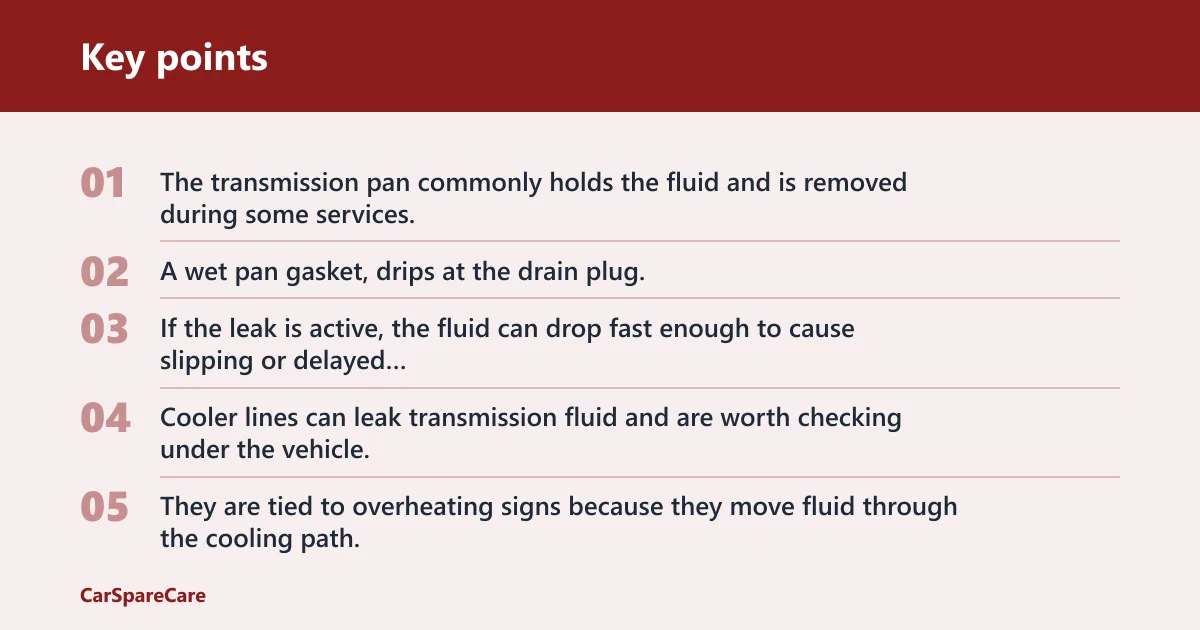
The transmission pan commonly holds the fluid and is removed during some services. A wet pan gasket, drips at the drain plug, or fresh fluid around the pan bolts can explain a low level. If the leak is active, the fluid can drop fast enough to cause slipping or delayed engagement.
Cooler line leaks
Cooler lines can leak transmission fluid and are worth checking under the vehicle. They are tied to overheating signs because they move fluid through the cooling path. A leak at a cooler line often leaves a trail on the undercarriage or a spot where the line passes near the radiator area.
Wet spots under the car
Transmission fluid often looks red, though it can turn brown with age or heat. A fresh puddle near the middle or front of the car, especially if the transmission shifts worse afterward, is a strong clue. If the fluid smell is burnt as well, overheating may already be part of the problem.
What do warning lights mean?
A transmission temperature warning light usually means the unit is overheating and may need prompt attention. A check-engine light can mean many things, including a transmission fault. Warning lights do not prove low fluid by themselves, so an OBD-II scanner is useful for reading the codes and narrowing the cause.
Transmission temperature warning light
If the transmission temperature warning light appears, stop pushing the vehicle and check the fluid situation as soon as it is safe. Overheated ATF can lose its protective qualities quickly. Continued driving can worsen clutch wear, turn the fluid dark, and raise the repair bill.
Check-engine light and OBD-II codes
An OBD-II scanner reads diagnostic codes tied to transmission faults. Common codes mentioned with fluid or pressure issues include P0730, P0841, and P0740. Those codes do not name every possible failure, but they help point toward shift errors, pressure problems, or torque-converter faults.
When to stop driving
Stop driving if the transmission is severely slipping, the burnt smell is strong, the warning light is flashing, or the transmission temperature warning light is on. Low fluid can destroy a transmission in as little as 1,000 miles, so waiting for a second symptom is a bad bet when the first signs are already serious.
A common first-timer mistake is adding fluid before checking for a leak. If the transmission pan is wet and the cooler line shows seepage, topping off once may only hide the real problem for a short time. Fix the leak, then confirm the level again.
Manual transmission note
Manual transmissions use different checks and symptoms. They may show gear grind, difficult shifting, or clutch-related problems rather than automatic-style slipping and torque-converter noise. The fluid can still matter, but the inspection path and service points are not the same as for a self-shifting transmission.
Frequently asked questions
What are the signs your transmission fluid is low?
Low transmission fluid commonly shows up as slipping gears, delayed engagement, whining or humming, jerky shifts, and overheating. A fresh leak, especially red fluid under the car, makes low fluid more likely. If the dipstick level is below the add mark, stop driving and inspect for the source.
What are the symptoms of dirty transmission fluid?
Dirty fluid often looks gray, brown, or black instead of bright red. It may smell burnt and can make shifts feel harsh, delayed, or inconsistent. If the filter is clogged as well, the symptoms can look like low fluid even when the level is not severely low.
Can low transmission fluid cause slipping gears?
Yes. Low fluid can drop hydraulic pressure, and the clutches may not apply firmly enough to hold the gear. Slipping often appears along with delayed engagement or a whine from the pump area. If slipping is severe, stop driving and check for leaks before anything else.
What does burnt transmission fluid smell like?
Burnt transmission fluid has a sharp, scorched smell that signals overheating. It is often paired with dark brown or black fluid and rough shifting. That smell matters because it usually means the transmission has been hot enough to damage the fluid’s protective qualities.
How do I know if my transmission fluid is leaking?
Look for red, brown, or black spots under the car, wetness on the transmission pan, or seepage at cooler lines. A leak often comes with a lower fluid level and worsening shift quality. If you find a leak, do not keep driving long enough to turn it into overheating.
Should I keep driving if the transmission warning light comes on?
No, not if it is the transmission temperature warning light or if the car is slipping badly. A warning light can mean overheating or a stored fault code, and both can worsen quickly. Use an OBD-II scanner if available, but stop driving if the transmission feels hot or unstable.
How do I check transmission fluid level safely?
Use the manufacturer’s procedure, because some vehicles have a transmission dipstick and some do not. Many checks are done with the engine running. Check the level on level ground, note the color and smell, and avoid adding fluid until you know whether the reading is valid.

Hi, I’m Melvin, an automobile engineer with extensive experience in automobile equipment. I currently work for a local automobile firm, where I specialize in the car parts industry. I’ve had the opportunity to collaborate with seasoned inspectors, gaining invaluable hands-on experience that goes beyond just theory.
My passion for automotive care started at a young age, which led me to create CarSpareCare. Through CarSpareCare, I share the knowledge and skills I’ve acquired over the years to help others navigate the world of car maintenance and repairs.
My goal is to provide practical tutorials, essential safety advice, and the latest industry insights so that anyone—whether a beginner or an expert—can confidently tackle their automotive projects.

