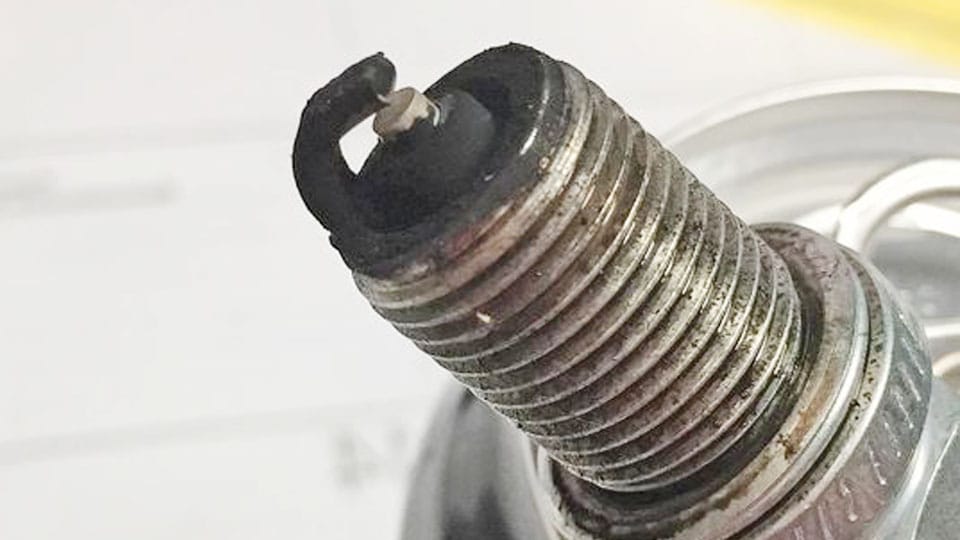
Yes. Bad spark plugs can overheat and contaminate the catalytic converter, and a persistent misfire can damage it fast enough to trigger P0420 or P0430 and a costly replacement. Here’s the damage path, the exact parts to inspect first, and the stop-driving signs that matter most.
How misfires can overheat the converter
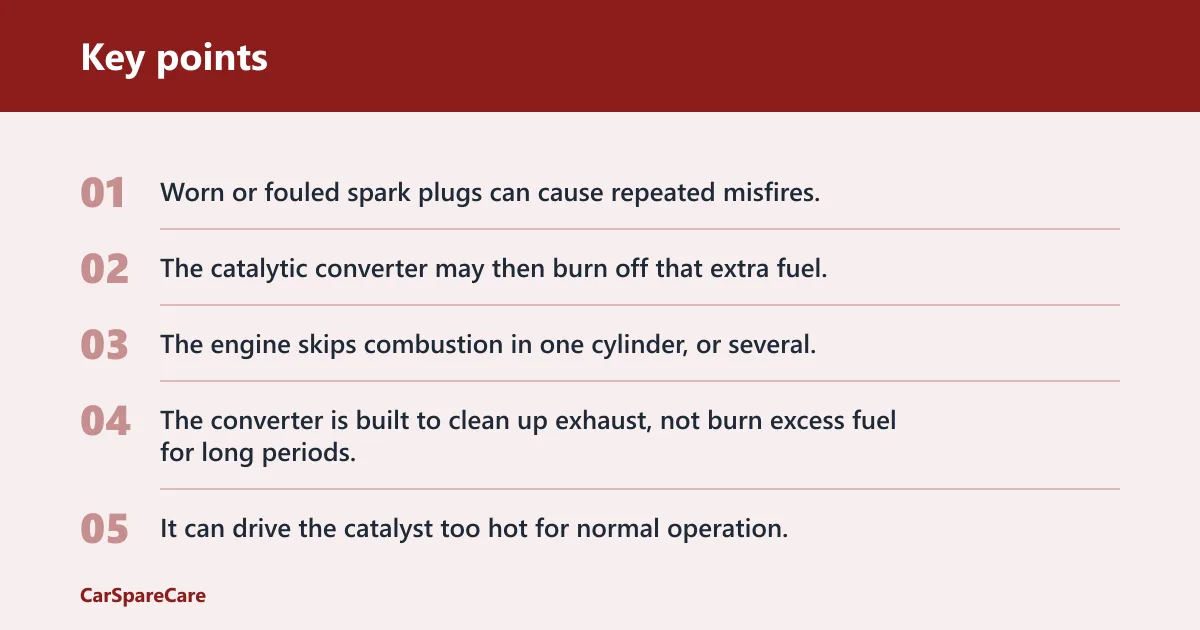
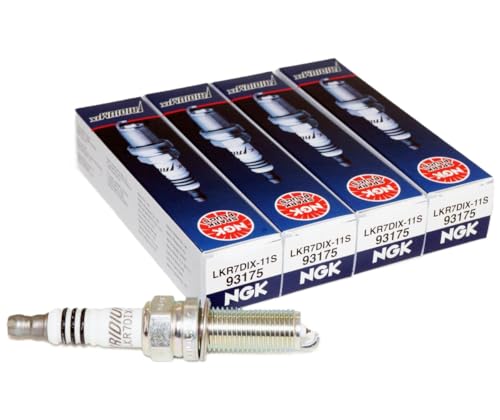


Worn or fouled spark plugs can cause repeated misfires, allowing unburned fuel to leave the cylinder and enter the exhaust. The catalytic converter may then burn off that extra fuel, which can overheat the substrate, reduce efficiency, and, if the misfire continues, may eventually damage the converter.
A misfire is the key link. The engine skips combustion in one cylinder, or several, so raw fuel and extra oxygen move downstream. The converter is built to clean up exhaust, not burn excess fuel for long periods.
That heat load can do two things. It can drive the catalyst too hot for normal operation, and it can stress or melt the ceramic or metallic substrate inside the converter. Once that happens, the converter may lose efficiency even after the original misfire is fixed.
What a misfire does to the converter
Unburned fuel and oxygen in the exhaust are the problem. The converter’s coating uses heat and chemical reactions to reduce emissions, but raw fuel can raise exhaust temperature sharply. That is why a steady misfire is far more damaging than a brief stumble at start-up.
Repeated misfires raise repair cost fast. A low-cost ignition fix may prevent a converter replacement that can run into four figures on many cars, especially when the substrate has already been overheated and the efficiency code keeps returning.
Bad spark plug symptoms to spot first
Look for rough idle, hesitation under load, hard starting, and poor fuel economy. The check engine light may glow steadily for a mild problem or flash when the misfire is severe enough to risk converter damage.
Check for wear, fouling, the wrong gap, or an incorrect heat range. A plug that is too worn or too cold may foul. A plug that is too hot can promote pre-ignition or abnormal combustion. Most manufacturers list spark plug service intervals in the owner’s manual or maintenance schedule, and many iridium plugs last far longer than older copper designs.
Say your 2.0L four-cylinder idles smoothly cold, then begins shaking after a stoplight pull and sets P0302. That pattern points first to the No. 2 cylinder’s ignition or fuel delivery, not immediately to the converter.
Could coils or injectors be the real cause?
Yes. Coil-on-plug failures, injector faults, low fuel pressure, compression loss, and vacuum leaks can all mimic bad spark plug symptoms. The plug may be part of the problem, but it is a mistake to assume it is the only one just because the engine misfires.
On coil-on-plug systems, the coil sits directly above the plug and handles secondary ignition. A weak coil can misfire under load, at high rpm, or only when the engine is hot. That failure pattern can look very similar to worn plugs, and bad plug boots can add another failure point.
How coils can look like spark plug trouble
Ignition coils can create the same rough idle and hesitation that a worn plug does. A weak coil may set a cylinder-specific misfire code, and the code can move with the coil if you swap parts between cylinders. That is why parts swapping is useful during diagnosis.
Boot corrosion, oil in the plug tube, or a cracked coil housing can also create intermittent secondary ignition failure. If a coil and plug are both worn, the misfire may be more obvious under load than at idle.
Injector and engine look-alikes
An injector that leaks or sticks open can flood one cylinder and create a rich misfire. A clogged injector can do the opposite and cause a lean misfire. Compression problems and vacuum leaks can also trigger misfire codes, so spark plugs should be checked alongside fuel and mechanical causes.
Fuel trims help here. Strong positive trims suggest the engine is adding fuel to correct a lean condition. Strong negative trims suggest it is pulling fuel because the mixture is rich. Those numbers do not name the fault, but they help separate spark, fuel, and air issues.
Suppose a V6 sets P0306 and the long-term fuel trim on that bank is strongly positive. A vacuum leak or fuel delivery issue becomes more likely than a single worn plug, especially if the plug looks normal and the coil swap does not move the misfire.
Scan codes and data first
Start with OBD-II codes and live data before replacing parts. Stored codes show what the vehicle has already logged, pending codes show faults that have appeared but not fully matured, and freeze-frame data captures the operating conditions when the fault set. Live misfire data can show which cylinder is active right now.
P0300 means random or multiple-cylinder misfire. P0301 through P0308 point to a specific cylinder. A cylinder-specific code often helps narrow the search to one plug, one coil, one injector, or one mechanical problem.
Why P0420 often follows a misfire
P0420 is a catalyst efficiency code for one bank. The downstream oxygen sensor sees a pattern that suggests the converter is not storing and cleaning exhaust as well as expected. That code is often secondary to a long-running misfire, not proof that the converter failed first.
That is why diagnostic priority matters. If you chase P0420 before fixing the misfire, the new converter may be exposed to the same raw fuel that damaged the old one.
What to check in the scan tool
- Read stored and pending codes.
- Note whether the misfire is random or cylinder-specific.
- Save freeze-frame data before clearing anything.
- Watch live misfire counts if the scanner supports them.
- Check short-term and long-term fuel trims.
- Only then decide whether to inspect plugs, coils, injectors, or exhaust components.
Misfire triage table
| Symptom | Likely cause | OBD-II codes to check | Recommended next step |
|---|---|---|---|
| Rough idle, light stumble, no flashing light | Worn spark plug, fouled plug, or coil starting to weaken | P0300, P0301-P0308 | Inspect plugs and coil boots first. Check plug gap, wear, oil fouling, and service interval. |
| Hesitation under load, worse on acceleration | Weak coil-on-plug unit, incorrect plug heat range, or worn gap under cylinder pressure | P0300, P0301-P0308 | Swap the coil with another cylinder if possible. Compare live misfire data and retest. |
| Rough running with fuel smell or dark plugs | Leaking injector, rich fueling issue, or contaminated plug | P0300, P030x, rich fuel-trim data | Check injector balance, fuel pressure, and fuel trims before replacing the converter. |
| P0420 after a long misfire history | Catalyst efficiency loss from overheating, or upstream misfire still present | P0420, plus any P030x codes | Fix the misfire first. Then retest catalyst performance after the engine runs cleanly. |
| Flashing check engine light, severe shake, power loss | Active severe misfire that can overheat the converter | P0300, P0301-P0308, possibly P0420 later | Stop driving. Park the vehicle and inspect before more exhaust damage occurs. |
How long can you drive with bad spark plugs?
Only a short time if the misfire is mild and the light is steady, and even then the car should be repaired soon. If the engine is shaking hard, losing power, or the check engine light is flashing, stop driving because the converter may be overheating right now.
The safe answer depends on severity, not miles alone. A slightly worn plug that causes a slight miss may allow a short trip to a repair bay. A plug or coil that causes a severe misfire can damage the converter in minutes, especially under load.
A common first-timer mistake is driving home on a flashing light because the car still moves. Picture a sedan that bucks on a hill with a flashing CEL and a sulfur smell from the tailpipe. That is not a “finish the commute” warning.
When to park it
Park the vehicle if the engine shakes hard at idle, the CEL flashes, power drops sharply, or a strong fuel smell comes from the exhaust. Those signs mean the misfire is active enough to risk converter damage and possibly damage to nearby exhaust parts.
For a steady CEL with mild symptoms, book diagnosis quickly and avoid hard acceleration. That reduces heat and gives you a better chance of saving the converter if the cause is still upstream.
Frequently asked questions
Can bad spark plugs cause catalytic converter code?
Yes. Bad spark plugs can trigger a misfire that later sets P0420 or P0430 if the converter overheats or the downstream oxygen sensor sees poor efficiency.
Can misfire damage the catalytic converter?
Yes. A misfire sends unburned fuel into the exhaust, where it can burn in or near the catalytic converter. That extra heat can damage the substrate and lower efficiency. The longer and harder the misfire runs, the higher the risk of converter failure.
Can a misfire trigger a check engine light and P0420 code?
Yes. A misfire can trigger a check engine light immediately through P0300 or a cylinder-specific code, and a long-running misfire can later produce P0420 if the converter’s oxygen storage and cleanup performance drops. The misfire code should be addressed first.
How do you know if a bad spark plug or coil pack is causing the misfire?
Use code location, live misfire data, and parts swapping. If the misfire stays on one cylinder after swapping the coil, the plug, or the boot, the fault may be elsewhere. If the misfire follows the swapped part, that part is the better suspect.
Will replacing spark plugs fix catalytic converter damage?
Not always. New plugs can stop the misfire and prevent more damage, but they cannot undo a converter that has already overheated or melted internally. If P0420 remains after the misfire is fixed, the converter may already be damaged and need further testing.
What should you check first if you suspect spark plugs are causing converter damage?
Scan the codes first, then inspect the plugs and coils, and then check injectors, fuel trims, and catalyst data. That order helps you find the cause before replacing parts that may not be the real fault. Stop driving if the CEL flashes or the misfire is severe.

Hi, I’m Melvin, an automobile engineer with extensive experience in automobile equipment. I currently work for a local automobile firm, where I specialize in the car parts industry. I’ve had the opportunity to collaborate with seasoned inspectors, gaining invaluable hands-on experience that goes beyond just theory.
My passion for automotive care started at a young age, which led me to create CarSpareCare. Through CarSpareCare, I share the knowledge and skills I’ve acquired over the years to help others navigate the world of car maintenance and repairs.
My goal is to provide practical tutorials, essential safety advice, and the latest industry insights so that anyone—whether a beginner or an expert—can confidently tackle their automotive projects.