A wheel that feels warm after normal driving can be normal, but one corner that is much hotter than the others, or any burning smell, points to a dragging brake, failing bearing, or tire problem; pull over at once if you see smoke. Ignoring it can cook pads, damage hubs, and leave you stranded. This guide shows how to compare all four corners and match the heat pattern to the likely fault.
Normal heat vs a warning sign


Brake heat is normal. Brake rotors are built to turn motion into heat, and the wheel, hub, and rim can absorb some of that heat on the way out. The problem is a single corner that is much hotter than the others, especially if the smell, noise, pull, or vibration points to a fault.
Keep the parts separate in your head. The rotor is the brake disc, the hub sits in the middle, the wheel bolts to the hub, and the tire touches the road. A hot rim may be getting heat from the rotor or hub, while the tire itself may be hot from underinflation or heavy rolling resistance.
Wheel material changes how heat feels and cools. An alloy wheel often sheds heat faster than a steel wheel, so a steel wheel may feel hotter for longer even when the source is similar. That does not change the root cause.
Hot wheel diagnosis matrix
| Wheel position | Smell | Noise | Pull | Vibration | Likely cause | Safe next step | Stop-driving threshold |
|---|---|---|---|---|---|---|---|
| One front wheel | Burning brake smell | Scraping or grinding | Pulls to that side | Possible brake shimmy | Brake caliper drag or stuck slide pins; rotor heat transfer can make the wheel feel hot | Let it cool, check for smell and wheel-to-wheel temperature difference, then inspect brake hardware | Stop now if smoke, severe pull, or the wheel is far hotter than the others |
| One rear wheel | Hot brake or lining odor | Light squeal, rubbing, or hum | Rear drift or slight drag | May be smooth or pulsing | Parking brake dragging, rear caliper issue, collapsed brake hose, or rear bearing heat | Check parking brake release and compare rotor and hub temperature when safe | Stop now if the odor is strong or the wheel gets hot again after a short drive |
| Both front wheels | Hot brake smell after hard stops | Usually quiet | May feel sluggish | None or mild | Normal heat after mountain driving, towing, repeated hard braking, or performance brakes | Compare against rear wheels after a cool-down | Stop if both fronts stay much hotter than the rears on a short, easy drive |
| All four wheels | Little or no burn odor | Usually no abnormal noise | Reduced range or heavy feel | Usually none | Low tire pressure, heavy load, aggressive driving, EV regen use, or hill descents | Check cold tire pressure and loading first | Stop if one wheel is much hotter than the others or any smoke appears |
How to compare wheel temperatures safely
-
Let the car cool briefly.
Wait long enough that you can stand near the wheels without heat shock. About 10 to 20 minutes is often enough for a quick wheel temperature comparison, but hotter brakes may need longer. Do not reach behind the wheel or touch the rotor. -
Measure all four corners.
Use an infrared thermometer on the wheel center, rotor face if visible, and hub area from the same distance each time. Compare each corner with the others, not with a guessed normal number, because driving style and weather change absolute temperatures. -
Check smell and sound.
A burning odor at one corner supports brake drag. A humming or growling sound points more toward a wheel bearing, especially if the sound changes with speed or steering load. -
Look for uneven wear.
Compare tire pressure cold, note any cupping or feathering, and look for one wheel that seems dustier than the others. That pattern can help separate tire issues from brake heat.
What not to touch matters. The rotor, caliper, hub, and wheel barrel can stay hot enough to burn skin even after the tire feels only warm. Gloves are better than bare hands, and a non-contact thermometer is safer than guessing.
What a hot front wheel usually points
A hot front wheel most often points to brake drag, because front brakes do more work during stopping. If only one front corner is hot, suspect a stuck caliper, seized slide pins, or a hose that traps pressure. If both fronts are hot after hill driving or repeated hard stops, the heat may be normal.
Brake caliper drag
A brake caliper can stick or drag when corrosion, worn hardware, or a sticking piston keeps the pad in contact with the rotor. That heat transfers into the rotor, hub, and wheel. One front wheel that is much hotter than the other front wheel is a classic clue.
Rotor heat transfer
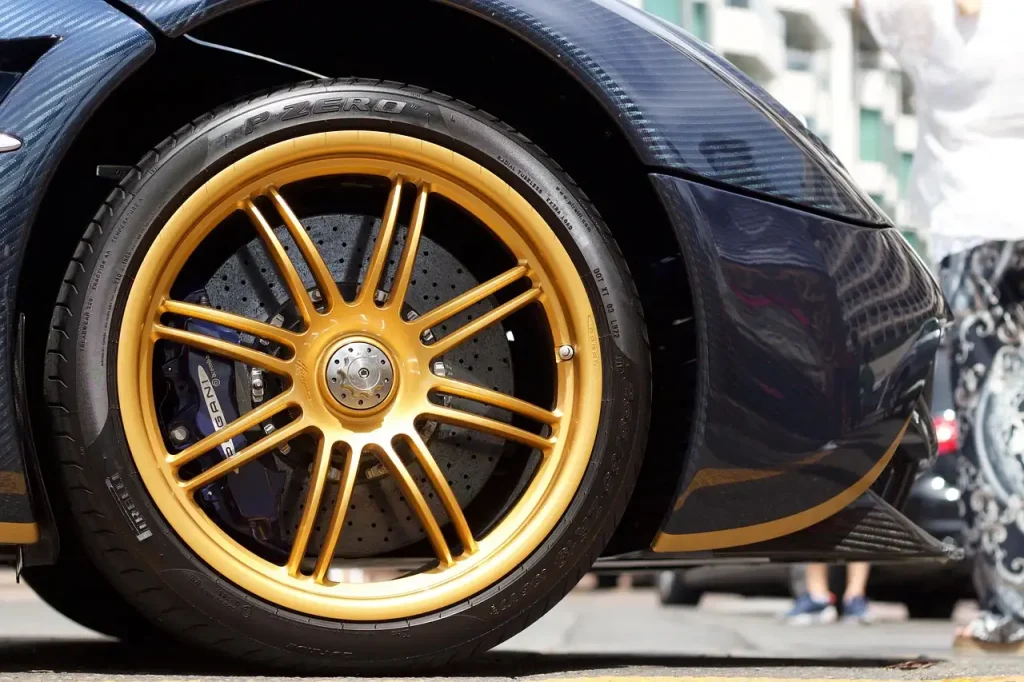
The rotor is supposed to get hot. It is the main heat path from the brake pads, so the wheel near it can feel hot too. Ventilated rotors usually shed heat better than solid rotors, but either type can overheat if the brake is dragging or if repeated hard braking has pushed the system hard.
Wheel bearing or hub heat
A wheel bearing can generate heat from friction inside the hub. That problem often brings a humming or growling noise, and the wheel may show play when lifted. A hot hub with a strong bearing noise is more suspicious for bearing wear than for simple brake heat.
Suppose the left front wheel is very hot after a 12-mile commute, and the car also pulls slightly left when you lift off the throttle. That pattern fits brake drag more than normal heat, because the pull and one-corner temperature rise line up on the same side.
Why is my rear wheel hot after driving?
A hot rear wheel often points to the parking brake, a rear caliper problem, or a rear brake hose that is holding pressure. Rear-wheel heat can also come from a wheel bearing or hub issue. If the rear corner is hot after a short drive, that is more suspicious than if it happened after a long downhill stretch.
Parking brake drag
The parking brake can stay partially engaged or fail to release fully, especially on the rear wheels. That creates heat and a sharp brake smell after even a short trip. If one rear wheel is hot and the parking brake feel is odd or the lever does not return cleanly, inspect that system first.
Rear caliper or hose problems
A rear brake caliper can stick just like a front one. A collapsed brake hose can trap hydraulic pressure and make the drag intermittent, which is why the problem can be hard to reproduce in a driveway. The wheel may heat up again after a normal stop-and-go drive.
Rear wheel bearing and hub issues
Rear bearing heat is often quieter than brake drag at first. Look for a humming tone that changes with speed, plus hub heat that seems centered in the middle of the wheel rather than concentrated at the rotor area. If the hub is hot and there is play, do not ignore it.
What if both front wheels or all four are hot?
When both fronts are hot, think about driving load first: mountain descents, towing, repeated hard braking, performance brakes, and EV brake regeneration can all create more heat than short city trips. When all four are warm, tire pressure and road load rise higher on the list, especially if no single corner is much hotter than the rest.
Tire pressure and rolling resistance
Low tire pressure increases flexing, rolling resistance, and heat. Check pressure cold, before driving, and use the vehicle placard number rather than a guess. Overinflation can also change the contact patch and wear pattern, but underinflation is often cited as a more common heat problem.
Mountain driving, towing, and hard braking
Long descents and heavy loads can make front brakes and rotors very warm without a fault. That is especially true after repeated hard braking or towing. The key difference is symmetry: similar heat at both front corners, no strong odor from one wheel, and no pull or noise that points to one side.
EV brake regeneration and performance brakes
EVs may use regenerative braking heavily, which can leave the mechanical brakes cooler in light use but still warm after harder stops. Performance brake setups can also run hotter by design. Even then, one corner that is far hotter than the others is not normal and still needs attention.
A common first-timer mistake is to feel only the rim and assume the tire is the problem. The tire may be warm from road load, while the real fault sits at the hub or caliper. Compare the wheel center, rotor area, and tire separately if the design allows it.
When to stop driving
Stop driving now if you see smoke, smell a strong burning odor, hear grinding, feel a severe pull, or find one wheel that is noticeably hotter than the others. Those signs point to an overheating brake, bearing, or pressure problem that can get worse fast. If the wheel is too hot to approach safely, treat it as a tow-not-drive problem.
-
Pull over safely.
Move to a safe spot away from traffic and set the parking brake only if the rear wheel is not already the suspected problem. Do not keep driving to “see if it clears up.” -
Let heat drop.
Wait before opening the wheel area. Heat can linger in the rotor, hub, and caliper long after the tire stops feeling hot. -
Recheck the pattern.
Compare all four corners with an infrared thermometer or careful visual checks once the area is safe. If one corner is still much hotter, do not ignore it. -
Arrange inspection or tow.
A stuck caliper, bad bearing, parking brake fault, or collapsed hose needs proper repair. Loose lug nuts also need immediate attention with a torque wrench, not guesswork.
Frequently asked questions
Why is my wheel hot after driving?
A warm wheel can be normal because brakes transfer heat into the rotor, hub, and wheel. The warning sign is a single wheel that is much hotter than the others, especially with smell, pull, noise, or vibration. That pattern points to brake drag, bearing heat, or a tire issue.
Why are my front wheels hot after driving?
Both front wheels can run hot after mountain driving, towing, or repeated hard braking. That is less worrying than one front wheel being much hotter than the other. If only one front corner is hot, suspect a caliper, hose, or bearing problem on that side.
Should my wheels be hot after driving?
They can be warm, especially after braking or a long trip. They should not be smoking, stink of burning material, or be much hotter at one corner than the rest. A wheel that is hot enough to stand out clearly from the others needs attention.
Should my rims be hot after driving?
Yes, a rim can feel hot because it sits close to the rotor and hub. That heat alone does not prove a fault. The important question is whether one rim is far hotter than the matching corners and whether the car also pulls, vibrates, or smells burnt.
Why is my steering wheel hot while driving?
A hot steering wheel is a different problem from a hot wheel at the corner of the car. It usually points to cabin heat, sun load, a heated steering wheel feature, or an electrical issue, not brake or bearing heat. If the wheel is hot and the car pulls or vibrates, check the vehicle itself rather than the steering rim.

Hi, I’m Melvin, an automobile engineer with extensive experience in automobile equipment. I currently work for a local automobile firm, where I specialize in the car parts industry. I’ve had the opportunity to collaborate with seasoned inspectors, gaining invaluable hands-on experience that goes beyond just theory.
My passion for automotive care started at a young age, which led me to create CarSpareCare. Through CarSpareCare, I share the knowledge and skills I’ve acquired over the years to help others navigate the world of car maintenance and repairs.
My goal is to provide practical tutorials, essential safety advice, and the latest industry insights so that anyone—whether a beginner or an expert—can confidently tackle their automotive projects.