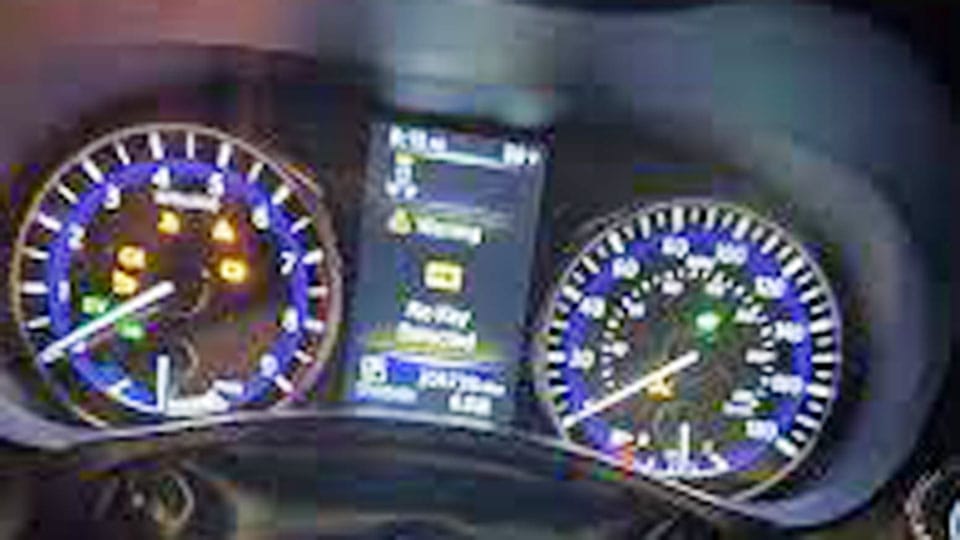
After a jump start, if the engine dies again or battery voltage stays below about 13.5–14.7 volts with the engine running, suspect a charging or drain fault rather than just a dead battery. Ignoring it can leave you stranded, overwork the alternator, and hide wiring damage. This guide gives the quickest fault-tree checks for a weak battery, bad alternator, poor connections, or parasitic draw.
This guide is part of our Car battery maintenance guide series.
What you’ll need


- Digital multimeter for open-circuit and running-voltage checks
- Battery charger, preferably with selectable amperage
- Jumper cables or a portable jump starter
- Safety glasses and gloves
- Battery terminal brush or wire brush
- Wrench for terminal and ground fasteners
- Vehicle owner’s manual for the correct jump-start points and procedure
Car battery diagnostic table
| Symptom after jump start | Likely cause | Quick check | Next action |
|---|---|---|---|
| No-crank | Weak battery, poor connection, or starter circuit issue | Measure battery at rest and inspect terminals | Clean, tighten, then retest voltage |
| Clicking only | Low battery voltage or bad cable connection | Check voltage while someone turns the key | Charge battery, then retest cables and grounds |
| Starts, then stalls | Alternator output problem or battery terminal issue | Measure running voltage at the battery | Inspect alternator belt, fuse, and charging output |
| Charges while driving but dies overnight | Parasitic draw or weak battery | Note whether it restarts after a long park | Test for draw after key-off and charge the battery fully |
| Battery light on | Charging-system fault | Check running voltage and charging warning circuit | Stop relying on jump starts and inspect the alternator system |
| Corroded terminals | Blocked current flow at the posts or clamps | Look for white or green buildup on positive or negative posts | Clean, dry, and retighten the connections |
| Loose ground | High resistance in the main return path | Wiggle-test the ground strap and body connection | Repair or replace the ground strap or fastener |
| Bad alternator | Charging system not restoring battery charge | Running voltage stays low with loads on and off | Test alternator output and belt drive |
| Parasitic draw | Module, relay, or accessory staying awake | Battery loses charge after sitting parked | Measure key-off current draw and isolate the circuit |
| Battery replacement threshold | Battery no longer holds charge or has low capacity | Open-circuit voltage stays low after charging | Replace the battery if it cannot recover and pass load testing |
Why your car battery still dies after a jump start
A jump start gives temporary power, not a full recharge. If the 12-volt battery was parked for days or weeks, it may be deeply discharged, sulfated, or simply worn out and unable to hold charge again. The other common paths are a bad connection, a charging-system fault, or parasitic drain after shutdown.
What a jump start can and cannot do
A jump starter or donor vehicle is meant to supply enough current to crank the engine. It does not fully restore the battery. That is why the vehicle may start, then stall later if the alternator is weak or if the battery cannot accept or retain charge.
Check these fault paths first
- Inspect the terminals. Look at the positive (+) and negative (-) battery posts, even if they are remote in a newer vehicle. Corrosion, cracked clamps, or loose fasteners can stop current flow.
- Measure resting voltage. Let the car sit off, then read open-circuit voltage at the battery. Below about 11.85 volts is often considered deeply discharged and may need a long charge before it will start normally.
- Confirm charging output. Start the engine and check voltage again. The alternator should recharge the battery while driving, but it is not meant to rebuild a completely dead battery by itself.
- Watch for overnight loss. If it starts after a jump but dies again the next day, a parasitic draw or a battery that no longer holds charge is a likely cause.
Say your sedan shows 11.6 volts after sitting two weeks. A jump start gets it running, but the engine stops after the next grocery run. That pattern points first to a battery that is too far discharged or damaged, not a starter problem.
How to narrow the fault
Use the simplest checks first. Clean connections and a voltage reading will separate many battery complaints from charging-system or drain faults before you replace parts. On newer vehicles, the owner’s manual matters because battery sensors and special computer resetting can change the procedure.
- Clean and tighten the connections.
- Disconnect safely. Turn the car off, remove the key, and follow the owner’s manual jump-start order or charging procedure.
- Clean both posts. Remove corrosion from the battery terminals and clamp faces until bare metal shows. Refit and tighten them so they do not rotate by hand.
- Check grounds. Inspect the negative cable to body and engine points. A loose ground can mimic a dead battery and cause clicking only.
- Use voltage to judge state of charge.
- Read open-circuit voltage. Test the battery after the car has sat off. If it is deeply discharged, charge time will be longer than a quick drive can provide.
- Estimate the recovery window. A battery below about 11.85 volts may take roughly 12 hours on a 5-amp charger or about 6 hours at a 10-amp rate, and lower amperage is generally the gentler approach.
- Retest after charging. If voltage rebounds and the car starts cleanly, the battery was likely undercharged rather than failed.
- Check for parasitic drain after the car sits.
- Park and lock the car. Let modules go to sleep before testing again.
- Compare morning voltage. If it drops fast overnight, a draw is likely.
- Pull suspect fuses. Remove one fuse at a time to see which circuit stops the drain. On start-stop vehicles, check the manual first because battery sensors and memory systems may need a specific reset path.
Picture an SUV that starts after a jump and drives fine for 20 minutes, then shows a battery light the next morning and will only click. That sequence points away from a simple dead battery and toward a charging fault or a drain that appears after shutdown.
Can the alternator still be the problem?
Yes. A jump-started battery can hide an alternator fault for a short time. If the battery light stays on, the running voltage stays low, or the car dies after the jump is removed, check the alternator, its belt, fuse, and wiring next. Repeated jump-starts can overwork the alternator.
Why the alternator may not recover a dead battery
The alternator is generally meant to maintain a charged battery while the engine runs. It is not designed to restore a completely dead one from scratch, especially after deep discharge. If the battery is heavily drained, the alternator may be forced to carry too much load for too long.
How long should you charge it?
Use a dedicated battery charger if the battery is more than lightly discharged. Driving after a jump start helps, but it often only gives the battery a surface recovery. If open-circuit voltage started below about 11.85 volts, plan on many hours of charging, not minutes.
Charging with a battery charger
- Choose low current first. Set the charger to a lower amperage when possible. Low-amp charging is slower, but it is gentler on the battery than high-amp charging.
- Connect correctly. Attach positive to positive and negative to a clean chassis ground or the battery’s negative post, following the manual for vehicles with remote terminals.
- Charge, then recheck. After the estimated time, measure voltage again. If it still will not hold, the battery may be at replacement threshold.
Driving after a jump start
- Keep it running. Consumer Reports says to keep the jump-started vehicle running for at least 15 minutes.
- Drive, don’t idle only. A longer drive helps the charging system do more work, but it still may not fully recharge a deeply discharged battery.
- Recheck after shutdown. If it restarts weakly after sitting, the problem is still there.
How long does car battery last after jump start? Long enough to prove the fault path, and sometimes not much longer. If the battery was simply drained by sitting parked for days or weeks, a charger may recover it. If the battery is worn, the next stop after a jump may be the same as the last one.
Common mistakes
- Using a jump start as the final fix instead of a temporary boost.
- Skipping terminal corrosion, loose clamps, or a bad ground.
- Assuming the alternator is fine because the engine started once.
- Charging too briefly after a deep discharge.
- Ignoring remote battery terminals and sensor layouts on newer vehicles.
- Ignoring the owner’s manual on cars with start-stop systems or special reset steps.
Frequently asked questions
Why is my car battery not charging after a jump start?
The usual causes are a battery that is too deeply discharged or worn out, bad terminal contact, a weak alternator, or a parasitic draw after shutdown. Start with voltage at rest, then check charging voltage while the engine runs, then inspect the posts, grounds, and fuses.
How long should I drive after a jump start to recharge the battery?
At minimum, keep the vehicle running for at least 15 minutes, then drive long enough to confirm the battery recovers and restarts again. If resting voltage was very low, driving alone may not be enough, and a charger is the better next step.
How long to charge dead car battery after a jump start?
For a battery below 11.85 volts, Meineke says about 12 hours at 5 amps or about 6 hours at 10 amps. The lower setting is gentler. A deeper discharge, larger capacity battery, or cold weather can extend that time.
How long does it take a dead battery to charge after a jump?
There is no single number, because charge time depends on battery state, charger amperage, and battery capacity. A practical check is open-circuit voltage before and after charging. If voltage still falls fast after a full charge, the battery may need replacement.
Can the alternator still be the problem if the battery was jump-started?
Yes. A jump start only gets the engine running. If the battery light stays on, running voltage is low, or the car dies again while driving, test the alternator output, belt condition, and charging fuse before assuming the battery alone is at fault.

Hi, I’m Melvin, an automobile engineer with extensive experience in automobile equipment. I currently work for a local automobile firm, where I specialize in the car parts industry. I’ve had the opportunity to collaborate with seasoned inspectors, gaining invaluable hands-on experience that goes beyond just theory.
My passion for automotive care started at a young age, which led me to create CarSpareCare. Through CarSpareCare, I share the knowledge and skills I’ve acquired over the years to help others navigate the world of car maintenance and repairs.
My goal is to provide practical tutorials, essential safety advice, and the latest industry insights so that anyone—whether a beginner or an expert—can confidently tackle their automotive projects.