Maintain a 12V car battery by keeping terminals clean and tight, avoiding deep discharge, and checking resting voltage: 12.6V is full; 12.4V or less needs charging and diagnosis. Ignore that and you risk no-starts, shorter battery life, or replacing a battery when the real fault is cables or charging. This guide covers home checks, early warning signs, and how to separate battery trouble from connection or alternator problems.
What your battery does and when it needs attention


What a 12V automotive battery does
A 12V automotive battery powers the starter motor, feeds control modules and memory circuits before the engine is running, and can support lights, locks, infotainment, and other loads when demand briefly exceeds charging output. It also helps stabilize system voltage as loads switch on and off, which is why a weak battery can show up as slow cranking, clock resets, or erratic accessories before it quits completely.
Why modern batteries still need owner checks
Most modern batteries are sealed or low-maintenance, but that does not mean you can ignore them. Owner maintenance mostly means inspection, cleaning, charge support during inactivity, and testing before replacement. In practice, that means keeping terminals clean and making sure the clamps are actually tight.
Service life: what three to five years really means
Car batteries typically last three to five years. That is a service-life window, not a promise. Extreme heat can shorten a battery’s lifespan, repeated trips that are too short to replace starting energy can leave it undercharged day after day, and high electrical demand can increase the number of partial-charge cycles a battery experiences.
Age matters more once a battery is near that window and starts showing symptoms. A battery can still be fully charged and still be weak under load, which is why inspection and testing need to come before replacement.
What an overcharged battery can damage
An overcharged battery does more than lose charge capacity: excess voltage can boil off electrolyte, warp the plates, and shorten the battery’s life fast. It can also strain the alternator and leave you chasing a recurring no-start even after the battery is replaced. The supporting guide explains the warning signs, the most likely causes, and how to sort out whether the battery, alternator, or voltage regulator is the real problem. If you want the practical next steps for diagnosis and repair, see this overcharged battery guide.
Do car batteries need maintenance?
Yes. Even sealed car batteries still need owner checks for charge level, terminal corrosion, cable tightness, case damage, and charging-system problems. Maintenance cannot reverse internal wear, but it can prevent avoidable no-starts and stop a good battery from being blamed for a bad connection or alternator fault.
What sealed and low-maintenance batteries still need
Routine care is simple: check the case for cracks or swelling, make sure the hold-down is secure, confirm the clamps do not twist by hand, inspect cable insulation for damage, and look for white or blue-green corrosion at the posts. Seasonal checks are recommended before summer and winter. Those checks matter because heat speeds internal wear and cold reduces available cranking performance.
What maintenance cannot fix
Maintenance will not repair a cracked case, swollen battery, acid leakage, failed internal cell, or a battery that fails a proper load or conductance test. It also will not cure a charging-system fault. If the battery keeps going flat after charging, the problem source can be the battery, the alternator, or the connections.
When age matters more than upkeep
Once a battery approaches the usual three to five years, caution rises sharply if the car sees short trips, hot-climate parking, or heavy electrical loads. Stop-start vehicles deserve extra care here because they cycle the battery more often and usually require the correct replacement type, often AGM or EFB as specified by the vehicle maker.
How often should you inspect your car battery?
For most drivers, a quick visual check about once a month and a more careful inspection before summer and winter is a sensible baseline. Increase that cadence if the car sits often, takes frequent short trips, lives in high heat, or has started showing slow cranking, dim lights, or corrosion.
Baseline inspection schedule for most drivers
A monthly check should take only a minute or two. Look for loose clamps, white or blue-green corrosion, damaged insulation, and any sign the hold-down is missing or loose. Add a voltage check after the car has rested if starting has been inconsistent.
Hot climate, cold climate, and short-trip adjustments
Heat accelerates wear, so cars parked outdoors in hot climates deserve closer attention during warm months. Cold weather reduces cranking performance, so a marginal battery often reveals itself on the first hard-cold start. Short-trip use is its own risk because the energy used for starting may not be fully replaced before the next shutdown.
Infrequent-use and stored-vehicle cadence
If the vehicle sits for long periods, charge support matters more than inspection alone. AAA says to use a battery tender during periods of inactivity. That advice fits seasonal vehicles, second cars, and any car that may sit long enough for parasitic draw and self-discharge to pull the battery below a healthy resting charge. (AAA)
How to maintain car battery life
To maintain car battery life, keep the battery charged, avoid repeated short-trip use when possible, reduce electrical drain with the engine off, and use a battery tender when the vehicle sits. Those habits help the battery recover after starting and reduce the chronic undercharge that shortens service life.
Driving patterns that help or hurt charge recovery
Frequent short trips can shorten battery life. Starting takes a heavy burst of current, and repeated short runs may not give the charging system enough time to replace it. If the car mainly does low-mile errands, testing and occasional charging become more important than age alone suggests.
Picture a car used for a 2-mile school run twice a day, with the rear defroster, seat heaters, and blower on high in winter. The engine starts fine for weeks, then suddenly cranks slowly on a cold morning. That pattern points to chronic undercharge before it points to immediate battery replacement.
Reducing drain from accessories and add-ons
High accessory loads make a battery work harder. Dash cams in parking mode, aftermarket audio amplifiers, remote-start systems, fridge coolers, and frequent charging of devices can all increase draw. Turn accessories off before shutdown when possible, and investigate any add-on that stays powered with the engine off.
Stop-start systems also deserve attention. These vehicles depend on a battery designed for deeper cycling and faster recovery. Fitting a standard flooded battery where AGM or EFB is required can lead to poor stop-start operation, warning lights, and shortened battery life.
When a battery tender makes sense
A battery tender or trickle charger is for vehicles that sit long enough to lose charge between drives. Use one for storage, seasonal cars, infrequent driving, and any vehicle that repeatedly needs a jump after sitting. A tender maintains charge; it does not diagnose a weak battery or a charging fault.
Dead-battery recovery basics
- Confirm same voltage. Use a 12V jump starter or a donor vehicle with the same 12V system. Using the wrong jump-start system voltage can damage electronics and may not provide a useful read on battery health.
- Connect in order. Follow the vehicle manual if it specifies remote jump points. In general, connect positive to the dead battery first, then positive to the donor, then negative on the donor, then the final negative to the disabled vehicle’s designated ground point away from the battery if the manual calls for it.
- Start and assess. If the engine starts, that only proves the car accepted outside power. It does not prove the battery is healthy, and it does not rule out alternator, cable, or parasitic-draw problems.
- Test afterward. After a jump-start, inspect the terminals, check resting voltage after the battery is recharged, and test the battery if the problem repeats. Halfords groups battery care with battery chargers, jump starters, jump leads, and accessories for good reason: recovery tools are useful, but diagnosis still matters.
When a Solar Panel Can Keep a Car Battery Ready
A small solar panel can help prevent a parked car battery from going flat, but it is not always enough to recover one that is already deeply discharged. The supporting guide explains the practical wattage ranges that can maintain a 12V battery, slow its discharge, or fall short entirely, so you can match the panel to your parking habits and battery condition.
It also covers when a charge controller is needed, which battery types respond best, and why a solar setup is often a maintainer rather than a true rescue tool. If you are comparing a maintainer against a jump starter or full charger, solar battery charging helps you decide what will actually keep the car ready to start.
Choose the Right Car Battery Charger
If you need to top up, maintain, or recover a battery at home, this guide explains how to choose the right charger based on battery type, voltage, and amperage. It breaks down when a 1–2 amp maintainer makes sense, when a 4–10 amp charger is faster and still safe, and why smart charging modes matter for lead-acid and lithium batteries. The article also helps you match features to the job, whether you’re preparing for winter storage, routine upkeep, or an unexpected flat battery.
Use the battery charger guide to avoid common mistakes like undercharging, overcharging, or buying a charger that cannot handle your battery chemistry.
If the battery dies again after a jump start
If your car starts after a jump but then dies again, the problem is often not the battery alone. The next step is to check whether the alternator is charging properly, whether the battery connections are loose or corroded, or whether something is draining power while the car is off. A simple voltage check can quickly separate a weak battery from a charging or drain fault.
The jump-start charging faults guide shows the fastest checks in plain order, so you can avoid replacing a good battery, spot alternator trouble early, and reduce the chance of being stranded again.
What signs show a car battery is weakening?
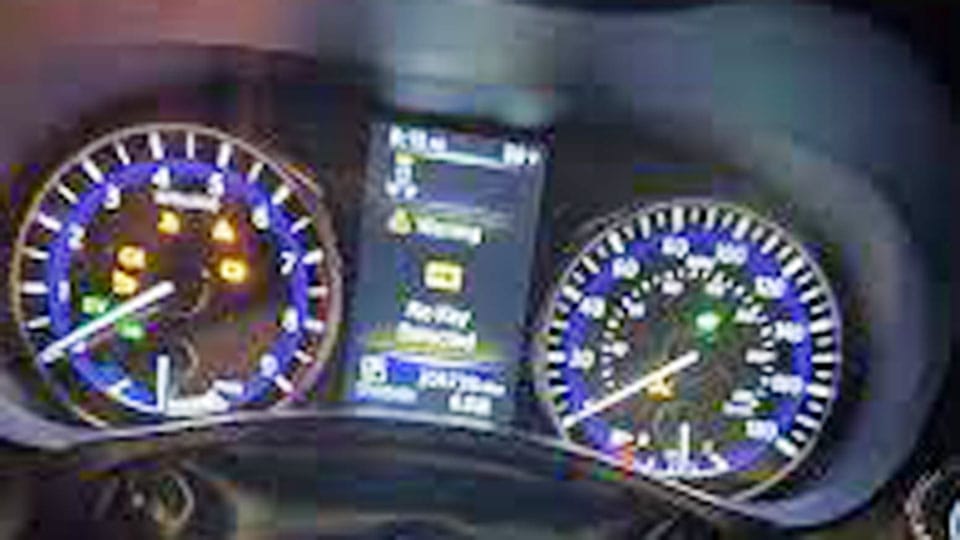
Watch for a slow engine crank, clicking on start, repeat jump-starts, dim lights, electrical resets, visible corrosion, and any battery warning light. Those signs point to a charging or starting problem, but they do not automatically prove the battery itself is bad, so inspect and test before replacing.
Starting symptoms and electrical clues
A slow engine crank is a warning sign of battery trouble. Dim lights are listed as a warning sign of a failing battery. Clicking, clock or radio resets, and power accessories acting weak during cranking also belong on the list, especially if the symptoms get worse after the car has been sitting.
What corrosion, swelling, or leakage means
Visible corrosion is included among warning signs to watch for. Corrosion and loose terminals raise resistance, which can limit current flow during cranking and interfere with charging. A swollen case suggests heat damage or overcharging. Cracks or acid leakage call for immediate replacement and careful cleanup, not another round of charging.
What the battery warning light can and cannot tell you
The battery warning light is a charging-system warning, not a simple “replace the battery” message. It can indicate alternator output problems, wiring faults, a slipping belt, or battery-related trouble. If that light comes on while driving, further inspection is needed even if the car still starts normally.
Say your dash battery light flicks on at idle with the headlights and rear defroster running, then goes out when engine speed rises. That pattern points more toward charging-system output or wiring than a terminal-cleaning issue, and it deserves prompt diagnosis.
When to replace a weak car battery
If your battery is getting older and the car still struggles to start after charging, replacement is usually the safer next step. The supporting guide explains the clearest signs that a battery is done, including low resting voltage, repeated no-starts, and batteries that keep dying even after a full charge. It also helps you separate a battery problem from a charging issue, so you do not replace a part that could still be saved.
That matters because a weak battery can leave you stranded and put extra strain on the charging system. For a practical checklist of symptoms, voltage clues, and decision points, see car battery replacement signs.
Inspect, clean, and secure the connections
What to inspect before cleaning
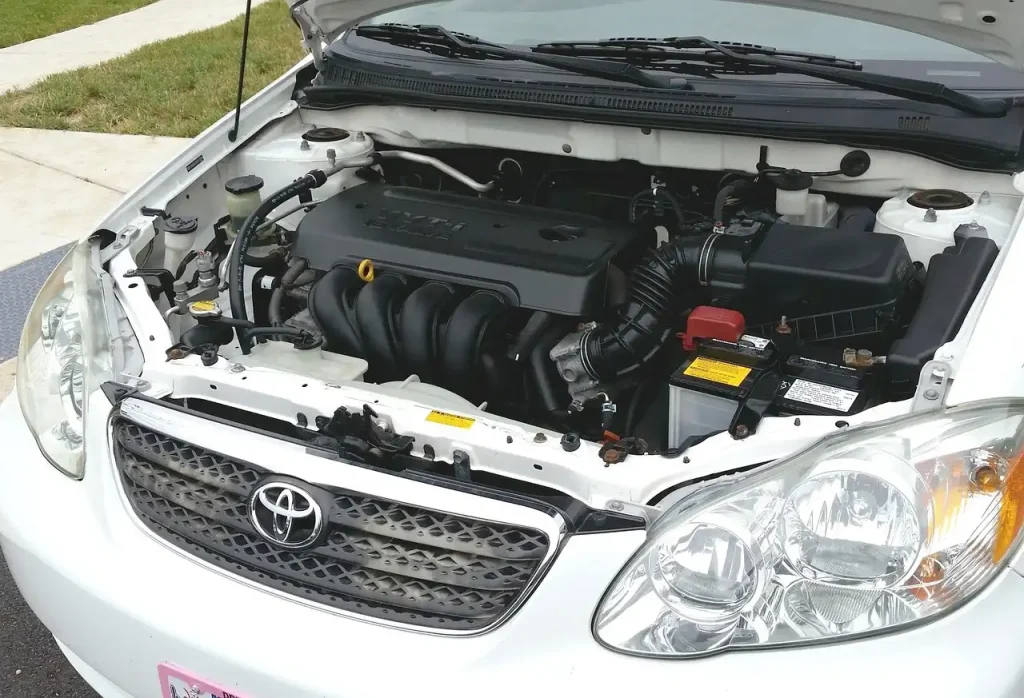
Start with the basics: case swelling or cracks, wetness around vents or caps, a secure hold-down, frayed or stiff cable insulation, and clamps that can be moved by hand. A battery that is physically damaged should not be cleaned and put back into service as if nothing happened.
Corrosion often hides under terminal covers or around the clamp split. If a terminal is loose enough to rotate, it can create the same complaints as a weak battery. Fix the connection first, then test again.
Cleaning and tightening procedure
- Shut the car down. Turn the ignition off, remove the key, and let the system go to sleep. Wear eye protection and gloves if corrosion is heavy or any wet residue is present.
- Inspect for damage. Look for cracks, swelling, or leakage before touching the terminals. If the case is damaged or acid is visible, stop and replace the battery after the area is made safe.
- Disconnect the negative. Remove the negative terminal first, then the positive if both need cleaning. This reduces the chance of an accidental short to ground with a tool.
- Clean the buildup. Use a battery terminal brush or suitable cleaning tool to remove corrosion from the posts and the inside of the clamps. The goal is bright, bare contact surfaces, because corrosion raises resistance and blocks current flow.
- Reconnect and tighten. Install the positive terminal first, then the negative. Tighten the clamps so they cannot be twisted by hand; a clean but loose connection can still cause hard starts and charging complaints.
- Recheck after starting. Start the engine and watch for normal cranking speed and stable electrical operation. If symptoms remain, move on to battery and charging-system testing rather than cleaning again.
Test the battery before you replace it
Voltage checks and their limits
A resting-voltage check is a useful first screen, especially after the battery has sat with the engine off. A resting reading near 12.6V is commonly taken as a fully charged battery, while 12.4V or less generally suggests a battery that needs charging and diagnosis. Still, voltage alone does not measure cranking health. A charged battery can still collapse under load.
CCA analyzers, conductance testers, and load testing
A battery tester can check state of charge and cranking health. Conductance or CCA analyzers estimate starting ability quickly and are a good owner-level tool if several vehicles need checking. A traditional load test remains valuable because it shows how the battery behaves under demand, which is often where weak batteries fail.
When owner-level tools are worth buying
A simple digital multimeter is worth owning. A CCA or conductance tester makes sense for households with more than one vehicle, for seasonal storage, or for diagnosing repeat low-battery complaints. Shop testing is usually more reliable when results are borderline, when the battery is still under warranty, or when access is difficult in modern tightly packed engine bays.
Testing sequence
- Check resting voltage. Test the battery with the engine off after it has rested. If the reading is 12.4V or less, charge the battery before judging its health, because a discharged battery can produce misleading results.
- Charge fully first. Use an appropriate charger and let the battery reach full charge. Testing a partially charged battery can make a good battery look bad.
- Run a battery test. Use a conductance or CCA analyzer, or have a load test performed. Focus on pass or fail under load, not only on voltage, because state of charge and battery health are related but different.
- Compare with symptoms. Match the test result to what the car is doing. A passing battery with repeat discharge points toward charging-system faults, parasitic draw, or an operating pattern that leaves the battery undercharged.
Check Battery Voltage to Confirm Its Condition
If you want a quick way to judge battery health, voltage is the first number to check. The supporting guide explains what a fully charged 12-volt battery should read at rest, what changes when the engine is running, and how cranking voltage helps reveal weak batteries or charging problems. It also clears up common testing mistakes, like surface charge giving a misleading reading.
That matters because a battery can look fine on the dash but still be weak enough to cause slow starts or repeated jump-starts. Use battery voltage readings to separate a healthy battery from a borderline one before you replace parts unnecessarily.
When the battery is not the real problem
Charging-system faults: alternator, belt, and wiring
If the battery keeps going flat, do not stop at the battery. The charging system includes the alternator, belt drive where fitted, wiring, grounds, and control circuits. A battery warning light, repeated low charge after driving, or symptoms that improve only temporarily after charging all justify charging-system diagnosis.
Parasitic draw and repeated discharge
A parasitic draw is an electrical load that stays on when the car should be asleep. Interior lights, modules that fail to sleep, aftermarket accessories, and trunk or glovebox lamps are common examples. Repeated deep discharge shortens battery life, so the fix is to find the draw, not to keep jump-starting and hoping.
Stop-start systems and high accessory loads
Vehicles with stop-start systems, power-hungry options, and lots of short urban driving put more stress on the battery than a basic commuter car. Low system voltage can disable stop-start even when the car still starts normally. In these cars, the right battery type and charging-system health matter as much as battery age.
Find out why a battery isn’t charging
If your battery keeps going flat, the next step is to pinpoint whether the battery, alternator, belt, wiring, or a parasitic drain is preventing a proper charge. The car battery charging guide explains the quickest checks, including what low resting voltage and weak charging voltage usually mean.
That matters because the same symptom can come from very different faults, and replacing the wrong part wastes time and money. The article also covers cases where a charger seems to fail, the issue appears only while driving, or a new alternator still doesn’t solve the problem, so you can narrow the fault down before you buy parts.
Charging a Flat Battery with a Home Inverter
If you only have mains-style charging gear available, a home inverter can be used to charge a 12V car battery as long as the inverter can handle the charger’s power draw and the charger is suited to the battery. The inverter charging guide explains how to size the inverter and charger together, why a typical 10A charger may need roughly 150–300W or more, and what happens when the setup is underpowered.
This matters because a poorly matched inverter can waste energy, trip protection circuits, or charge so slowly that a weak battery never recovers properly. The article also covers charging time, safety, common mistakes, and when a battery is beyond charging and should be replaced.
Battery diagnosis tables
Battery maintenance decision table
| Symptom | Likely cause | At-home check | Tool needed | Next action |
|---|---|---|---|---|
| Slow crank after sitting overnight | Low state of charge, aging battery, short-trip use | Check resting voltage and note trip pattern | Multimeter | Charge fully, then run a battery test; if it repeats, inspect charging system |
| Single click or intermittent no-start | Loose terminal, corrosion, weak battery | Try to twist the clamps by hand and inspect for buildup | Terminal brush, basic hand tools | Clean and tighten connections, then retest starting |
| Dim lights during cranking | Weak battery, high resistance at terminals | Inspect terminals and compare cranking behavior before and after cleaning | Terminal brush, multimeter | Test the battery under load if symptoms remain |
| Battery warning light while driving | Charging-system fault, wiring issue, belt problem | Note whether the light stays on or changes with engine speed and load | None for first check | Arrange charging-system diagnosis; do not assume the battery is the only problem |
| Battery dead after several days parked | Parasitic draw, inactivity, weak battery | Confirm driving frequency and whether accessories remain powered | Battery tender; meter for deeper diagnosis | Use a tender during inactivity and test for parasitic draw if discharge repeats |
| Corrosion visible at posts | Terminal contamination, possible loose connection | Inspect clamp fit and cable condition | Terminal brush, gloves | Clean and tighten; replace damaged clamps or cables |
| Battery tests charged but still fails to crank well | Poor battery health under load, starter draw issue, cable resistance | Compare voltage, test result, and cable condition | CCA analyzer or shop load test | Get a professional load and circuit test before replacing parts |
| Swollen case or acid leakage | Internal damage, overcharging, heat-related failure | Visual inspection only | Protective gloves and eye protection | Replace the battery and inspect charging voltage and tray area |
Car battery maintenance table
| Climate and driving pattern | Visual check cadence | Voltage check cadence | Tester use cadence | Extra note |
|---|---|---|---|---|
| Mild climate, regular mixed driving | Monthly | Before summer and winter | Yearly starting at age three years | Use age and symptoms to decide when to replace |
| Hot climate, outdoor parking | Monthly, with closer summer checks | Before summer and before winter | Every six months starting at age three years | Heat can shorten service life sooner than expected |
| Cold climate, winter starts | Monthly in cold season | Before winter and after any hard-start spell | Before winter starting at age three years | Cold cuts available cranking performance |
| Mostly short trips | Monthly | Monthly if symptoms appear | Every six months | Undercharge risk is higher even with a newer battery |
| Infrequent use or stored vehicle | Before storage and monthly during storage | Monthly | Before returning to regular use | Keep the battery on a tender during inactivity |
| Stop-start vehicle or high accessory load | Monthly | Before summer and winter, plus after repeated warning lights | Every six months | Verify the correct AGM or EFB type when replacement time comes |
Frequently asked questions
Can short trips shorten car battery life?
Yes. Frequent short trips can shorten battery life because the charging system may not fully replace the energy used to start the engine. That leaves the battery undercharged over time, which increases sulfation risk, weakens cranking performance, and makes cold-weather starts more likely to fail.
Should I clean car battery terminals?
Yes, if corrosion is visible or the clamps are loose. Clean terminals restore metal-to-metal contact and reduce resistance that can cause slow cranking, charging complaints, and intermittent electrical issues. Cleaning only helps if the clamps are tightened properly afterward and the battery case itself is not damaged.
When should I use a battery tender?
Use a battery tender when the vehicle will sit long enough to lose charge between drives, such as seasonal storage, a second car, or repeated infrequent use. It maintains charge during inactivity, but it does not fix a bad battery, a parasitic draw, or a charging-system problem.
When is a car battery too old to trust?
Use extra caution once the battery is near or past the typical three to five years service-life window, especially in high heat or short-trip use. Replace earlier if it has failed a load or conductance test, shows swelling or leakage, or needs repeated jump-starts despite proper charging.

Hi, I’m Melvin, an automobile engineer with extensive experience in automobile equipment. I currently work for a local automobile firm, where I specialize in the car parts industry. I’ve had the opportunity to collaborate with seasoned inspectors, gaining invaluable hands-on experience that goes beyond just theory.
My passion for automotive care started at a young age, which led me to create CarSpareCare. Through CarSpareCare, I share the knowledge and skills I’ve acquired over the years to help others navigate the world of car maintenance and repairs.
My goal is to provide practical tutorials, essential safety advice, and the latest industry insights so that anyone—whether a beginner or an expert—can confidently tackle their automotive projects.