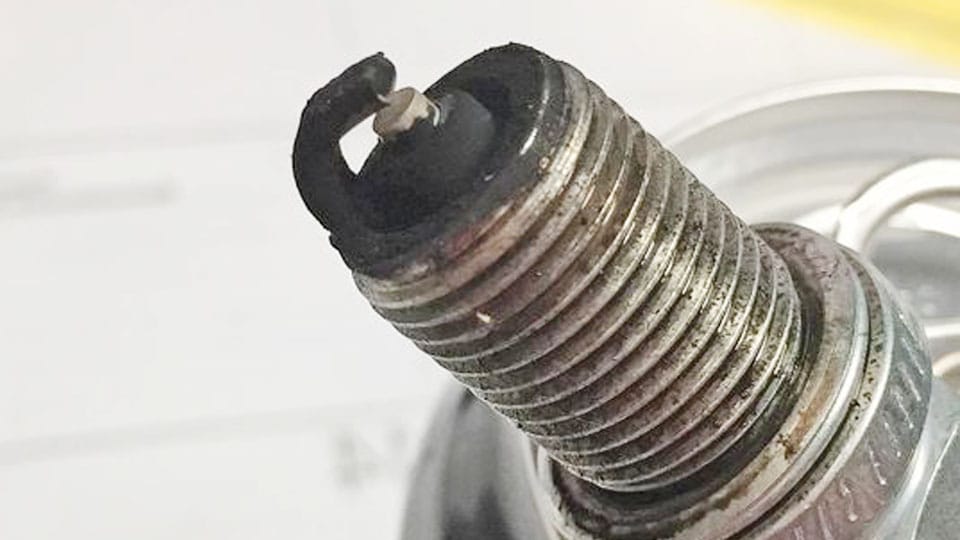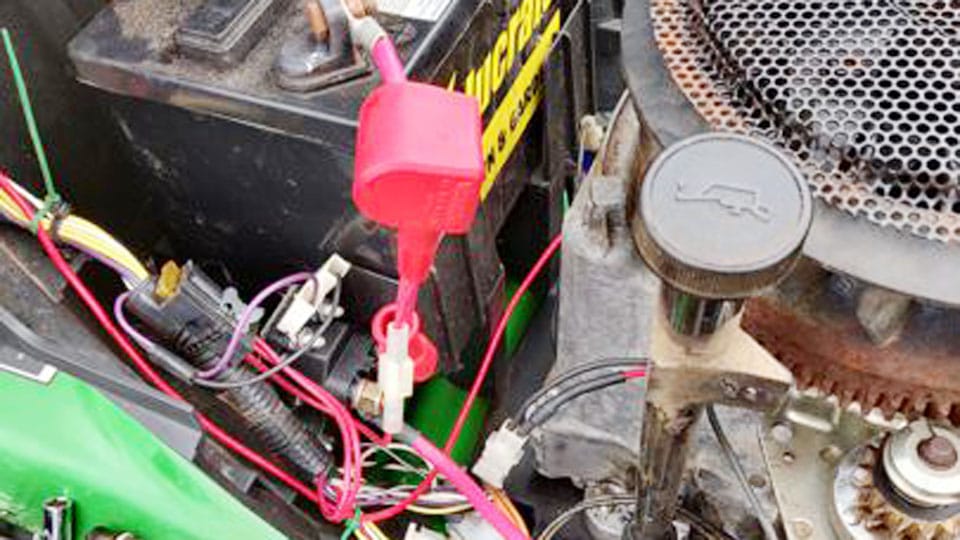
Spark plugs foul fast when the engine runs too rich, burns oil, has weak ignition, poor compression, or uses the wrong plug heat range; the deposit color and texture usually point to the cause. Leave it alone and you waste plugs, hide the fault, and can damage the catalytic converter or keep a misfire alive. This guide shows how to read plug deposits, match them to the most likely engine problem, and stop repeat fouling for good.
What spark plug fouling looks like
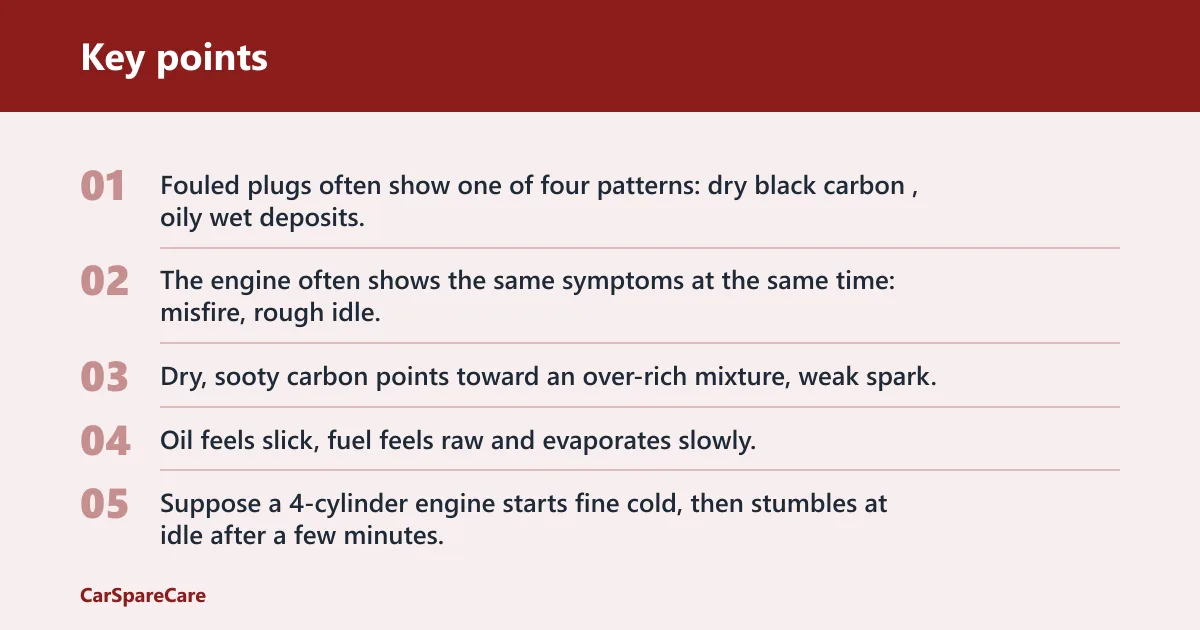


Fouled plugs often show one of four patterns: dry black carbon, oily wet deposits, fuel-wet plugs that may smell like gasoline, or pale steam-cleaned insulators that can point to coolant intrusion. The engine often shows the same symptoms at the same time: misfire, rough idle, hard start, and poor fuel economy.
Wet vs dry deposits at a glance
Dry, sooty carbon points toward an over-rich mixture, weak spark, or too-cold plug that never reaches self-cleaning temperature. Wet deposits narrow the field faster. Oil feels slick, fuel feels raw and evaporates slowly, and coolant can leave a clean-looking tip with crusty white residue or a sweet exhaust smell.
Suppose a 4-cylinder engine starts fine cold, then stumbles at idle after a few minutes. If one plug is black and dry while the others look normal, that cylinder may be getting extra fuel or a weak spark, not a full-engine problem.
Fouling diagnosis matrix
| Deposit type | Likely cause | Confirming check | Next fix |
|---|---|---|---|
| Carbon | Rich mixture, weak ignition, short trips, too-cold heat range | Dry black soot, rich fuel trims, misfire under load, plug does not self-clean | Check fuel trims, ignition output, and OEM heat range |
| Oil | Worn piston rings, valve stem seals, PCV system issues | Wet, greasy deposits, oil use, blue smoke, oily intake residue | Test PCV flow, compression, and leak-down; inspect seals and rings |
| Fuel | Leaking injector, stuck open injector, high fuel pressure, cold-start enrichment fault | Raw fuel smell, wet plug, fuel pressure above spec, one cylinder richer than the rest | Check injector leak-down, pressure regulator, and sensor inputs |
| Coolant | Head gasket leak or cracked head | Steam-cleaned tip, white crust, sweet-smelling exhaust, coolant loss | Run cooling-system and combustion-gas tests before fitting more plugs |
Why do spark plugs foul again after replacement?
New plugs foul again when the engine fault is still there. The repeat pattern matters more than the age of the plugs. If the same cylinder fouls fast, look for a cylinder-specific issue such as a leaking injector, oil entry through a seal or ring problem, or coolant intrusion in that one hole.
Repeated fouling patterns that point to the real fault
One fouled plug after about 100 miles points away from normal wear and toward an active fault. If all plugs foul at once, think fuel control, ignition energy, or a driving pattern that keeps the engine cold. If only one cylinder keeps failing, follow that cylinder’s fuel, spark, and mechanical path.
A common first-timer mistake is replacing plugs, clearing the fault code, and stopping there. The engine may run well for a day, then misfire again because the injector still leaks after shutdown or the coil boot still arcs under load.
When new plugs fail fast because the engine is still overfueling or burning oil
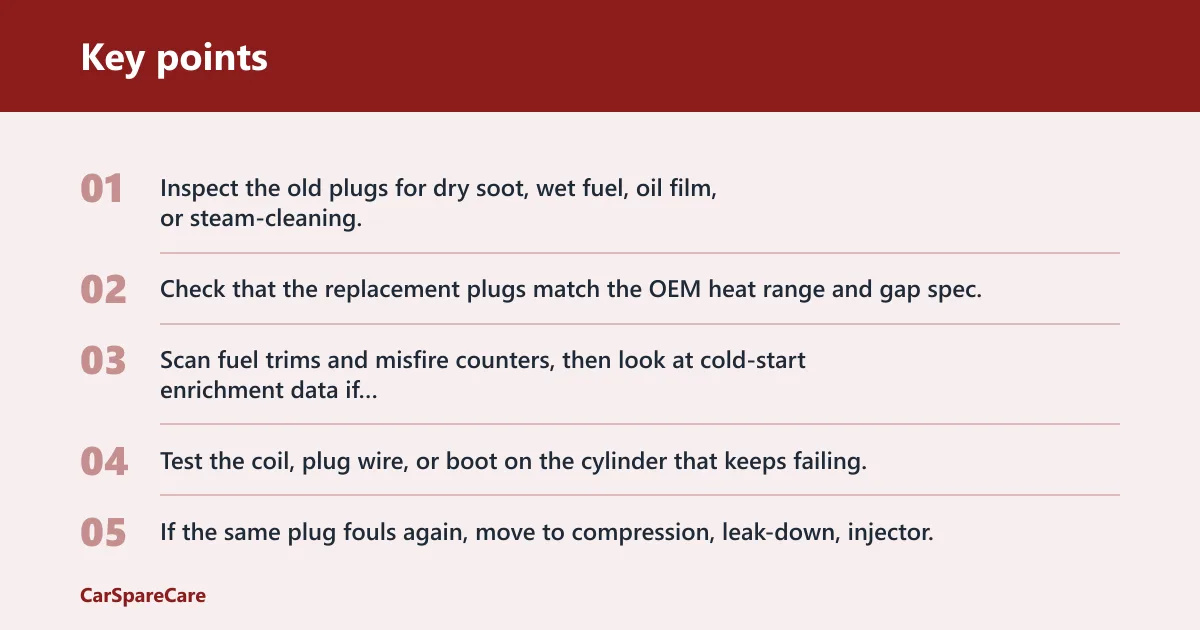
- Inspect the old plugs for dry soot, wet fuel, oil film, or steam-cleaning.
- Check that the replacement plugs match the OEM heat range and gap spec.
- Scan fuel trims and misfire counters, then look at cold-start enrichment data if available.
- Test the coil, plug wire, or boot on the cylinder that keeps failing.
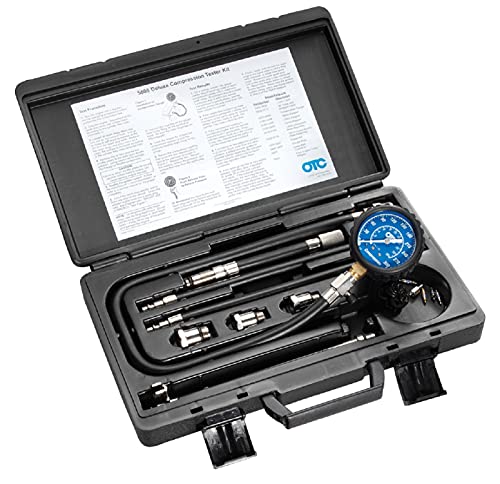
- If the same plug fouls again, move to compression, leak-down, injector, and PCV checks before installing another set.
Can a rich fuel mixture foul plugs quickly?
Yes. A rich fuel mixture can foul spark plugs quickly because excess fuel cools the plug tip, leaves carbon on the insulator, and can wash oil film off the cylinder wall. Fuel trims, cold-start enrichment, and sensor faults that overfuel can all push the mixture rich enough to cause a misfire.
Fuel trims, cold-start enrichment, and sensor faults that overfuel
High positive or negative fuel trim values, depending on the fault, tell you the control system is correcting away from target. A bad coolant temperature sensor can hold cold-start enrichment too long. A faulty mass air flow sensor or oxygen sensor can also push the mixture rich enough to foul plugs on short runs.
Leaking injectors, high fuel pressure, and excess fuel wash
A leaking injector can drip after shutdown and wet a plug overnight. High fuel pressure can do the same across multiple cylinders. In both cases, the plug may look fuel-soaked instead of dry and sooty. The engine may hard-start, run rough, and smell strongly of raw fuel.
Can ignition problems foul spark plugs?
Yes. Weak coil packs, worn plug wires or boots, and poor connections can leave the spark too weak to light the mixture cleanly. The result is incomplete burn, carbon on the plug, and misfire under load or during acceleration, even when the fuel system is not the main fault.
Misfire under load and insufficient spark energy
Ignition faults often show up when cylinder pressure rises. A weak coil may idle acceptably, then break down on hills or hard acceleration. Worn boots can leak spark to ground. The plug then looks black and dry because fuel never burned fully in that cylinder.
Oil control and coolant leaks
Oil and coolant can foul plugs even when the fuel system is correct. Oil makes the plug look wet and greasy. Coolant can leave a clean, washed appearance with white crust or a sweet exhaust smell. Both faults need engine-level diagnosis, not another set of plugs.
Worn piston rings, valve stem seals, and PCV issues
Worn piston rings let combustion pressure and oil move in the wrong direction. Valve stem seals can drip oil into a cylinder during shutdown or deceleration. A stuck or restricted PCV system can pull oil mist into the intake. Any of these can foul plugs with oil again soon after replacement.
Can worn piston rings cause spark plugs to foul? Yes. Rings that no longer seal well can raise blow-by, lower compression, and push oil into the chamber. A compression test and leak-down test help separate ring wear from valve seal or PCV problems before you replace more plugs.
Head gasket leaks, cracked heads, and steam-cleaned plug tips
Coolant intrusion from a head gasket leak or cracked head often leaves one plug looking cleaner than the rest. That steam-cleaned plug can fool people into thinking the cylinder is healthy. Other clues include coolant loss, a sweet-smelling exhaust, white residue, and a misfire that returns after warm-up.
Can coolant leak cause spark plug fouling? Yes, but the plug may not look dirty in the usual way. Coolant can clean the tip, leave a pale crust, and cause misfire from contamination or compression loss. A cooling-system pressure test and combustion-gas check are the right next steps.
Heat range, gap, and driving pattern
Plug choice matters. A spark plug that is too cold may never reach self-cleaning temperature, so deposits stay on the insulator and ground strap. Gap matters too. If the gap is too wide, the ignition system needs more voltage and misfire risk rises. If it is too narrow, the spark can be weak and inefficient.
Too-cold plugs and the self-cleaning temperature
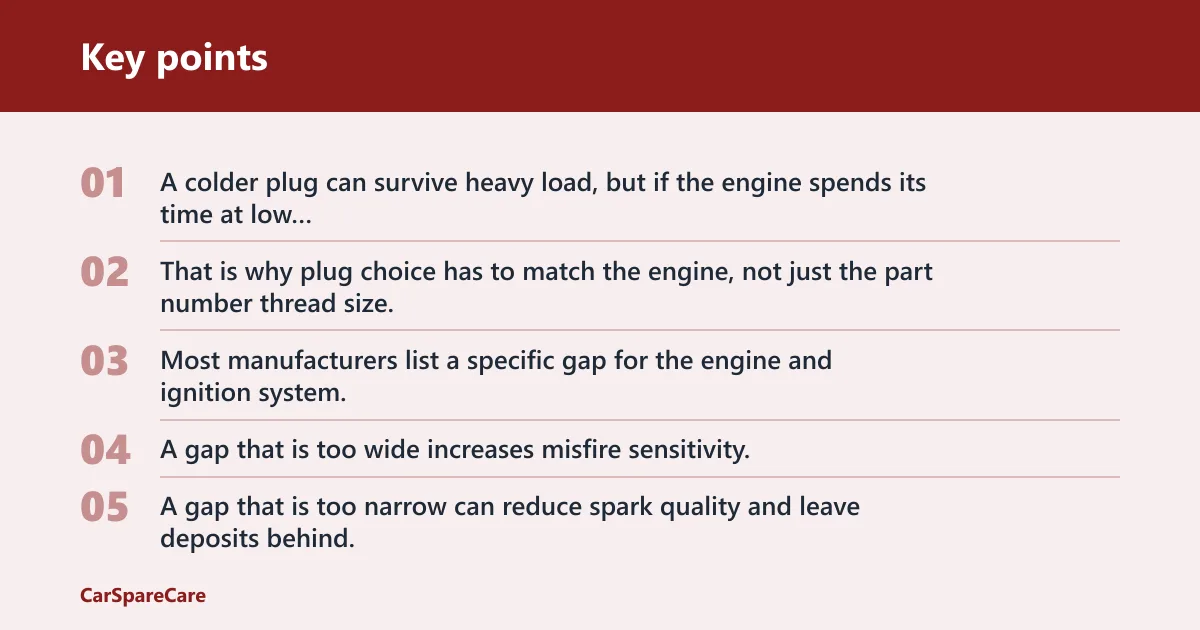
Use the OEM heat range recommendation first. A colder plug can survive heavy load, but if the engine spends its time at low temperature, short trips, or idling, it may foul before it ever cleans itself. That is why plug choice has to match the engine, not just the part number thread size.
Gap too wide, gap too narrow, and OEM spec
Most manufacturers list a specific gap for the engine and ignition system. A gap that is too wide increases misfire sensitivity, especially under load or with weak coils. A gap that is too narrow can reduce spark quality and leave deposits behind. Set the gap to the OEM spec unless the plug type is pre-gapped and the maker says not to adjust it.
Short trips, idling, and low operating temperature
Can short trips make spark plugs foul faster? Yes. Short trips, extended idling, stop-and-go use, and low operating temperature can keep the chamber too cool for deposits to burn off. That pattern can foul even new plugs, especially on engines already running rich or using the wrong heat range.
Picture a delivery van that idles for long periods, then moves a few blocks at a time. The plugs may foul faster than they would in highway use because the engine never stays hot long enough to clean the deposit layer off the insulator.
Frequently asked questions
What causes spark plugs to foul quickly?
Spark plugs foul quickly when the mixture is rich, the ignition spark is weak, oil enters the chamber, coolant leaks in, or the plug heat range is too cold for the duty cycle. The deposit type matters. Dry soot, oily film, fuel wetness, and steam-cleaning point to different faults.
What causes spark plugs to go bad quickly?
They usually do not fail from age alone if they are new. Fast repeat failure points to an engine fault such as a leaking injector, weak coil, worn rings, valve stem seals, PCV trouble, or a coolant leak. Gap and heat range errors can speed up the problem.
What causes spark plugs to foul out?
Plugs foul out when deposits become thick enough to block a clean spark path. Carbon, oil, fuel, and coolant all can do this. The engine then misfires, idles rough, starts hard, and may run worse under load. The fix is to correct the source, not just swap plugs.
What causes spark plugs to foul with oil?
Oil fouling usually comes from worn piston rings, valve stem seals, or PCV system issues that let oil enter the combustion chamber. The plug often looks wet and greasy rather than dry and sooty. Compression, leak-down, and PCV checks help show where the oil is coming from.
Why do my spark plugs keep fouling after replacement?
Repeat fouling means the root fault is still active. Start with the plug’s appearance, then check spark, fuel, air, and mechanical condition in that order. A plug that fouls again quickly often points to a stuck injector, weak coil, ring wear, valve seal wear, or coolant intrusion.
Can a rich fuel mixture foul spark plugs quickly?
Yes. A rich mixture can coat the plug in dry black carbon or leave it fuel-wet if the cylinder does not light off. Cold-start enrichment, bad sensor data, leaking injectors, and high fuel pressure can all push the engine rich enough to foul plugs in a short time.

Hi, I’m Melvin, an automobile engineer with extensive experience in automobile equipment. I currently work for a local automobile firm, where I specialize in the car parts industry. I’ve had the opportunity to collaborate with seasoned inspectors, gaining invaluable hands-on experience that goes beyond just theory.
My passion for automotive care started at a young age, which led me to create CarSpareCare. Through CarSpareCare, I share the knowledge and skills I’ve acquired over the years to help others navigate the world of car maintenance and repairs.
My goal is to provide practical tutorials, essential safety advice, and the latest industry insights so that anyone—whether a beginner or an expert—can confidently tackle their automotive projects.