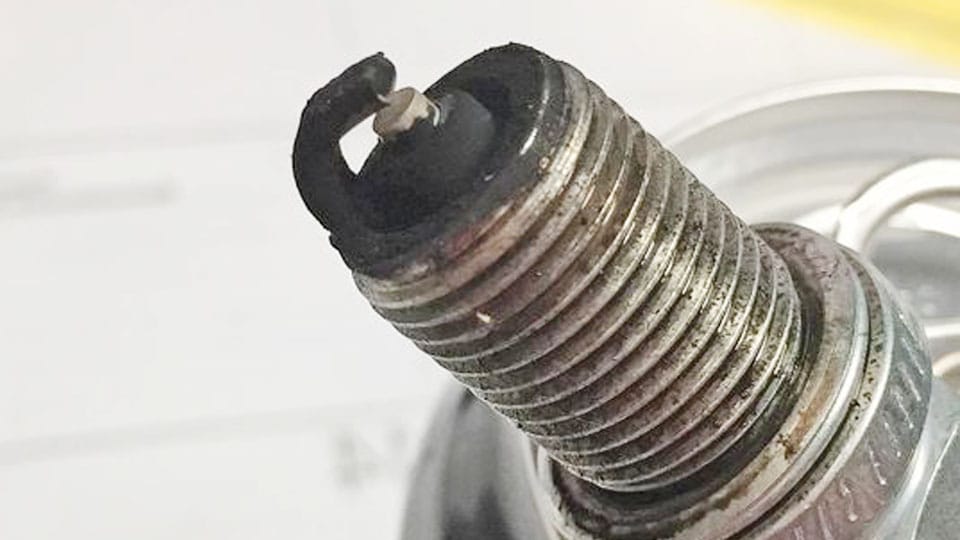
Quick answer: If the threads are only lightly damaged, a spark plug thread chaser may clean them enough to reuse; if the plug will not tighten to spec, install a thread insert; if the threads are pulled out or the hole is damaged deep in the head, remove the cylinder head. A bad repair can leave the plug loose, cause compression loss, or let the plug blow out. This guide shows how to inspect the hole, choose chase versus insert versus head removal, and avoid making the damage worse.
What you’ll need


- Spark plug socket and ratchet
- Spark plug torque wrench
- Thread chaser in the correct size, often 14 mm or 18 mm
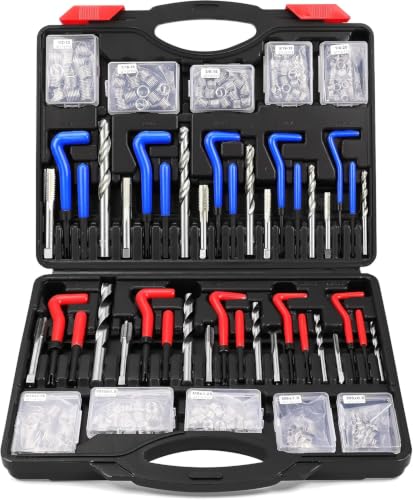
- Thread insert kit, such as a Heli-Coil kit or a solid insert kit like Time-Sert
- Correct tap and installation mandrel from the kit
- Drill and the drill size specified by the repair kit
- Compressed air and a cleaning brush
- Safety glasses and gloves
- Replacement spark plug
- Anti-seize compound, only if the engine maker specifies it
Can you fix it without removing the head?
Yes, sometimes. If the damage is limited to the first few threads and the plug still seats squarely, a thread chaser or an in-head insert repair can work. If the plug hole is blown out, the threads are gone deep in the bore, or the repair tools cannot stay aligned, pulling the cylinder head is the safer move.
That boundary matters more on an aluminum cylinder head, which is softer and more prone to cross-threading and heat-cycle wear. A minor cleanup can stay in place. A repair that needs drilling, tapping, and careful chip control may still be done on some engines without head removal, but only if access, alignment, and debris control are solid.
Without removing the head: when it is realistic
If the plug starts by hand, the seat is still square, and the hole only needs cleanup or a controlled insert repair, an in-place repair can be realistic. The key limits are tool alignment, chip control, and enough remaining metal for the insert to hold. If any of those fail, head removal becomes the safer choice.
Without removing the head: when to stop
Stop if the plug will not start cleanly, the bore looks oval, the seat is damaged, or chips cannot be contained. A repair that depends on guessing at alignment is not dependable. If the plug has already blown out or the casting looks cracked, do not keep chasing the hole.
Spark plug repair decision matrix
This table separates cleanup from real repair. Use the symptom, not hope, to choose the next step.
| Damage symptom | Safest repair path | Risk level |
|---|---|---|
| Minor thread wear | Use a thread chaser to clean the existing threads, then reinstall by hand and torque to spec. DIY cost: about $10-$30 if you already have the basics. Tool list: chaser, spark plug socket, ratchet, torque wrench, compressed air, cleaning brush. | Low |
| Cross-threaded but still holding | Remove the plug, inspect, and decide whether a chaser restores smooth starts. If the plug will not start cleanly after cleanup, move to an insert. DIY cost: about $20-$80. Tool list: chaser, inspection light, socket, torque wrench, cleaning brush. | Medium |
| Fully stripped hole | Install a spark plug thread repair insert after drilling and tapping. A Heli-Coil kit is a common DIY repair option; a solid insert such as Time-Sert is more permanent for severe damage. DIY cost is often about $70-$200; professional repair often costs more. Tool list: insert kit, drill, special tap, mandrel, compressed air, grease, torque wrench. | High |
| Plug blown out | Inspect for cracked aluminum, damaged seat, and missing threads. If the hole is not sound enough for a precise insert, remove the cylinder head. DIY cost is often around $150-$500+ depending on parts and machine work. Tool list: inspection tools, insert kit if the head stays on, or head-gasket tools if removal is needed. | Very high |
| Socket stuck | Remove the socket before any repair attempt. Check for broken plug pieces, bent extension, or carbon binding. Cost is usually low unless parts break. Tool list: extension, magnet, pick, penetrant if needed, and a replacement socket if the tool is damaged. | Low to medium |
| Aluminum head damage | Do not force a rethread. Use an insert if the bore is still clean and aligned; otherwise remove the head. DIY cost is often about $80-$250 for an insert repair, with more cost if head removal and machine work are needed. Tool list: insert kit, drill, tap, compressed air, cleaning brush, torque wrench. | High |
Decision guide: head on vs head off
Head on is best when the plug can still be guided straight, the damage is localized, and chip control is manageable. Head off is the better call when the bore is distorted, the seat is damaged, or the repair depends on blind drilling and tapping in a tight space. If the repair cannot be centered confidently, remove the head.
How do you fix a stripped spark plug hole?
Start by cleaning and inspecting the threads, then choose the least invasive fix that will still hold torque. If the plug starts by hand and the threads only need cleanup, use a thread chaser. If the plug will not tighten to spec, a spark plug thread repair insert is the correct next step. If the hole has lost support, remove the head.
- Clean the area first. Blow dirt and grit away with compressed air, then scrub the plug well with a cleaning brush. Dirt can hide damaged threads and can fall into the cylinder during removal.
- Remove the plug by hand. Use the socket and ratchet only after the plug loosens easily. If it feels tight at the start, back up and inspect rather than forcing it.
- Check the thread condition. Look for flattened threads, aluminum shavings, or a plug that rocked in the bore. If the plug will not seat squarely, skip the chaser and plan for an insert.
- Repair the hole. For an insert job, drill and tap to the kit instructions, coat the tap with grease to catch aluminum chips, and keep the tool straight. Do not let the coil tang drop into the cylinder.
- Install and verify. Fit the insert flush, thread in a new plug by hand, and tighten with a torque wrench to the engine-specific spec. A plug that feels loose after torque is not fixed.
A common first-timer mistake is assuming a plug that “almost holds” is fine. Suppose a 14 mm plug in an aluminum head starts smoothly for one turn, then binds. Stop there, clean the hole again, and inspect it. Forcing it can turn minor wear into a full insert job.
Symptoms that mean stop immediately
Stop immediately if the plug cocks to one side, binds after the first turn, feels loose after torque, or comes out with missing aluminum on the threads. Also stop if the bore looks cracked, the plug has blown out, or chips are falling where you cannot control them. Those are signs the repair has moved beyond cleanup.
When should you use a thread chaser?
Use a thread chaser for minor cleanup only. It is not a fix for fully stripped threads. Common sizes include 14 mm and 18 mm spark plug thread chasers, and RockAuto lists both a 14/18 mm spark plug hole chaser and a limited-access spark plug chase tool. If the plug still cannot tighten to spec after chasing, move to an insert.
- Select the correct chaser. Match the plug thread size before you start. A wrong-size chaser can cut new damage into soft aluminum.
- Run it in straight. Turn it in by hand or with light tool pressure until the threads feel smooth. Do not use force to “fix” a plug that wants to cross-thread.
- Clean and retest. Remove debris with compressed air and a brush, then start the plug by hand. If it does not run in smoothly for several turns, stop and move to insert repair.
Hand-threading guidance
Start every plug by hand first, even after cleanup. If it does not spin in freely for several turns, back it out and inspect the hole. A wrench should only be used after the threads are already engaging correctly. That rule is what keeps a minor repair from becoming a stripped hole.
When does the head need to come off?
Remove the cylinder head when the damage is too deep for a stable insert, when a plug has blown out and left cracked or distorted metal, or when chip control cannot be trusted. Severe damage may require replacing the cylinder head. That is especially true when the bore is oval, the seat is damaged, or the insert would sit at an angle.
- Inspect for structural damage. Look for broken aluminum around the plug seat, deep thread loss, or a widened bore. If the insert would not have full support, do not attempt an in-place repair.
- Weigh access and debris risk. If you cannot keep chips out of the cylinder, removal is safer. A repair that sheds aluminum into the chamber can lead to misfire, piston damage, or exhaust contamination after restart.
- Plan the machine work. A head-off repair may still end with an insert, but the work is cleaner and more controlled on the bench. If the seat or casting is badly damaged, replace the head rather than chasing an unsafe hold.
If the plug hole has missing threads and the new plug stops after one turn, it may need either an insert or head removal. Do not keep tightening it. It needs either an insert or head removal, depending on how much support remains around the bore.
Lawn mower spark plug repair
On a lawn mower, the same repair logic still applies. Minor thread wear can sometimes be cleaned with a chaser, but stripped threads usually need an insert, and badly damaged castings are better replaced. Access is often tighter on small engines, so straight tool entry and chip control matter just as much as on a car.
Motorcycle spark plug repair
Motorcycle cylinder heads often give you less room to work, so the margin for error is smaller. Use a chaser only for light cleanup, use an insert when the plug will not tighten to spec, and remove the head if alignment is poor or the hole is badly damaged. If the repair cannot be kept square, replacement is often smarter than forcing it.
Common mistakes
- Using a chaser on stripped threads. A chaser cleans and restores minor wear; it does not rebuild missing metal.
- Skipping chip control. Use compressed air and a cleaning brush before drilling or tapping. Chips in the cylinder can cause damage after startup.
- Overtightening the new plug. Use a spark plug torque wrench and the engine maker’s spec. Aluminum threads are easy to damage again.
- Starting the plug with a tool. Start it by hand first. If it does not thread freely, stop and inspect.
- Using anti-seize as a shortcut. Apply it only if the engine maker specifies it, and only sparingly. It does not replace correct torque.
- Ignoring a blown-out hole. A plug that has ejected from the head often points to deeper damage than simple thread wear.
For a lawn mower, the same rule applies: if the plug hole only needs cleanup, a chaser may work; if the threads are gone, use an insert or replace the head. Small engines are not exempt from the same thread limits.
Frequently asked questions
How much does it cost to fix a stripped spark plug hole?
Minor cleanup with a chaser can cost about $10-$30 if the tools are already on hand. A DIY insert repair often lands around $70-$200, while professional repair or head removal can cost more depending on labor, gasket replacement, and whether machine work is needed.
How to helicoil a spark plug hole without removing the head
Only do it if you can keep chips under control and the tool can stay straight in the bore. Use compressed air, grease on the tap, and a vacuum or brush cleanup between steps. If alignment is poor or the hole is badly damaged, remove the head.
How to remove a socket stuck in a spark plug hole
Back the ratchet off, pull the extension straight, and inspect for a broken socket or plug fragment. If the socket wedged on the plug, use a magnet or pick only after the plug and bore are stable. Do not force the extension sideways, because that can damage the threads.
Can you fix a stripped spark plug hole?
Yes, if enough metal remains for an insert to hold. Heli-Coil repair is a reliable option for restored threads, and solid inserts such as Time-Sert are often chosen for more severe damage. If the casting is cracked or too thin, replace the head.
How to fix a stripped spark plug hole on a motorcycle
Use the same decision tree as a car engine: chase only minor wear, insert when the plug will not tighten to spec, and remove the head if the bore is too damaged. Motorcycle cylinder heads are often tight on access, so chip control and straight alignment matter even more.

Hi, I’m Melvin, an automobile engineer with extensive experience in automobile equipment. I currently work for a local automobile firm, where I specialize in the car parts industry. I’ve had the opportunity to collaborate with seasoned inspectors, gaining invaluable hands-on experience that goes beyond just theory.
My passion for automotive care started at a young age, which led me to create CarSpareCare. Through CarSpareCare, I share the knowledge and skills I’ve acquired over the years to help others navigate the world of car maintenance and repairs.
My goal is to provide practical tutorials, essential safety advice, and the latest industry insights so that anyone—whether a beginner or an expert—can confidently tackle their automotive projects.