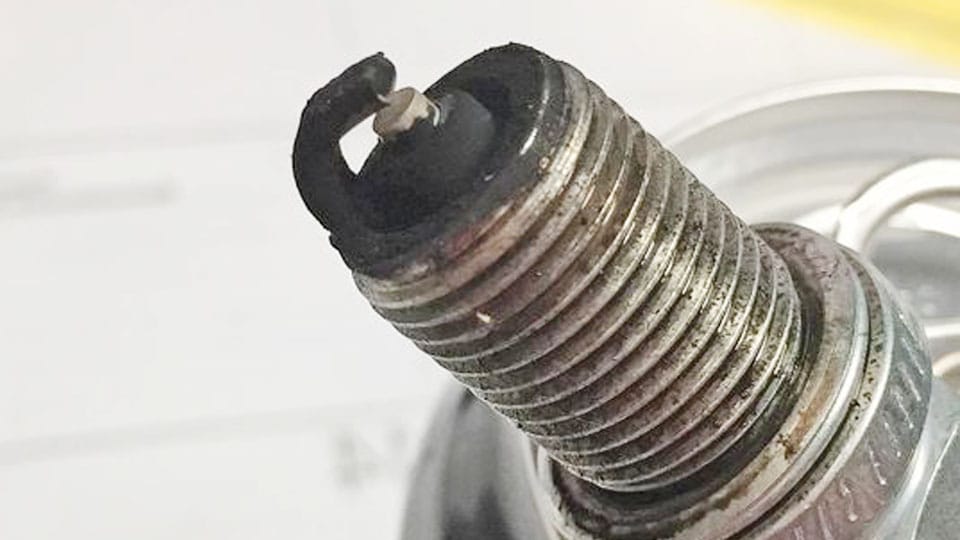
Bottom line: mechanics should not automatically use anti-seize on spark plugs. Many modern plated or factory-coated plugs are meant to go in dry, and that dry-install instruction should win unless the plug maker explicitly allows lubricant. If anti-seize is approved, use only a thin film on the external threads and follow the correct torque procedure for a lubricated thread.
Quick comparison
| Product | Badge | Base chemistry | Temperature range | Conductive / metallic content | Sensor contamination cautions | Thread-material compatibility | Spark-plug suitability |
|---|---|---|---|---|---|---|---|
 Permatex 77124 Nickel Anti-Seize LubricantPermatex | Our pick | Nickel-based | High-temperature service | Metallic / conductive | Keep off the firing end and sensors; thin application only | Stainless, titanium, nickel alloys; use only if plug maker permits | Best conditional choice when anti-seize is allowed |
 LOCTITE Automotive Silver Anti-Seize Lubricant: Heavy-DutyLoctite | Also great | Silver anti-seize | Heat- and corrosion-resistant service | Metallic content noted in product description | Apply carefully; avoid overuse near firing end | General metal threads; verify against plug instructions | Use only when dry install is not required |
 Permatex (PTX09128) Copper Anti-Seize LubricantPermatex | Budget pick | Copper-based | General threaded-service range | Metallic / conductive | Keep away from sensors and electrode; over-application is the issue | Older threaded service; less aligned with modern plated plugs | Conditional only; not the default for modern plugs |
 Loctite 51007 Copper LB 8008 C5-A Anti-Seize LubricantLoctite | Also great | Copper anti-seize | -20°F to 1800°F stated on product title | Metallic / conductive | Brush-top format can overapply if not controlled | Heavy-duty metal-thread service; not a default spark-plug choice | Conditional only; verify plug and vehicle guidance first |
 8 oz Nickel Anti-Seize Lubricant with BrushGulfmew | Also great | Nickel-based | Up to 2400°F heat resistance stated in listing | Metallic / conductive | Brush applicator helps limit spread | Stainless and specialty metals; confirm plug compatibility first | Good controlled-applicator option when anti-seize is allowed |
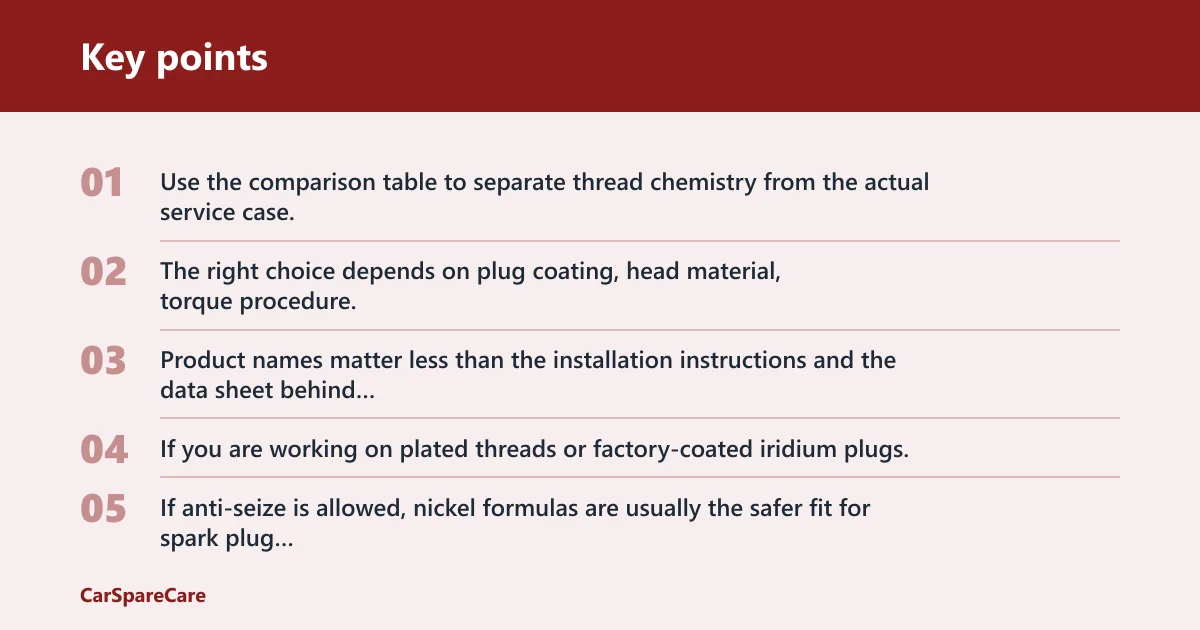
Use the comparison table to separate thread chemistry from the actual service case. The right choice depends on plug coating, head material, torque procedure, and whether the plug maker allows any lubricant at all. Product names matter less than the installation instructions and the data sheet behind them.
If you are working on plated threads or factory-coated iridium plugs, dry installation is often the least risky path. If anti-seize is allowed, nickel formulas are usually the safer fit for spark plug service than copper in modern mixed-material heads.
How we chose
We compared each product by four practical checks: thread and head compatibility, torque sensitivity, contamination control, and whether the product fits common spark plug guidance from makers and data sheets. That means the decision starts with the plug instructions, then the vehicle manual, then the chemistry.
Thread finish comes first. So does the head material, especially on aluminum cylinder heads where galling and thread damage matter more. NGK, Denso, Champion, and Bosch installation guidance all center on the same point: use the plug the way the manufacturer intends, because thread prep affects torque and heat transfer.
Torque sensitivity comes next. Any lubricant changes how the thread feels during tightening, which can matter more than the compound brand name itself. OEM service-manual style cautions commonly warn against using lubricant unless the procedure explicitly calls for it, because a lubricated thread can reach clamp load earlier than a dry one.
Finally, we looked at clean application. Spark plug anti-seize belongs only on the external threads, in a thin film, with no migration onto the electrode or coil boot area. Manufacturer technical data sheets for the compounds below support that distinction better than generic retail listings do.
Spark plug anti-seize decision table
| Anti-seize type | Best-use scenario | Thread/head compatibility | Torque caution | Contamination risk | Appropriate for spark plugs? |
|---|---|---|---|---|---|
| Copper-based | Older service parts, fastener work, or jobs where the engine and plug maker explicitly allow it | Can work on bare metal threads, but it is a poor fit for many modern plated plugs and mixed-material service cases | Higher risk of torque change if you treat a lubricated thread like a dry one | Medium to high if the brush or applicator is overloaded | Sometimes, but only when the installation guide allows it |
| Nickel-based | Service where anti-seize is allowed and you want broad corrosion resistance with a copper-free formula | Better fit for stainless, titanium, nickel alloy, and many high-temperature threaded parts; still verify spark plug guidance first | Still requires torque adjustment discipline because lubrication changes clamp load | Medium, with better control if applied as a thin film | Often the safer pick when anti-seize is permitted |
| Ceramic-based | High-temperature threaded service where you want a non-metallic compound and the manufacturer allows it | Can suit some mixed-metal service, but spark plug approval varies by plug maker and engine maker | Lower metal transfer risk, but the installer still must account for lubrication | Low to medium if the compound stays on the threads only | Sometimes, but verify the data sheet for your exact plug |
Decision checklist
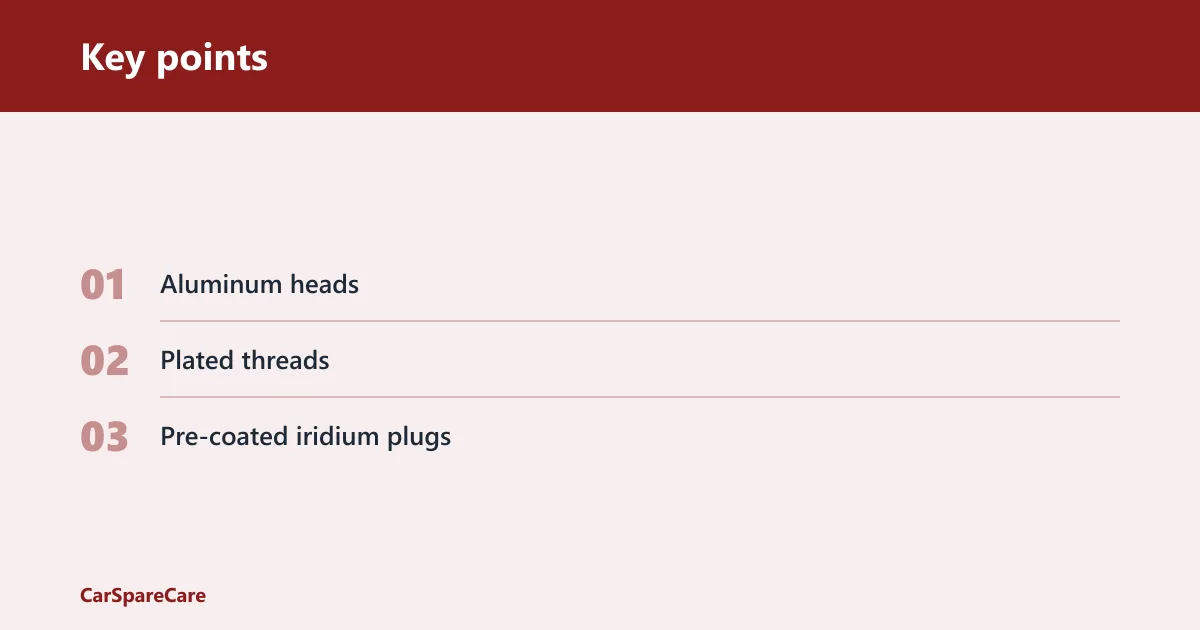
- Aluminum heads: check the plug and engine instructions first. Anti-seize can help with galling prevention, but many modern plugs in aluminum heads are meant to go in dry. OEM service procedures typically rely on the specified thread condition, not a generic lubricant rule.
- Plated threads: if the plug has nickel-plated or other plated threads, dry installation is often preferred because those threads already resist seizing and lubrication can change torque.
- Pre-coated iridium plugs: look for a factory coating callout. If the maker says the plug comes pre-coated, do not add anti-seize unless the instructions specifically tell you to.
A dry install is often the safer choice when the spark plug or engine manual specifies it, especially on modern plated plugs with a controlled torque specification. Anti-seize should solve a thread problem, not create a torque problem. That is consistent with NGK, Denso, Champion, and Bosch guidance on coated plugs and installation friction.
Permatex 77124 nickel anti-seize: best for conservative spark plug service
Choose this when anti-seize is allowed and the job calls for a copper-free formula with broad high-temperature thread protection. Based on the published product details and manufacturer technical data sheet, it is a practical pick for stainless, titanium, and nickel-alloy service, which makes it the most defensible general option in this list for careful spark plug work.
Its main drawback is simple: nickel anti-seize is still a lubricant, so it can change spark plug torque if you install it like a dry thread. It also gives you no reason to ignore a dry-install note from the plug maker, and the vehicle torque procedure still has to match the thread condition you actually used.
Use only a thin film on the external threads. Do not coat the first thread heavily, and keep the compound away from the firing end, electrode area, and coil boot path. The technical data sheet supports controlled use, not a heavy paste application.
Loctite automotive silver anti-seize: best for corrosion-prone service
This is the pick for service conditions where corrosion resistance matters and the plug maker does not call for dry installation. The product details and technical data sheet identify it as suitable for spark plug threads and as a corrosion-resistant compound, which fits seized-thread prevention in difficult removal jobs.
The drawback is the same one that matters on any lubricated plug thread: it can alter clamp load if you follow a dry torque spec. That is a real risk on aluminum heads and on plugs with carefully controlled thread design, so the vehicle procedure has to be read alongside the plug instructions.
It is most sensible when you are dealing with long service intervals, prior thread corrosion, or a part history that makes future removal harder than usual. Keep the application thin and controlled, because excess compound raises contamination risk.
Permatex copper anti-seize: best for older threaded service
Copper anti-seize can make sense for older service work and some metal-to-metal threaded parts, but it is a weaker match for modern spark plug installs than nickel when you are trying to stay close to current plug-maker guidance. It is listed here for comparison, not as the default answer, and the product sheet is more helpful than the retail listing for understanding its composition.
The drawback is that copper formulas are the least comfortable fit for many modern plated or pre-coated plugs. If the plug maker says dry install, the copper bottle does not change that instruction, and the vehicle torque spec still assumes the correct thread condition.
This product belongs in a toolbox for general threaded service, not as an automatic spark plug choice. On spark plugs, the deciding factor is still the installation sheet, not the chemistry label.
Loctite copper lb 8008 c5-a: best for heavy-duty threaded parts
This heavy-duty copper anti-seize is built for tough threaded service and high-temperature exposure, but that does not make it the safest spark plug default. It belongs in the comparison because many mechanics already know the chemistry, not because spark plugs need copper by default. The technical data sheet is the better source for temperature and composition than the retail title.
The drawback is that it offers no special advantage over nickel when the plug maker has already designed the threads for dry installation or a specific torque method. It also carries the same contamination concerns as any brush-top compound if you over-apply it.
For spark plugs, treat it as a conditional option only. Confirm the technical data sheet, then confirm the vehicle manual, then decide whether the plug is one of the cases that actually benefits from anti-seize.
Gulfmew nickel anti-seize: best for controlled application
This is the budget-leaning nickel option for mechanics who want a brush-top container and a copper-free formula. The listed heat resistance and controlled applicator format make it relevant for spark plug service where you need a thin, localized film rather than a messy coating, and the product sheet should be used to verify the base chemistry and operating range.
The drawback is that listing-level compatibility is still not the same as plug-maker approval. A controlled applicator helps with contamination control, but it does not remove the need to verify thread finish, head material, and torque guidance.
It is a sensible choice when you want nickel chemistry and easier placement on the threads. It is not a reason to lubricate plugs that are meant to go in dry.
Which one should you buy?
Choose Permatex 77124 Nickel Anti-Seize Lubricant if you want the safest general-purpose pick for spark plug service when anti-seize is allowed. It is the strongest fit here for thread-focused use without leaning on copper as a default.
Choose Loctite Automotive Silver Anti-Seize Lubricant if corrosion exposure is the bigger concern and the plug maker does not specify dry installation. That makes sense for a service history that suggests harder future removal, especially when the data sheet and vehicle manual do not conflict.
Choose Gulfmew Nickel Anti-Seize Lubricant if you want nickel chemistry with a brush-top container for cleaner placement. It is the practical choice when controlled application matters more than brand familiarity.
Skip anti-seize entirely if the spark plug or engine manual says dry install. That is especially common on modern nickel-plated or pre-coated plugs, including many iridium designs.
Say your aluminum-head four-cylinder uses pre-coated iridium plugs and the service manual calls for dry torque only. The correct move is to install them dry and follow the listed torque spec, not to add compound because the head is aluminum.
Suppose a shop is removing an older plug from a corrosion-prone cylinder head and the replacement plug maker allows anti-seize. In that case, a thin nickel film on the external threads is the conservative choice, while keeping the electrode and boot area clean.
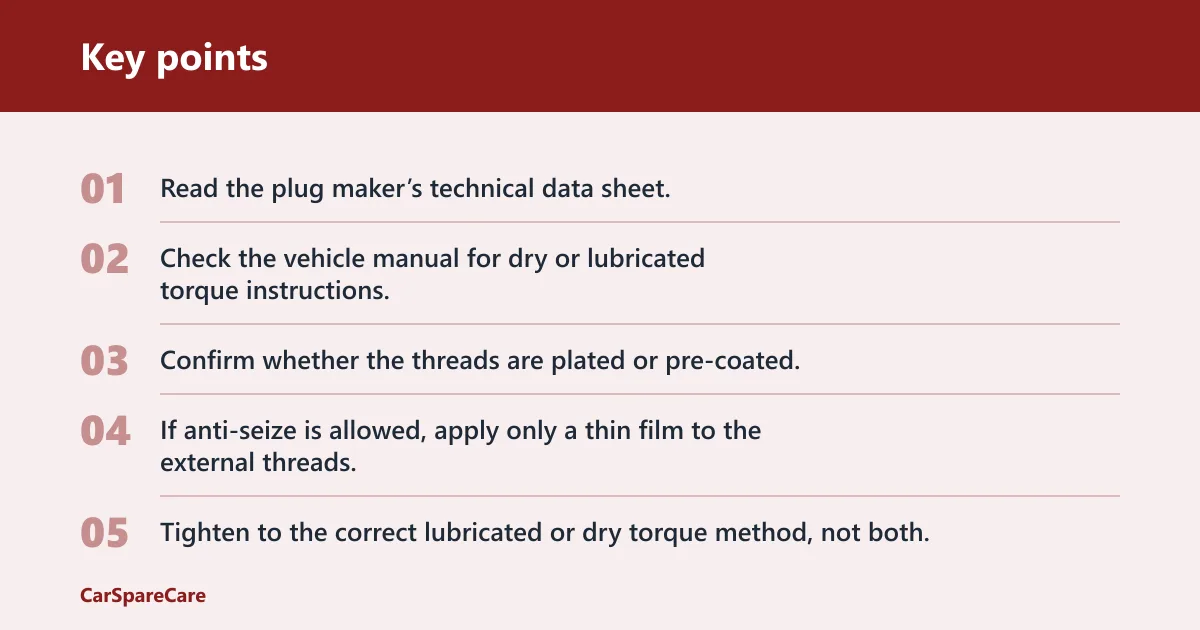
- Read the plug maker’s technical data sheet.
- Check the vehicle manual for dry or lubricated torque instructions.
- Confirm whether the threads are plated or pre-coated.
- If anti-seize is allowed, apply only a thin film to the external threads.
- Tighten to the correct lubricated or dry torque method, not both.
One more point matters in the shop. If a plug is hard to start by hand, stop and inspect the threads. Anti-seize is not a cure for cross-threading, and it will not rescue damaged aluminum head threads.
Manual conflicts: plug maker vs. vehicle torque procedure
When the plug maker and the vehicle manual seem to disagree, the safest process is to verify both documents first and then follow the installed condition they actually describe. If the plug is pre-coated or plated and the service manual calls for dry torque, do not add lubricant. If the plug maker permits anti-seize, use the lubricated torque method—not the dry one.
Frequently asked questions
Do you need anti-seize on spark plugs?
Not always. Use spark plug anti-seize only when the plug maker allows it and the engine manual does not require dry installation. Many modern plated or pre-coated plugs are designed to go in dry, and the least risky choice in those cases is no compound at all. NGK, Denso, Champion, and Bosch guidance all point toward following the plug-specific instruction first.
Which spark plug types should not use anti-seize?
Plated and pre-coated plugs are the main caution zone. Nickel-plated spark plug threads often resist seizing naturally, and iridium plugs often come with a factory coating, so adding anti-seize can change torque behavior without adding much benefit. If the installation sheet says dry, leave them dry.
How much anti-seize should you put on spark plug threads?
Only a thin layer on the external threads. The goal is thread lubrication and corrosion prevention, not a visible coating. Keep the compound off the electrode and off the first-starting portion of the thread so it does not migrate where it does not belong. The manufacturer data sheets support light application, not heavy coverage.
Does anti-seize change spark plug torque specs?
Yes. Lubrication changes the clamp load for a given torque value, so a dry spec may over-tighten a lubricated plug. Many manufacturers warn that thread types designed for specific torque can be affected, which is why you should confirm the lubricated instruction before tightening. Use the torque method that matches the actual thread condition.
Are iridium spark plugs pre-coated from the factory?
Many are. The sourced guidance says iridium plugs often come with a factory-applied coating, and manufacturers often advise against anti-seize on them. Because iridium plugs also use a fine wire electrode, the safest move is to follow the exact plug listing and installation sheet.
Should you follow the vehicle manual or the plug manufacturer?
Follow both, but if they differ, do not improvise. Start with the plug maker’s technical data sheet, then check the vehicle manual for engine-specific torque and installation instructions. When both agree on dry install, that is the least risky answer. If they conflict, the torque procedure must match the thread condition you actually used.

Hi, I’m Melvin, an automobile engineer with extensive experience in automobile equipment. I currently work for a local automobile firm, where I specialize in the car parts industry. I’ve had the opportunity to collaborate with seasoned inspectors, gaining invaluable hands-on experience that goes beyond just theory.
My passion for automotive care started at a young age, which led me to create CarSpareCare. Through CarSpareCare, I share the knowledge and skills I’ve acquired over the years to help others navigate the world of car maintenance and repairs.
My goal is to provide practical tutorials, essential safety advice, and the latest industry insights so that anyone—whether a beginner or an expert—can confidently tackle their automotive projects.