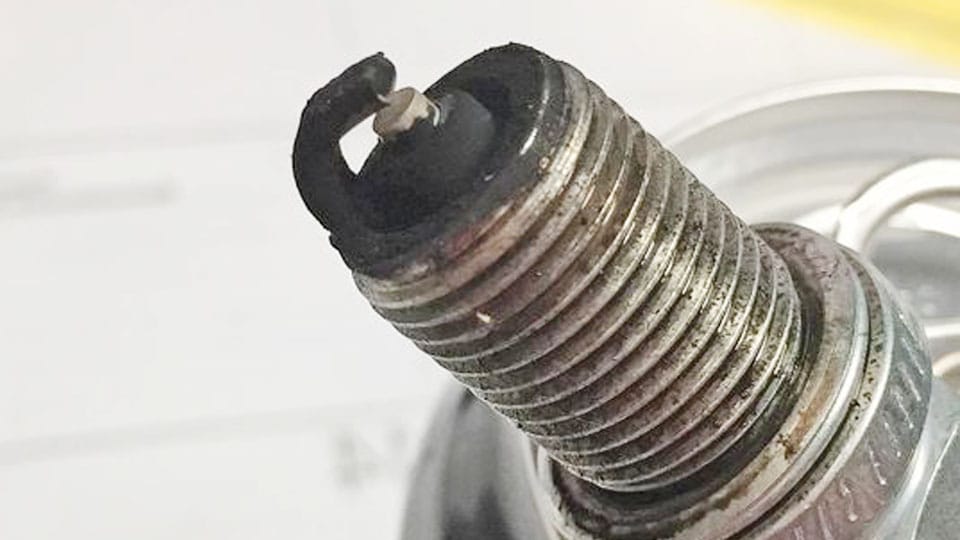
A misfire after new spark plugs usually means one plug gap is off, a coil or wire is loose, the wrong plug type was installed, or a connector was left off. If the swap was correct, check fuel delivery, compression, and vacuum leaks next. Ignore it and you can waste parts money, chase the wrong cylinder, or damage the catalytic converter if raw fuel keeps entering the exhaust. This guide walks through a post-installation check sequence that separates plug-fit errors from ignition, fuel, and engine-mechanical faults.
What a post-change misfire usually means

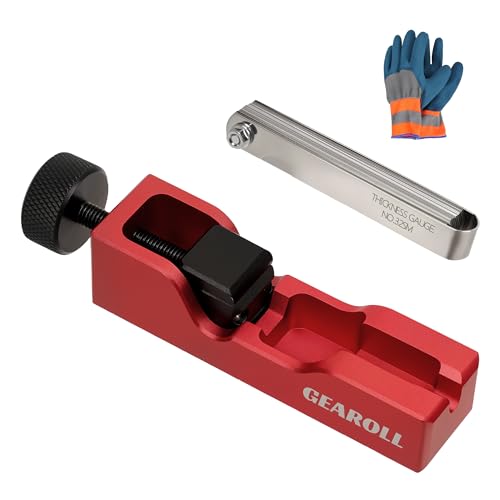
A misfire right after plug replacement often points first to an installation mistake, then to the coil, boot, or connector on that same cylinder. If the issue stays with one cylinder, that cylinder’s plug, coil, boot, or plug well is the best place to start. If the misfire moves, the cause is usually not the plug itself.
Bad spark plugs can cause rough idle by disrupting ignition, and engine misfires can trigger the check engine light. Some faults show up only at idle. Others appear under load, during cold starts, or at highway speed. That pattern matters more than guesswork.
What a cylinder-specific code tells you
A cylinder-specific misfire code after a plug change is a clue, not a verdict. It says the problem is concentrated on one hole, so start with that cylinder’s plug, boot, coil, connector, and plug well before you move to fuel or compression. A random or multi-cylinder misfire points elsewhere, often to air, fuel, or a broader ignition fault.
Say your scan tool shows a misfire on cylinder 3 right after service. That usually sends you back to the cylinder 3 plug, the coil on that cylinder, and the boot seating before you start replacing parts across the engine.
Idle, load, and cold-start clues
A misfire only at idle often points to a weak spark, a vacuum leak, or a plug gap problem. A misfire under load can mean the spark is too weak to jump the gap consistently, which is why gap mismatch is commonly linked to misfires and uneven combustion. A cold-start-only miss can also point to a plug, coil, or mixture issue that changes as parts warm up.
The symptom set is consistent: shaking at idle, hesitation during acceleration, vibrations, and reduced engine power at idle can all fit a misfire. Those signs tell you where to focus, but not yet why.
Misfire triage decision table
| Symptom | Most likely cause | Quick test | Next action |
|---|---|---|---|
| Immediate misfire on one cylinder after service | Loose plug, loose coil, or connector left off | Recheck that the plug is seated and tightened to factory torque spec; inspect the coil connector and boot | Reseat the parts, clear the code, and retest |
| Misfire at idle and under load on the serviced cylinder | Wrong gap or wrong plug part number | Compare the installed plug gap with engine spec and confirm the exact part number | Replace with the correct plug and gap |
| Rough idle, worse after the plug change, coil-on-plug engine | Ignition coil or boot issue | Swap the coil and boot with a known-good cylinder if the design allows it | If the code follows the coil, replace that coil or boot |
| Wet oil in the plug well or oil on the plug tip | Valve cover gasket leak, tube seal leak, or oil burning in the cylinder | Check whether the oil is only in the well or on the firing tip | Repair the leak or investigate internal oil burning |
| Misfire remains after the plug swap and all ignition checks | Pre-existing engine fault | Check for vacuum leaks, fuel-air mixture faults, and compression loss | Move to fuel delivery and compression testing |
Did the plugs go in correctly?
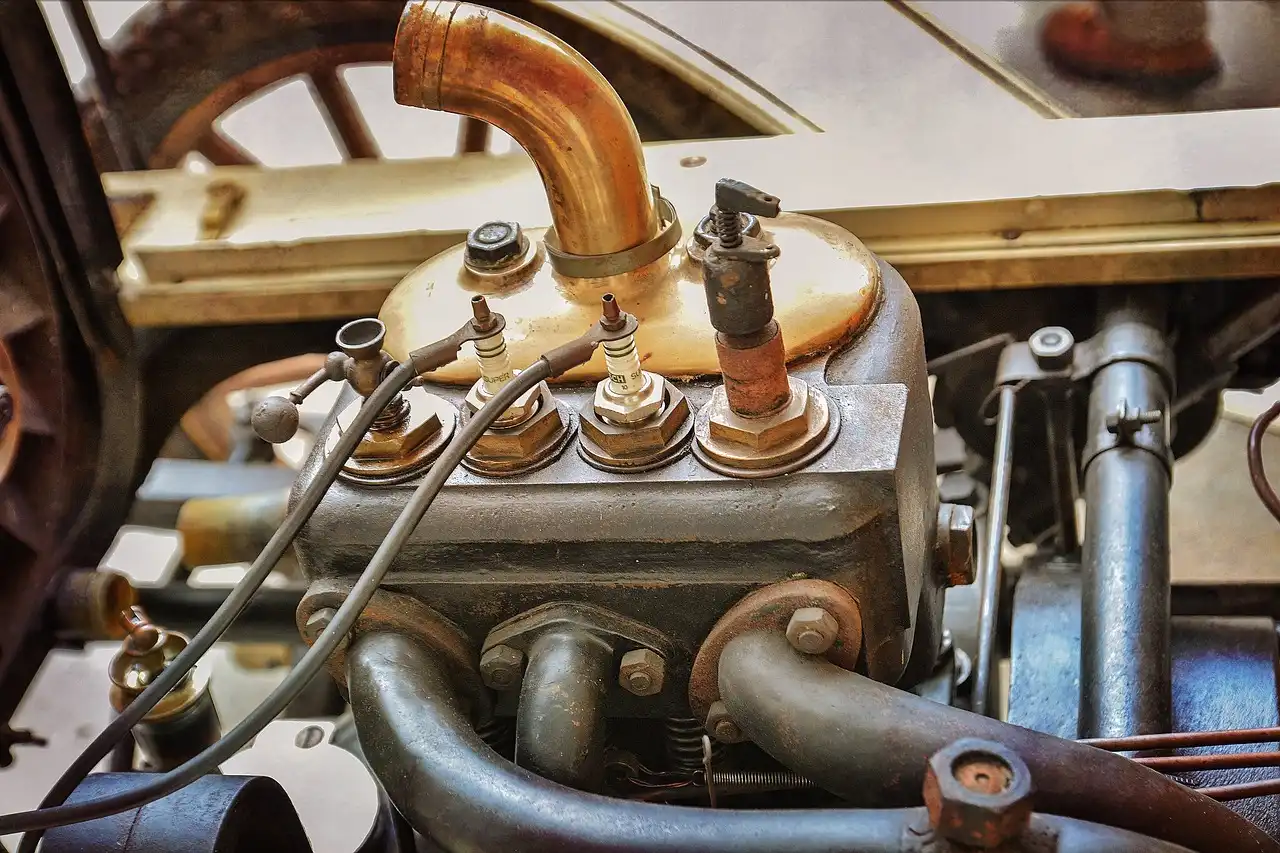
Yes, this is still the first thing to verify. A loose plug, wrong torque, damaged insulator, wrong plug type, or gap that does not match engine spec can cause an immediate misfire. Start with the parts that were just touched, because the timing of the fault is a strong clue.
Hand-starting and torque specification
Plugs should be hand-started first so the threads do not cross. Then tighten to the factory torque spec. Overtightening can damage the plug, the threads, or the cylinder head, while under-tightening can leave the plug loose enough to leak compression and misfire. That is especially important on aluminum heads.
- Remove the coil or wire and inspect the plug top for carbon tracking, cracks, or damage.
- Back the plug out and confirm it was threaded in smoothly by hand.
- Check that the washer seated and the plug is tightened to the correct spec.
- Inspect the boot or wire for full engagement on the plug terminal.
- Clear the misfire code and recheck the same cylinder.
Wrong plug part number or cracked insulator
The wrong plug part number can misfire even when it fits the threads. Heat range, reach, and electrode design have to match the engine’s specification. A cracked insulator can also leak spark to ground and mimic a bad coil. If the plug looks wrong or damaged, replace it rather than trying to force a diagnosis around it.
Checking the plug gap against engine spec
Can incorrect spark plug gap cause a misfire? Yes. Gap mismatch can cause weak or inconsistent spark, and that can show up at idle, under load, or during acceleration. A gap that is too wide can demand more coil voltage than the ignition system can supply. A gap that is too tight can change combustion quality and leave the burn less stable.
Check the gap against the engine spec, not a generic number from another engine family. New plugs are not always pre-gapped for your exact application. That small difference matters.
Could a coil or boot be the problem?
Yes. A coil or boot fault can appear right after plug service, especially on coil-on-plug engines. If the misfire started the moment the plugs went in, a boot that is not fully seated, a damaged boot, or a weak coil is high on the list. A plug change can expose a weak ignition part that was already near failure.
Coil-on-plug engines and seated connectors
On coil-on-plug engines, the coil boot has to sit squarely on the plug terminal and the electrical connector has to latch fully. A partial connection can create a weak spark or an intermittent miss. Check for a broken latch, bent terminal, or coil that was left slightly raised.
A common first-timer mistake is fitting the coil over the plug and assuming it is seated because the bolt tightened. The bolt can be snug while the boot still sits high.
Boot pop-off, heat damage, and oil contamination
Can a loose spark plug cause misfire? Yes, and so can a spark plug boot that pops loose. Heat damage, split rubber, and oil contamination can all keep the boot from transferring spark cleanly. Oil on the boot may soften rubber and make the connection unreliable, especially in a hot plug well.
Inspect the boot for swelling, tears, hardening, or carbon tracking. If the rubber is damaged, replacement is often the practical fix. Reusing a tired boot can leave you with the same cylinder misfire a day later.
Simple swap test by cylinder
If the design allows it, move the coil and boot from the misfiring cylinder to another cylinder with the same layout. If the misfire follows the coil, you have narrowed it down. If it stays on the original cylinder, the coil is less likely to be the root cause, and the plug, well, or engine condition moves up the list.
Can oil on the plugs cause a misfire?
Yes. Will oil on spark plugs cause misfire? It can, and the path matters. Oil in the plug well, oil on the plug tip, and oil burning inside the cylinder are three different problems. They can all hurt ignition, but they do not point to the same repair.
Wet plug wells versus oil-fouled plug tips
Wet oil in the plug well usually comes from outside the combustion chamber, while oil on the firing tip means the oil has reached the part of the plug that makes spark. Wet oil on spark plugs can cause poor performance and misfires. If the well is wet but the tip is relatively clean, the boot may be slipping in oil rather than the cylinder burning oil.
If the tip is oily and crusted, combustion contamination is more likely. That difference tells you whether the fix is outside the engine or inside it.
Valve cover gasket leaks and tube seals
Valve cover gasket failure is described as the most common culprit for oil in plug wells. Spark plug tube seals can fail too. Either leak lets oil collect around the plug and boot, which can soften the boot and weaken spark transfer. A stuck PCV valve can force oil past seals and onto plugs as well.
Look at the plug tube first. If the well is full of oil but the cylinder does not smoke, the leak may be external to the chamber.
When oil burning inside the engine is the real issue
If the plug tip is oily and the cylinder keeps misfiring after a clean plug and dry well, the engine may be burning oil internally. Worn valve guides, valve seal problems, or piston ring wear can all contaminate the combustion chamber. That points to compression and sealing checks, not more plug swaps.
Suppose cylinder 2 has a clean plug well but the new plug still comes out wet and dark after a short drive. That pattern fits oil entering the chamber, not a simple installation error.
What if it still misfires after the plug swap?
If the misfire remains after you recheck plug fit, gap, coil seating, and boot condition, move beyond ignition. The next suspects are fuel-air mixture faults, vacuum leaks, and engine compression. The page notes that misfire after changing plugs may come from air intake or fuel engine mistakes, and those secondary causes matter when ignition checks come back clean.
Fuel-air mixture faults and vacuum leaks
A lean or rich fuel-air mixture can cause unstable combustion even with new plugs. Vacuum leaks can lean out one cylinder or the whole engine, especially at idle. If the misfire is worse at idle but eases with throttle, a vacuum leak or intake leak deserves attention before you replace more ignition parts.
Check intake hoses, PCV plumbing, and vacuum lines for splits or loose fittings. If the fuel trims are far off or the engine surges, the spark plug is probably not the main fault.
Compression test basics
Engine compression tells you whether the cylinder can seal and build pressure for combustion. A compression test can point to a valve that does not seal, a worn ring set, or a head sealing problem. If one cylinder is much lower than the others, a new plug will not cure the misfire for long.
Valve sealing and piston ring wear
Valve sealing problems and piston ring wear both reduce compression and weaken combustion. That can create a miss that looks electrical at first because the engine shakes and the check engine light comes on. If the same cylinder keeps misfiring after a verified plug and coil check, mechanical sealing has to be ruled out.
When should you stop driving?
Stop driving if the check engine light is flashing, the misfire is severe, or the engine is shaking hard enough to lose power. A flashing check engine light signals a serious misfire risk, and raw fuel can overheat the catalytic converter. Short trips may be enough to cause more damage.
Rough idle, hesitation during acceleration, and a big loss of power are not just comfort issues. They can mean the engine is sending unburned fuel into the exhaust. If the car stalls, bucks hard, or refuses to pull cleanly under load, a tow is safer than another drive.
When a drive is not the right call
If the misfire is constant and the engine feels rough enough to vibrate the cabin, avoid extended driving. If the light flashes, shut it down after reaching a safe place and get the fault scanned. A misfiring engine can move from an ignition problem to a converter problem quickly.
Frequently asked questions
Can spark plugs cause misfire?
Yes. New or bad spark plugs can cause misfires if the plug is the wrong type, the gap is wrong, the insulator is cracked, or the plug was not installed correctly. A misfire can show up as rough idle, hesitation, reduced power, or a check engine light.
Do bad spark plugs cause misfire?
Yes. Bad spark plugs can cause rough idle by disrupting ignition, and they can also stall the engine in severe cases. Worn electrodes, fouling, and heat damage all weaken spark consistency. That is why plug condition matters even when the engine still runs.
Can a loose spark plug cause misfire?
Yes. A loose plug can leak compression, weaken ignition, and create an immediate misfire after service. It can also leave a plug only partly seated in the head, which makes the spark event unstable. Recheck hand-starting and torque spec first if the misfire began right after replacement.
Will changing spark plugs fix misfire?
Sometimes, but not always. Changing spark plugs fixes a misfire only when worn plugs, fouling, or the wrong gap are the cause. If the misfire remains after replacement, look next at the coil, boot, connector, vacuum leaks, fuel delivery, and compression.
Will oil on spark plugs cause misfire?
Yes. Oil on spark plugs can cause poor performance and misfires because it interferes with spark and combustion. Oil in the plug well points more toward a valve cover gasket or tube seal leak, while oil on the firing tip can point to oil burning inside the cylinder.
What if the engine still misfires after replacing spark plugs and coils?
Then the fault is more likely fuel-air mixture, vacuum, or compression related. Check for intake leaks, fuel delivery problems, and cylinder sealing issues before replacing more ignition parts. A cylinder-specific code that stays on the same hole is especially useful for narrowing the next test.

Hi, I’m Melvin, an automobile engineer with extensive experience in automobile equipment. I currently work for a local automobile firm, where I specialize in the car parts industry. I’ve had the opportunity to collaborate with seasoned inspectors, gaining invaluable hands-on experience that goes beyond just theory.
My passion for automotive care started at a young age, which led me to create CarSpareCare. Through CarSpareCare, I share the knowledge and skills I’ve acquired over the years to help others navigate the world of car maintenance and repairs.
My goal is to provide practical tutorials, essential safety advice, and the latest industry insights so that anyone—whether a beginner or an expert—can confidently tackle their automotive projects.