
Start with the checks that change the diagnosis fastest: fluid, leaks, voltage, and warning lights. Then sort the system type, hydraulic, EHPS, or EPS, so you do not chase pumps, racks, motors, or modules that are not at fault. Intermittent assist can turn a small fault into heavy steering fast, and that makes a wrong-parts swap expensive. This guide gives a no-tools-to-light-tools path to diagnose intermittent power steering assist before you replace anything.
This guide is part of our Power steering and brake problems series.
Why steering assist cuts in and out


Intermittent assist usually means the fault changes with load, temperature, voltage, or steering movement. That pattern matters. Hydraulic systems often fail when fluid, pump, hose, or rack wear changes under heat, while EPS and EHPS faults often show up as warning lights, low voltage behavior, or a motor shutdown that comes and goes.
Intermittent faults are hard to pin down because the steering can work normally during a quick driveway check, then fail at parking speeds, after a long drive, or right after a bump. Symptom pattern comes before parts guessing.
Check the system type first
Hydraulic power steering uses an engine-driven pump, a reservoir, hoses, and a rack. Electric power steering uses an electric motor instead of a pump, and it has no fluid, hoses, or leaks. Electro-hydraulic systems combine electric and hydraulic components, so they can fail in both mechanical and electrical ways.
If you do not know the system type, look for the clues that matter. A reservoir, fluid lines, and visible steering fluid can point to hydraulic or EHPS. A warning light with no reservoir can point more strongly to EPS. That first split keeps the rest of the diagnosis on the right path.
What symptom pattern do you have?
Match the failure to when it happens. Cold-start-only loss is commonly reported to point to stiff fluid, a weak pump, or a suction-side air issue. Hot-only loss is commonly reported to point to heat-related seal wear, a hose seep, or an electrical component that drops out when warm. Bump-related cutouts lean toward wiring, connectors, or an angle sensor issue. Low-voltage behavior points straight to battery or charging trouble.
Power steering symptom decision table
| Symptom pattern | Likely system | Quick check | Next test |
|---|---|---|---|
| Cold-start-only heavy steering with a whine or groan | Hydraulic or EHPS | Check fluid level and look for foaming or dark fluid | Inspect pump noise, belt drive, and suction-side air entry |
| Hot-only assist loss after a long drive | Hydraulic, EHPS, or EPS | Look for seepage, warning lights, or a change after heat soak | Check hose, rack, and electrical fault codes |
| Assist drops out after a bump or rough road | EPS or EHPS | Wiggle-test visible harnesses and watch the dash | Scan for codes and inspect connectors, grounds, and steering sensor data |
| Low-speed steering gets heavy and a warning light appears | EPS or EHPS | Measure battery voltage and charging output | Check stored codes before replacing the motor or rack |
| Heavy wheel with no noise | EPS, HPS pump, or rack fault | Look for warning lights, fluid level, and recent voltage problems | Separate electrical faults from hydraulic pressure loss |
| Whine, leak, and foamy fluid together | Hydraulic or EHPS | Inspect reservoir, hose fittings, and pump seals | Search for air intrusion and pressure-side leaks |
What should you check first?
Start with the checks that change the diagnosis fastest: fluid, leaks, voltage, and warning lights. Those four items separate hydraulic from electric faults before you spend money on parts. If the vehicle has EPS, skip fluid checks and go straight to battery, charging, and codes.
- Identify whether the system is hydraulic, EHPS, or EPS.
- Check the fluid level only on systems that use fluid.
- Inspect for leaks under the front of the vehicle and in the engine bay.
- Look for warning lights on the dash.
- Check battery voltage and charging output if the system uses EPS or EHPS.
- Read stored codes before replacing a rack, pump, motor, or module.
Fluid level, color, and smell
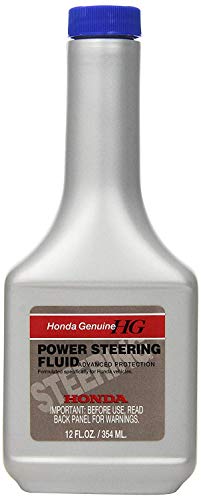
On hydraulic and EHPS systems, low fluid is the first thing to rule out. Fluid should not be dark brown or black, which points to heat degradation and overdue service. Foaming or milky fluid suggests aeration or air intrusion. Burned smell, if present, is another sign the system has been running hot.
Power steering fluid can also cause on-and-off assist if the level is low enough to uncover the pickup during turns, stops, or parking maneuvers. That can create a pattern that feels random but is really tied to fluid movement in the reservoir.
Leaks at hoses, fittings, pump, and rack
A visible reddish or amber puddle under the front can point to a leaking hose, rack seal, or pump seal. A high-pressure hose or line can crack or seep at the fittings, especially in a hot engine bay, and that leak is often mistaken for a bad pump. Rack seal leaks can also show up as damp boots or a repeating drip after parking.
Suppose the steering gets heavy only after a highway drive, and you find a fresh amber spot under the front bumper after shutdown. That pattern fits a heat-related hydraulic leak better than a dead pump, because hot seals can open up when the system is under load.
Battery voltage and charging output
Low battery voltage can trigger EPS heavy steering, and it matters a lot on Audi and VW EPS systems. A weak battery, loose terminals, bad ground, or charging problem can make assist cut out and then return later. Before condemning the steering motor or rack, verify that the electrical supply is stable.
A simple pass-fail check can be enough for triage: engine off voltage should be near full charge, and engine running voltage should rise above resting battery voltage. If the voltage drops badly during cranking, or the charging system does not recover it, treat that as a power supply fault first.
Warning lights and stored codes
A warning light with heavy steering usually points to an EPS fault or a voltage drop, not a hydraulic leak by itself. EHPS can also log electrical faults even though it still uses hydraulic pressure. That is why a scan tool or code reader is needed before replacing an EPS motor, an EHPS pump unit, or a steering rack assembly.
If the warning light appears after a bump, during a turn, or only after the engine bay gets hot, the code path matters more than the visible symptom. A stored code can point to power supply, motor control, torque sensor, or communication faults that a fluid check will not reveal.
How to separate pump, hose, rack, and electrical faults
The sound, feel, and leak pattern usually separate the main failure points. A noisy hydraulic system often whines or groans when turning, and it is usually worse cold. A heavy wheel with no noise can point to EPS motor, sensor, or HPS pump failure. Clunking or a notchy feel points more toward a rack, tie rods, or intermediate shaft than a pump.
Whine, groan, or foam points
Whine or groan under steering load usually means the pump is struggling, the fluid is aerated, or the system has low level. Foaming supports air entry, not just wear. If the noise is strongest at full lock or during parking, the pump may be showing its weak spot under maximum load.
Seal leaks and hot-engine-bay seepage
Heat can open a small leak enough to make the system fail only after driving. That is why hose fittings, rack seals, and pump seals matter most when the symptom shows up hot. A seep that leaves only a damp line cold can become a real leak once pressure and temperature climb.
Rack wear, notchy steering, and wandering
What warning signs mean the steering rack is failing? Notchy steering, clunking on turn-in, and wandering on straight roads are common clues. Internal rack wear can also create assist loss if seal wear or internal bypass reduces pressure. That sort of fault can feel like a steering problem and a suspension problem at the same time.
When a scan tool changes the diagnosis
Once you see a warning light, a code reader becomes part of the first-line diagnosis, not an extra step. That is especially true on EHPS and EPS, where the system can shut down assist while the hydraulic hardware still looks intact. The code often tells you whether the fault is power supply, sensor, motor, or communication related.
A common first-timer mistake is replacing a rack because the wheel feels heavy, then finding out the battery voltage was low the whole time. On EPS, the motor may be fine and the real failure is supply voltage or a stored sensor code.
When is it unsafe to keep driving?
Stop driving if the assist is cutting in and out and the steering becomes very heavy, especially at parking speeds or in tight turns. A growing fluid puddle is also a stop-driving sign. The risk is not only component damage; it is the sudden loss of steering help in a spot where you need precise control.
If the problem is a large hydraulic leak, repeated warning lights with heavy steering, or assist that drops out during low-speed maneuvers, call for help before the next drive. Do not keep testing it around the block if the steering effort is changing from turn to turn.
What should you do before the next drive?
Park the vehicle, check for a fresh leak, and confirm whether the steering is hydraulic, EHPS, or EPS. If the car has a warning light, read the codes. If the wheel is heavy at idle, or the assist has failed more than once, do not assume it will hold together on the next trip.
Frequently asked questions
Why does my power steering assist come and go?
Intermittent assist usually means the fault changes with temperature, voltage, road shock, or steering load. Hydraulic systems often react to low fluid, aeration, or a weak pump. EPS and EHPS often react to low voltage, a sensor fault, or a module issue that shuts assist off and then lets it return.
Is intermittent power steering assist dangerous to drive with?
It can be. If the steering only gets heavy at speed changes or parking speeds, the car may still move, but it is not a safe thing to ignore. If assist drops out suddenly, or the wheel turns very hard, stop driving and sort the fault before the next trip.
How do I tell if the problem is low fluid, a pump, or an EPS fault?
Low fluid, foaming, dark fluid, and a whine or groan point toward hydraulic trouble. A heavy wheel with no fluid system may point to EPS. A warning light and heavy steering often point to EPS or voltage drop, so read codes and check power supply before replacing steering parts.
Can low battery voltage cause power steering assist to cut out?
Yes. Low voltage can trigger EPS heavy steering, and charging problems can make assist drop in and out. That is why battery and charging checks come before a motor or rack replacement on many EPS systems. If the voltage is unstable, fix that first.
What warning signs mean the steering rack is failing?
Clunking, notchy steering, and wandering are commonly reported rack-related signs. A rack can also leak, which may show up as a reddish or amber puddle under the front. If the steering feels rough and the leak is getting worse, the rack deserves close attention before any pump replacement.
Can a bad hose or leak make power steering work only sometimes?
Yes. A hose or fitting can seep enough to cause low level, air entry, or pressure loss only under heat and load. That means assist may be normal cold, then weak hot. High-pressure hose leaks are easy to blame on the pump, so inspect the line and fittings carefully.

Hi, I’m Melvin, an automobile engineer with extensive experience in automobile equipment. I currently work for a local automobile firm, where I specialize in the car parts industry. I’ve had the opportunity to collaborate with seasoned inspectors, gaining invaluable hands-on experience that goes beyond just theory.
My passion for automotive care started at a young age, which led me to create CarSpareCare. Through CarSpareCare, I share the knowledge and skills I’ve acquired over the years to help others navigate the world of car maintenance and repairs.
My goal is to provide practical tutorials, essential safety advice, and the latest industry insights so that anyone—whether a beginner or an expert—can confidently tackle their automotive projects.

